Lower Insulin Levels

While it may not be the first thing that comes to mind when you think of weight loss, 16:8 Intermittent Fasting can also help to improve your body’s insulin sensitivity. Insulin is a hormone that helps regulate blood sugar levels, and when you eat or fasting frequently affects how much fat your body stores.
Studies have found that intermittent fasting can reduce insulin levels by 20-30 percent and lower triglyceride levels by as much as 50 percent. This is beneficial for weight loss because it helps the body burn fat more efficiently, allowing you to see results faster and maintain a healthy weight in the long term.
Potential Downsides Of Intermittent Fasting

While there are many potential benefits of the 16:8 diet, there are also some drawbacks that you should be aware of before starting. The following are some potential downsides of intermittent fasting:
Hunger
One of the biggest challenges of the 16:8 diet is hunger. Fasting for 16 hours can be difficult, especially if you’re used to frequently eating throughout the day. You may feel hungry and irritable during fasting, making it challenging to stick to the diet.
Low Energy
Another drawback of the 16:8 diet is low energy. When you’re fasting for 16 hours, your body is in a state of deprivation, leaving you tired and sluggish. This can be especially difficult for people who are used to having three meals and snacks throughout the day. You may need to adjust your schedule and activities to accommodate the lack of energy during the fasting period.
Not Suitable For Everyone
Intermittent fasting may not be suitable for everyone. For example, people with medical conditions like diabetes, low blood sugar, or anemia should not attempt intermittent fasting without the guidance of a doctor. Pregnant and breastfeeding women should also avoid fasting, as it can be dangerous for their health and their baby’s health.
How To Start 16:8 Intermittent Fasting

Starting intermittent fasting can be intimidating, but with a little preparation, it’s possible to make the transition smooth. Here are some tips you can use to get started with 16:8 intermittent fasting:
Choose Your Eating Window
The first step in starting the 16:8 diet is to choose your eating window. This should be a period of 8 hours during which you’ll consume all of your food for the day. Choosing a window that works well with your schedule is essential, as you’ll need to stick to it consistently to see results.
Prepare Your Meals
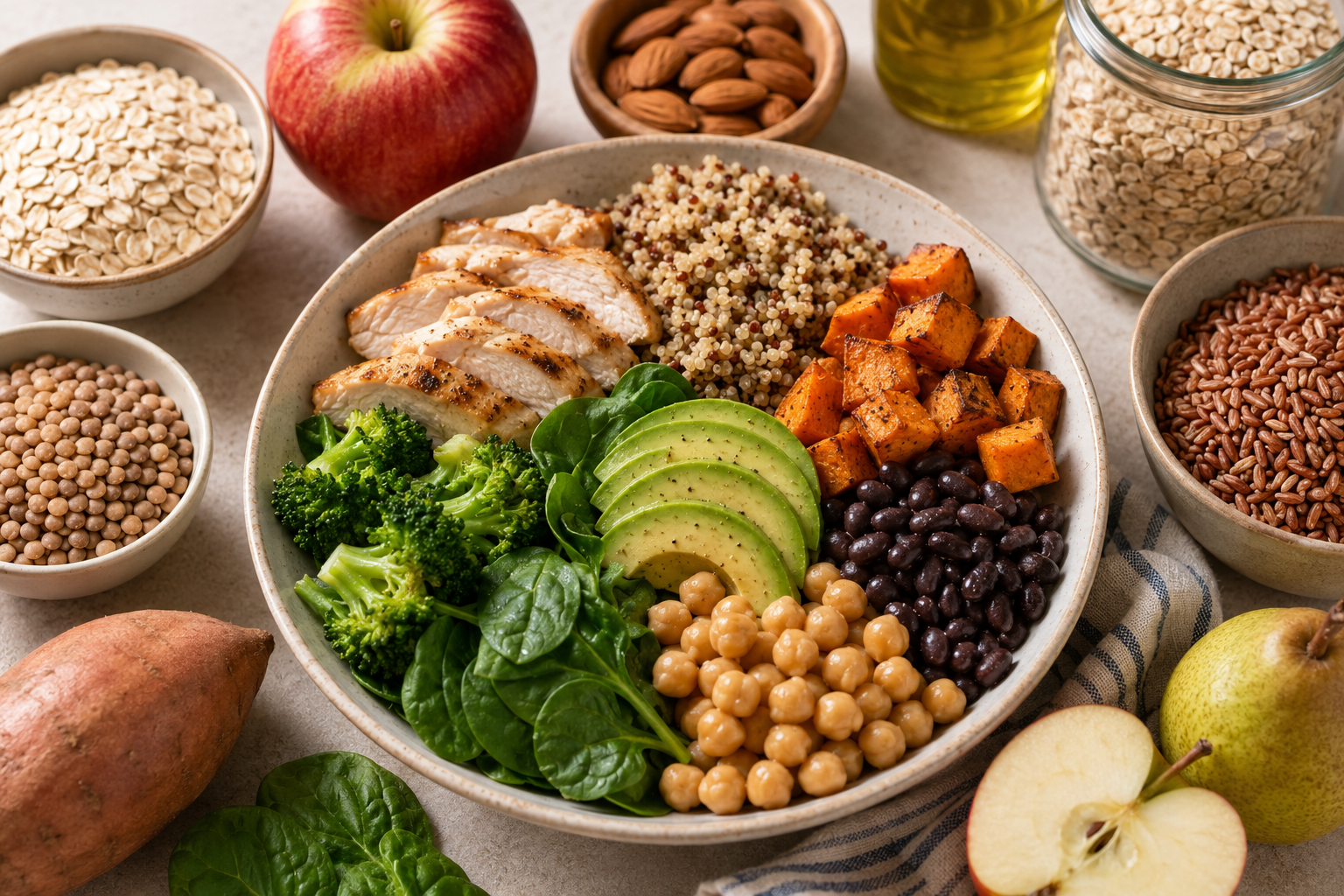
Preparing your meals in advance is important when starting the 16:8 diet. You’ll need to plan your meals and snacks to make the most of your 8-hour eating window. Try to choose nutritious, whole foods that will keep you full and satisfied during fasting.
Stay Hydrated
When following the 16:8 diet, it is essential to stay hydrated. You can drink water and other non-caloric beverages like black coffee during your fasting period – make sure you consume plenty of these throughout the day! Doing so will help decrease hunger pangs, avoid headaches and fatigue, and get you one step closer to achieving your goals.
Start Slow
Finally, it’s essential to start slow when beginning the 16:8 diet. Don’t jump in immediately with an 8-hour eating window – instead, try starting with a 12-hour fast and gradually shorten your fasting period over time until you reach 8 hours. This will help ensure you don’t become overwhelmed or give up on a diet too soon.
See Results By Using 16:8 Intermittent Fasting For Weight Loss!
For anyone attempting 16:8 intermittent fasting for weight loss, it’s important to be prepared. However, by following these tips and making gradual, consistent changes to your lifestyle, you can successfully incorporate this diet into your life and start seeing results. With the right approach, 16:8, intermittent fasting can be a powerful tool for achieving sustainable weight loss goals. But as with starting any new diet, it’s crucial to speak to your doctor before beginning.