Knee pain is a problem that creeps up on many people without warning, often caused by small, everyday habits that go unnoticed. The knee is one of the most hardworking joints in the body, supporting weight, absorbing shock, and enabling movement. When unhealthy routines are repeated over time, they slowly wear down the cartilage and weaken the muscles around the knee, leading to discomfort and even long-term damage. While genetics and aging contribute to knee problems, lifestyle choices play a much bigger role than most people realize. Understanding the habits that harm your knees can help you make simple changes that keep your joints healthy and pain-free.
Sitting for Long Periods Without Movement

Sitting for hours at a time may seem harmless, but it can have serious consequences for knee health. When you remain in one position for too long, circulation slows, and the muscles that support your knees weaken. This lack of movement makes the joints stiff, reducing flexibility and increasing the risk of pain when you finally stand up. Over time, a sedentary lifestyle contributes to muscle atrophy, poor posture, and unnecessary strain on the knees.
In addition to weakening muscles, prolonged sitting often leads to weight gain, which further increases stress on the knee joints. The added pressure forces the cartilage to wear down faster, making the knees more prone to arthritis and injuries. To counteract this, it’s important to stand up, stretch, or take short walks throughout the day. Even small movements can improve circulation, strengthen muscles, and keep your knees functioning properly.
Wearing the Wrong Shoes

The type of shoes you wear has a direct impact on your knee health, yet many people overlook this connection. Shoes that lack proper support, such as high heels or flat sandals, force the body into unnatural positions, putting extra strain on the knees. Poor arch support leads to an uneven gait, misalignment of the joints, and increased wear on knee cartilage. Over time, this can cause chronic pain and even long-term joint damage.
Walking on hard surfaces with unsupportive footwear only makes the problem worse, as the impact travels up the legs and places more pressure on the knees. Choosing shoes with cushioned soles and good arch support can help distribute weight evenly and reduce joint strain. Orthopedic inserts or custom insoles can also improve posture and alleviate knee stress. Prioritizing supportive footwear is a simple way to prevent unnecessary damage and keep your knees strong.
Carrying Excess Weight
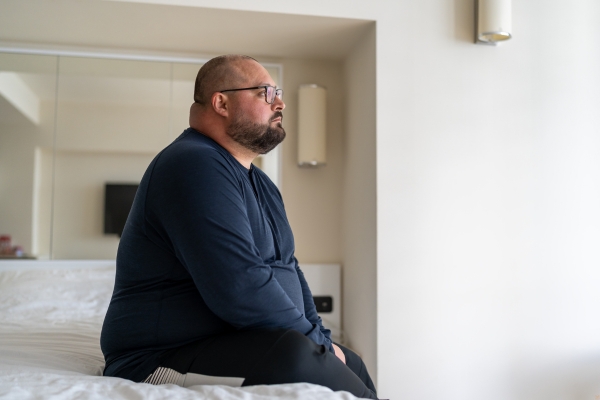
Extra weight puts significant pressure on your knee joints, making them work harder with every step you take. Studies have shown that every additional pound of body weight adds roughly four pounds of force to the knees, accelerating cartilage breakdown. Over time, this leads to inflammation, pain, and an increased risk of developing conditions like osteoarthritis. Losing even a small amount of weight can significantly reduce stress on the knees and slow the progression of joint damage.
Excess weight also contributes to systemic inflammation, which weakens the structures supporting the knee. This inflammation can cause swelling, stiffness, and long-term discomfort, making it harder to stay active. A balanced diet and regular low-impact exercise, such as swimming or cycling, can help reduce weight while strengthening the muscles around the knees. Taking steps to maintain a healthy weight not only protects your knees but also improves overall mobility and quality of life.