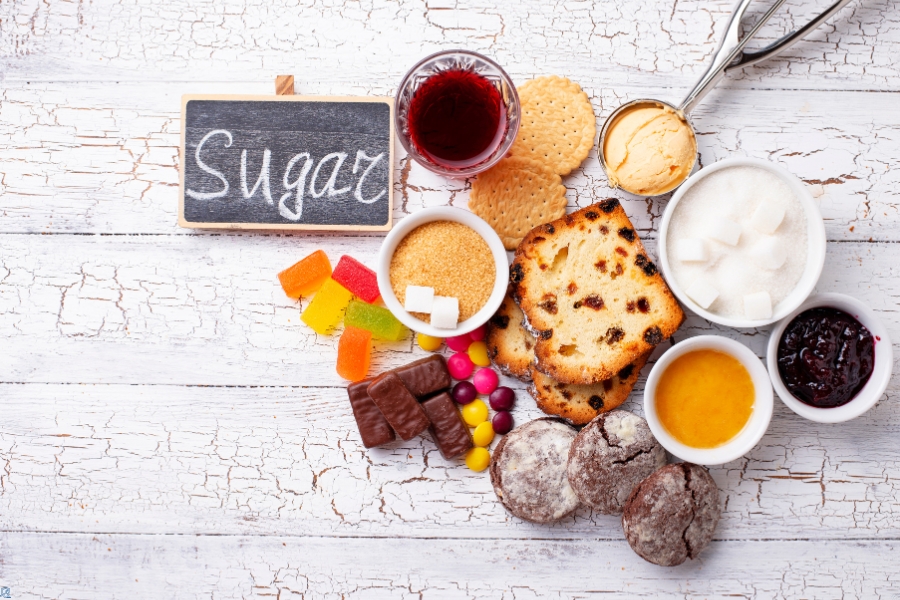
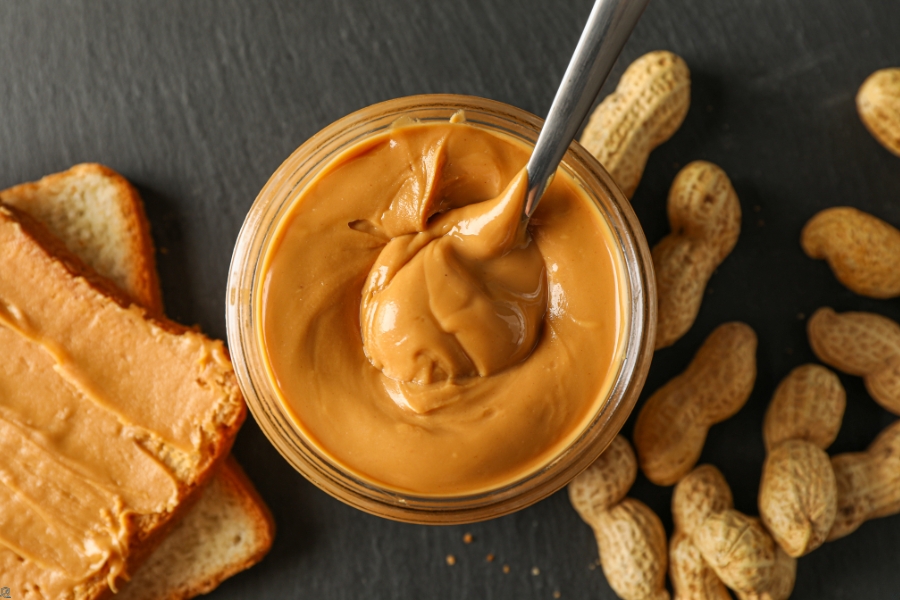
High blood pressure often develops quietly, without any obvious warning signs. It can be influenced by stress, genetics, and, most importantly, the foods you eat every day. Many people unknowingly consume ingredients that contribute to rising blood pressure, even in meals that seem healthy at first glance. Some of the biggest culprits are everyday items found in pantries and grocery store shelves. These foods are often loaded with hidden sodium or preservatives that gradually take a toll on your heart and arteries. Knowing which items to limit and what to replace them with can make a real difference. Making better choices does not mean sacrificing flavor or convenience. It starts with awareness and a few simple swaps.
Canned Soups
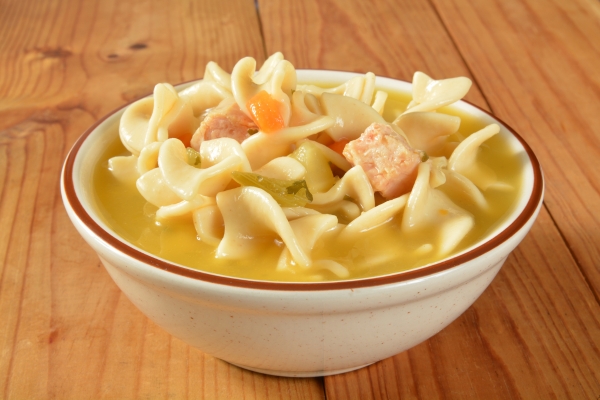
Canned soups are often thought of as a wholesome, easy meal, but many contain extremely high levels of sodium. A single serving may already include more than half of the recommended daily salt intake, and most people eat more than just one serving. Salt is used to enhance flavor and preserve the product, making it shelf-stable for months. While this seems convenient, the health tradeoff is rarely worth it.
Excessive sodium causes the body to retain water, which puts additional strain on your blood vessels. Over time, this leads to increased pressure and forces your heart to work harder. Even “low-sodium” options can still contain more salt than you realize, especially when paired with salty sides like crackers or bread. To protect your blood pressure, it is better to look for alternatives that give you control over the ingredients.
Deli Meats and Cold Cuts

Sliced deli meats might seem like a lean and easy protein source, but they are often loaded with sodium and preservatives. Just a few slices of ham or turkey can add hundreds of milligrams of salt to your meal. These meats are cured or processed with sodium nitrate, which is used to enhance shelf life and appearance. However, those added chemicals can affect your blood vessel function and overall cardiovascular health.
Many people build their lunches around sandwiches without realizing the salt in the meat, cheese, and condiments quickly adds up. Even meats labeled as low-fat are not necessarily heart-friendly due to their sodium content. Over time, daily consumption of cold cuts can gradually push blood pressure higher. Choosing fresh-cooked or grilled meats at home gives you much more control over what goes into your body.
Pickles and Fermented Vegetables
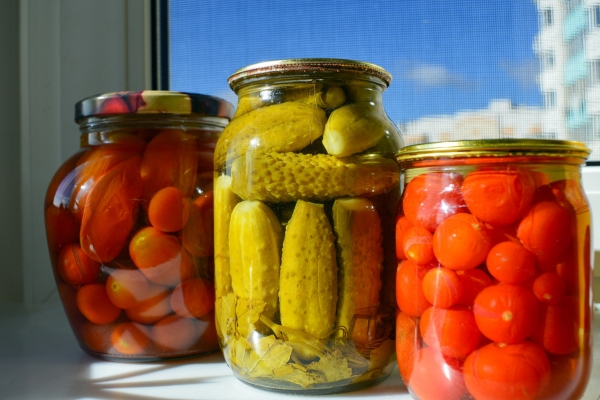
Pickled foods may offer a tangy crunch and are often marketed as healthy, especially for gut health. Despite these claims, the brining process typically relies on large amounts of salt to preserve and flavor the vegetables. A few pickle spears or forkfuls of sauerkraut can contain as much sodium as an entire meal should. For anyone trying to lower blood pressure, these small servings can quickly become a big problem.
Even homemade pickles are not always a better option since many recipes still call for a generous amount of salt. People often snack on pickled items, thinking they are a guilt-free treat, but frequent intake can silently affect heart health. Swapping out high-sodium pickles for fresh, crunchy vegetables can still satisfy cravings. Pair them with flavorful dips or seasonings that do not rely on added salt to make healthier choices feel just as enjoyable.