Sweet potatoes, often mistakenly called yams, are a delicious staple food and a powerhouse of nutrition. Originating in the Americas, the sweet potato has become a global culinary favorite, known for their sweet taste and versatility in various dishes. Packed with a plethora of vitamins, minerals, and antioxidants, sweet potatoes offer more than just a satisfying meal. They are crucial in promoting overall health, from enhancing vision to boosting brain function. This article delves into sweet potatoes’ seven key health benefits, shedding light on why they are a valuable addition to any diet.
Contents
Rich in Vitamins and Minerals

Sweet potatoes are a nutritional treasure trove, particularly rich in vitamins A, C, and B6. Vitamin A, essential for maintaining healthy vision, skin, and immune function, is abundant in these tubers. In one medium sweet potato, there is more than a full day’s worth of vitamin A, primarily in the form of beta-carotene, which gives them their orange hue. Vitamin C, known for its immune-boosting properties, and vitamin B6, crucial for brain health and metabolism, are also significantly present in sweet potatoes.
Beyond these vitamins, sweet potatoes are a good source of essential minerals like manganese, which plays a role in metabolism, bone development, and wound healing. Potassium, another mineral in sweet potatoes, is vital for maintaining electrolyte balance, muscle contractions, and heart health. Including sweet potatoes in one’s diet ensures a supply of these key nutrients, contributing to overall well-being.
High in Antioxidants
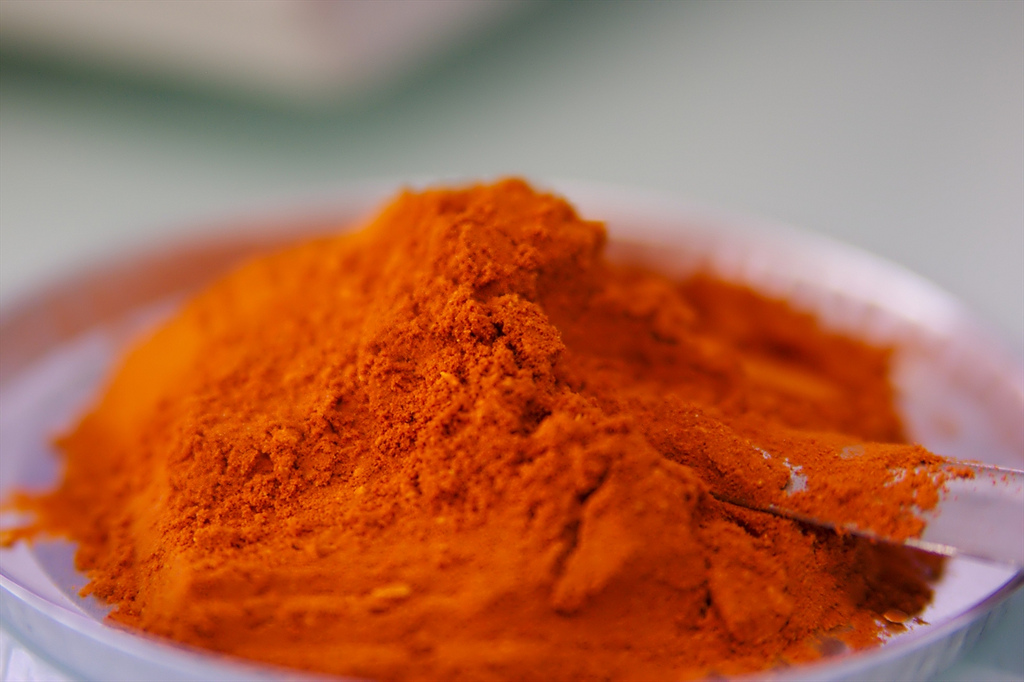
Antioxidants are crucial for combating oxidative stress and reducing the risk of chronic diseases, and sweet potatoes are loaded with them. The predominant antioxidant in sweet potatoes is beta-carotene, which is responsible for their vibrant orange color. Beta-carotene is converted into vitamin A, providing all the associated benefits. These antioxidants are particularly effective in neutralizing free radicals, molecules that can damage cells and contribute to aging and diseases like cancer and heart disease.
In addition to beta-carotene, sweet potatoes contain other antioxidants, including anthocyanins in the purple varieties. These compounds have been shown to have anti-inflammatory, anti-viral, and anti-microbial properties. Regular consumption of sweet potatoes, particularly the brightly colored varieties, can bolster the body’s defenses against various health issues, emphasizing their role in a health-conscious diet.
Promotes Gut Health

Dietary fiber is essential for good gut health, and sweet potatoes are a great source. The fiber in sweet potatoes is mostly soluble in the form of pectin, which aids digestion and promotes a feeling of fullness. This can lead to reduced calorie intake and aid in weight management. The fiber also feeds the beneficial gut bacteria, crucial for maintaining a healthy gut microbiome. A well-functioning gut is linked to improved immune function and reduced risk of chronic diseases.
Moreover, the antioxidants in sweet potatoes, like beta-carotene and vitamin C, contribute to gut health by reducing inflammation in the digestive tract. This can be particularly beneficial for individuals with inflammatory bowel diseases. Regular consumption of sweet potatoes can thus play a vital role in maintaining gut health, underlining their importance in a balanced diet.
May Improve Brain Function

Sweet potatoes may also have benefits for brain health. They contain compounds that have been shown to positively impact brain function. Studies suggest that the antioxidants in sweet potatoes, particularly anthocyanins in the purple varieties, can help reduce inflammation and oxidative stress in the brain. This can lead to improved cognitive function, memory and a reduced risk of neurodegenerative diseases.
Furthermore, the high levels of vitamin B6 in sweet potatoes are essential for brain development and maintaining healthy brain function. Vitamin B6 aids in producing neurotransmitters crucial for communication between brain cells. Regularly including sweet potatoes in the diet could contribute to enhanced brain function and protection against cognitive decline.
Supports Healthy Vision

Sweet potatoes are a boon for eye health, primarily due to their high content of vitamin A. Vitamin A is essential for maintaining healthy vision, and its deficiency can lead to serious eye problems, including night blindness and even total vision loss. The beta-carotene in sweet potatoes is converted into vitamin A in the body, directly contributing to eye health.
Additionally, the antioxidants in sweet potatoes, such as beta-carotene and vitamin E, protect the eyes from oxidative stress, which can damage the eyes’ delicate tissues. This protective action can help prevent age-related macular degeneration, a common cause of blindness in older adults. Regular consumption of sweet potatoes thus plays a critical role in preserving vision and preventing eye diseases.
Aids in Weight Management

Incorporating sweet potatoes into a weight management plan can be highly effective. Their high fiber content contributes to a feeling of fullness,
which can help reduce overall calorie intake by curbing hunger pangs. This makes sweet potatoes an excellent food choice for those looking to control their weight. The fiber also helps with slow digestion, gradually releasing energy, preventing spikes in blood sugar levels, and keeping one satiated for longer periods.
Moreover, sweet potatoes are naturally low in calories yet nutrient-dense, making them a fulfilling addition to any diet without the calorie overload. Their natural sweetness also satisfies sugar cravings, reducing the likelihood of reaching for unhealthy snacks. Including sweet potatoes in a balanced diet can thus be a strategic move for those aiming for weight loss or maintenance, providing essential nutrients without excess calories.
May Help Manage Blood Sugar Levels

Sweet potatoes have a low glycemic index (GI), which means they cause a slower rise in blood sugar levels compared to other high-carb foods. This attribute makes them suitable for individuals with diabetes or those trying to manage their blood sugar levels. The fiber in sweet potatoes helps slow down the absorption of sugar into the bloodstream, providing a more stable energy release and preventing blood sugar spikes.
In addition, studies have suggested that the type of starch in sweet potatoes may positively affect insulin sensitivity, which can help regulate blood sugar levels. However, consuming them in moderation and as part of a balanced diet is important to reap these benefits effectively. Sweet potatoes can be a valuable dietary component for those looking to control their blood sugar levels while enjoying a flavorful and nutritious food option.
Boosts Immune Function

Sweet potatoes’ rich array of nutrients, particularly vitamins A and C, play a significant role in boosting the immune system. Vitamin A is essential for a healthy immune response, and its deficiency can lead to impaired immunity. Sweet potatoes’ high vitamin A levels ensure the body’s defenses against infections and diseases are well supported.
Vitamin C, another powerful antioxidant found in sweet potatoes, aids in producing white blood cells, which are crucial for fighting infections. The combined effect of these vitamins, along with the other nutrients in sweet potatoes, contributes to a stronger immune system, making them a beneficial food for overall health and well-being.
Incorporate Sweet Potatoes Into Your Diet!
In conclusion, sweet potatoes are a tasty and versatile culinary ingredient and a nutritional powerhouse offering numerous health benefits. These vibrant tubers contribute significantly to overall health, from supporting vision and brain function to aiding in weight management and blood sugar control. Their rich content of vitamins, minerals, and antioxidants makes them a valuable addition to any diet. By incorporating sweet potatoes into regular meals, one can enjoy their delightful taste and reap their wide array of health benefits. Whether baked, roasted, or mashed, sweet potatoes are a delicious way to enhance one’s diet and well-being.