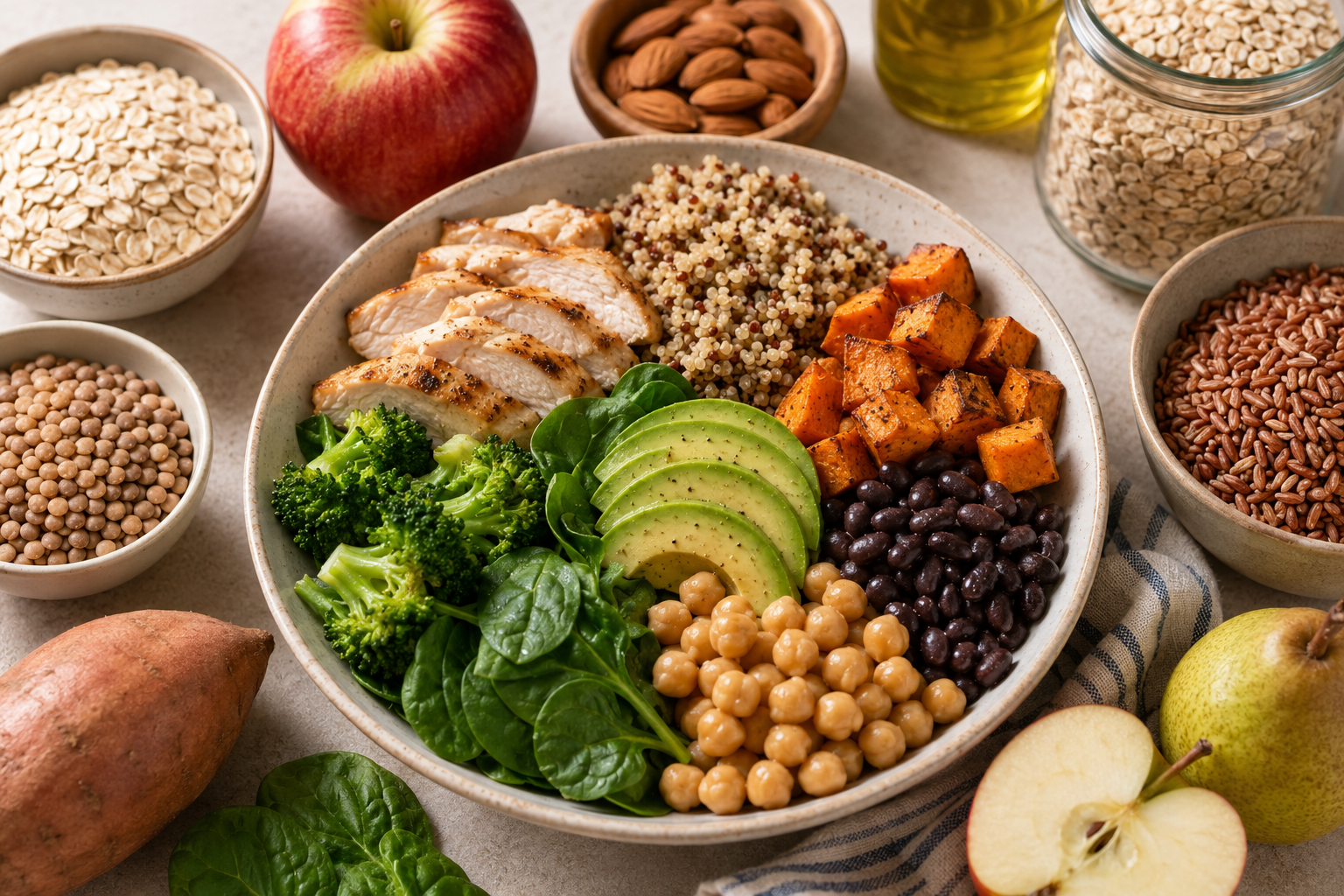
The South Beach Plan

The South Beach Diet, formulated by a cardiologist, is a lower-carb diet emphasizing lean proteins, unsaturated fats, and low-glycemic-index carbs. It is designed in three phases; the first is the strictest.
A typical day on the South Beach Diet starts with a lean protein breakfast, such as smoked salmon or turkey bacon with whole eggs. Lunch might include a salad with lean protein like chicken or fish and a light vinaigrette. Grilled fish or poultry with a side of non-starchy vegetables can be consumed for dinner. In the later phases, whole grains and fruits are gradually reintroduced. This diet is potentially beneficial for losing weight, reducing the risk of heart disease, and improving gut health. However, the restrictive initial phase might be challenging for some people.
The Dukan Plan
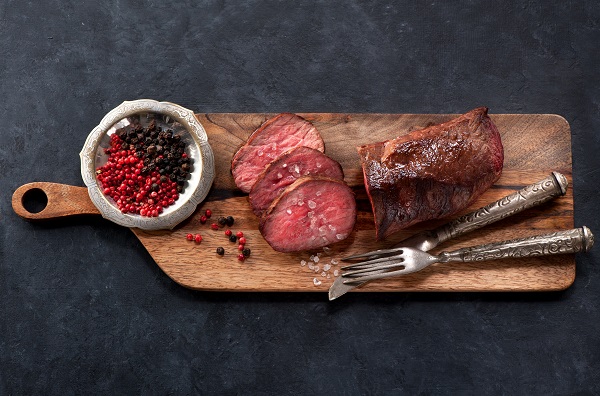
The Dukan diet is a high-protein, low-carb, low-fat diet divided into four phases: two for losing weight and two for maintaining it. Each phase has its own rules about which foods can be eaten.
On the Dukan diet, you might begin your day with oat bran pancakes. Lunch could be a fillet of white fish with non-fat yogurt, and dinner may consist of lean roast beef. The plan’s later stages also allow for adding fruits and whole grains. The Dukan diet can aid in rapid weight loss and helps avoid hunger; however, it can be highly restrictive and lacks flexibility, making it hard to maintain long-term.
The Whole30 Plan

Whole30 is a 30-day clean-eating plan designed to revamp your eating habits by cutting out foods that might be having a negative impact on your health. This includes sugar, grains, dairy, and legumes.
A typical day on the Whole30 might include a breakfast scramble with vegetables and lean protein like chicken or fish. Lunch could be a salad with plenty of leafy greens, a source of protein, and homemade dressing. A stir-fry with plenty of vegetables and a lean protein source cooked in coconut oil might be on the menu for dinner. Whole30 is highly restrictive but is seen as a reset rather than a long-term meal plan. It can help identify potential food sensitivities and jump-start healthier eating habits.
The Low-Glycemic Plan

The low-glycemic diet focuses on the glycemic index, a scale that rates foods by how much they raise blood glucose levels. It prioritizes carbohydrates that have a low glycemic index.
A typical day on this plan might begin with a breakfast of steel-cut oats with berries and a handful of nuts. Lunch could be lentil soup with whole-grain bread, while dinner might be grilled chicken with quinoa and vegetables. Snacks can include fruits, yogurt, or a handful of nuts. The low-glycemic diet may benefit weight loss and manage diabetes and heart disease.
The Bottom Line
Embarking on a low-carb journey involves much more than just cutting out bread and pasta. It requires thoughtful planning and understanding of how different foods can influence our bodies’ reactions. The seven low-carb meal plans discussed in this article – Ketogenic, Paleo, Atkins, South Beach, Dukan, Whole30, and the Low-Glycemic Plan – offer unique paths to improved health through lower carbohydrate intake. However, it’s essential to remember that everyone’s body responds differently, and what works for one might not work for another. It is always advisable to consult with a healthcare professional before starting any new dietary plan to ensure it aligns with one’s health needs and lifestyle. Here’s to embarking on a journey toward better health through informed dietary choices!