Mood Swings and Mental Health Issues

Nutrient deficiencies can profoundly impact mental health, including causing or exacerbating mood swings and depressive symptoms. Omega-3 fatty acids, magnesium, and vitamins B12 and D are particularly important for emotional regulation and brain health. A lack of these nutrients can negatively affect mental well-being.
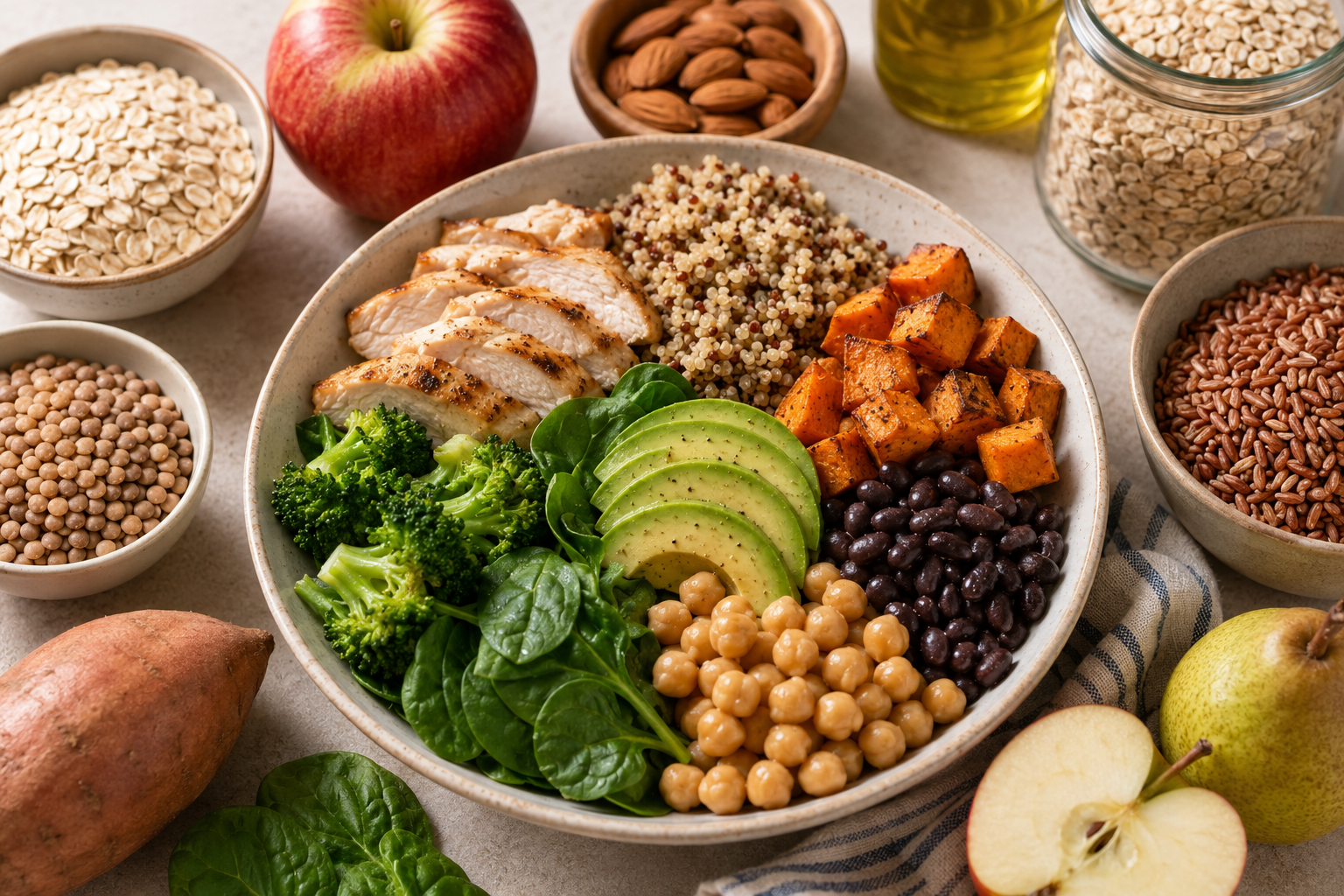
Incorporating fatty fish like salmon, flaxseeds, and walnuts into your diet can increase your omega-3 fatty acids intake, which is crucial for brain function. Magnesium-rich foods such as leafy greens, nuts, and whole grains can help stabilize mood while ensuring enough vitamin D and B12 through diet or supplements can also support mental health. If mood swings persist, it might be wise to speak with a health professional.
Digestive Problems

Common digestive issues like bloating, constipation, or diarrhea can often indicate poor nutrient absorption or inadequate fiber intake. Fiber, along with sufficient water intake and nutrients like magnesium, plays a vital role in digestive health. Not getting enough of these can lead to uncomfortable and often embarrassing symptoms.
To keep your digestive system running smoothly, focus on a fiber-rich diet with plenty of whole grains, vegetables, and fruits. Additionally, foods like spinach, yogurt, and bananas are great for providing the magnesium and other nutrients needed to support the digestive process. Drinking plenty of water is also essential for fiber to function properly and prevent constipation.
Weakened Immune Function
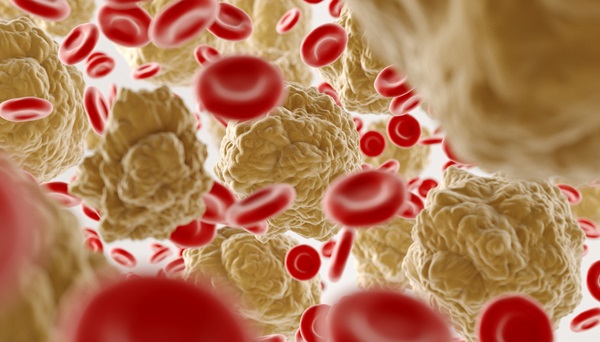
A robust immune system relies heavily on nutrients like vitamins A, C, and D and minerals like zinc. If you find yourself catching colds or infections more frequently, it might be a sign that your diet lacks these essential nutrients, weakening your immune defenses.
To boost your immune system, ensure your meals include a variety of fruits and vegetables, which are rich in vitamins and antioxidants. Citrus fruits, red bell peppers, garlic, and ginger are particularly effective at bolstering your body’s defense mechanism against illnesses. Additionally, a daily intake of zinc from sources like seeds, nuts, and whole grains can further enhance your immune response.
Increased Bruising and Bleeding Gums

Frequent bruising and bleeding gums can indicate deficiencies in vitamins C and K, crucial for the health of your blood vessels and gums. A lack of these vitamins can make you more susceptible to bleeding and bruising, often more than usual.
To combat these symptoms, incorporate plenty of vitamin C-rich foods like oranges, strawberries, and kiwis into your diet. Green leafy vegetables like kale and spinach are excellent for vitamin K. Ensuring a balanced intake of these vitamins helps reduce bruising and supports overall vascular and oral health.
Take Charge of Your Health Today
Recognizing and addressing nutrient deficiencies is crucial for maintaining optimal health. Understanding the signs and making dietary adjustments can effectively combat these deficiencies and enhance your overall well-being. Consider this article a starting point for a deeper exploration into your health needs. Remember, consulting with a healthcare provider can provide tailored advice and support, helping you to achieve and maintain your health goals.