Zumba, a dynamic blend of dance and fitness, has revolutionized the way people approach exercise. Originating in the 1990s, it combines Latin rhythms with cardiovascular exercise to create an enjoyable, effective workout. Zumba is not just about losing weight or improving fitness; it’s a celebration of health, community, and the joy of movement. This guide delves into everything you need to know about taking a Zumba class, from the basics to the benefits. Whether you’re a beginner or a seasoned enthusiast, this comprehensive guide will enhance your Zumba experience.
The Essence of Zumba
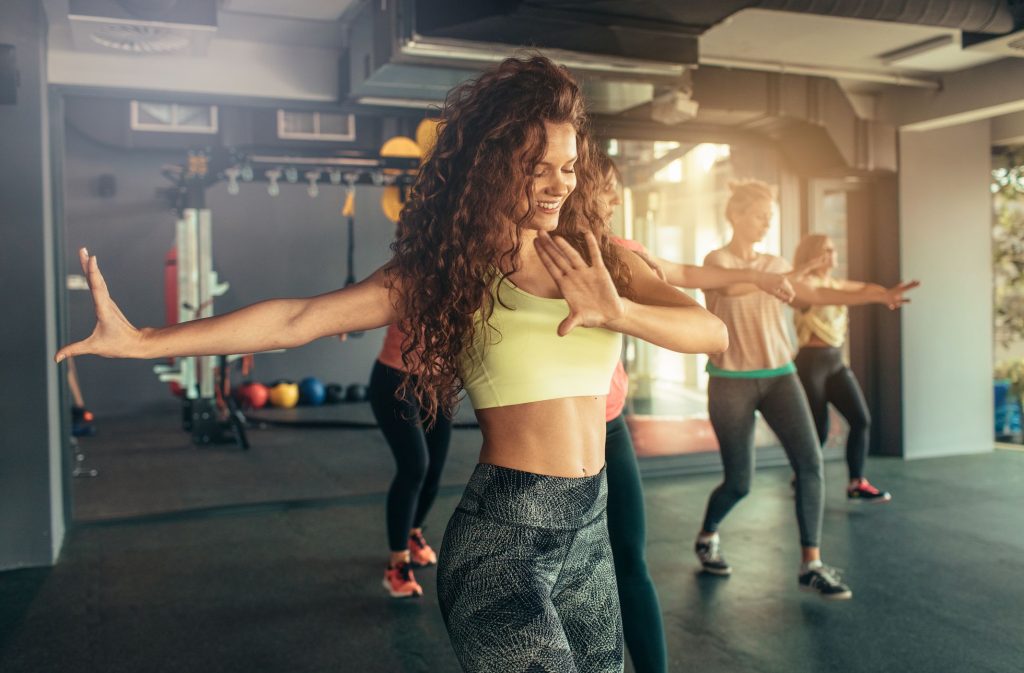
Zumba’s inception can be traced back to the 1990s when Colombian dancer and choreographer Alberto “Beto” Perez inadvertently created this fitness phenomenon. It started as a fusion of Latin dance moves and aerobics, quickly gaining popularity worldwide. Zumba is characterized by its high-energy, party-like atmosphere, making exercise feel like a dance celebration. The routines incorporate interval training, alternating between fast and slow rhythms, which helps improve cardiovascular health.
Each Zumba class offers a unique experience, but they all share a core of Latin-inspired dance moves. Styles like salsa, merengue, reggaeton, and samba are commonly featured, providing a diverse and culturally rich experience. Over the years, Zumba has evolved to include various forms, such as Zumba Toning, which emphasizes muscle conditioning, and Aqua Zumba, a water-based version. These variations cater to different preferences and fitness goals, making Zumba accessible to a wider audience.
Preparing for Your First Zumba Class
Attending your first Zumba class can be exhilarating. It’s a vibrant mix of music, dance, and exercise, set in a friendly and welcoming environment. Most classes last about an hour and are led by certified Zumba instructors. The key is to let loose and enjoy the music; don’t worry too much about getting every step perfect. Zumba is about having fun and getting a great workout, not about flawless dance moves.
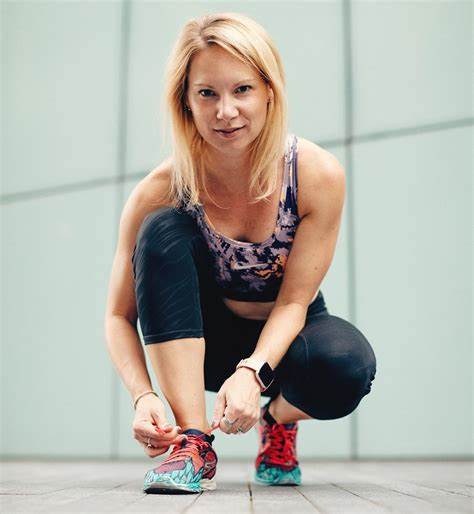
Before you step into a Zumba class, having the right gear is essential. Comfortable, breathable clothing and supportive sneakers are essential. You’ll be moving a lot, so shoes with good cushioning and lateral support are recommended. Also, bring a water bottle and a towel – Zumba is an intense workout, and you’ll likely work up a sweat. For beginners, it’s advisable to arrive a few minutes early to talk to the instructor and position yourself where you can easily follow along.
The Zumba Experience

A typical Zumba class begins with a warm-up to get your body moving and heart rate up. This is followed by a series of dance routines set to upbeat music, which forms the core of the class. The instructor leads the class through various dance moves, often shouting out encouragement and instructions. The energy in the room is contagious, and even if you’re new to dance, you’ll find yourself moving to the rhythm in no time.
The role of music in Zumba cannot be overstated. It’s the heartbeat of every class, with rhythms ranging from salsa to hip-hop. This variety not only keeps the classes exciting but also challenges different muscle groups and improves coordination. Instructors play a crucial role in creating an engaging atmosphere. They are not just fitness coaches but also entertainers, often personalizing routines to suit the class’s vibe and energy level.
Health and Fitness Benefits of Zumba
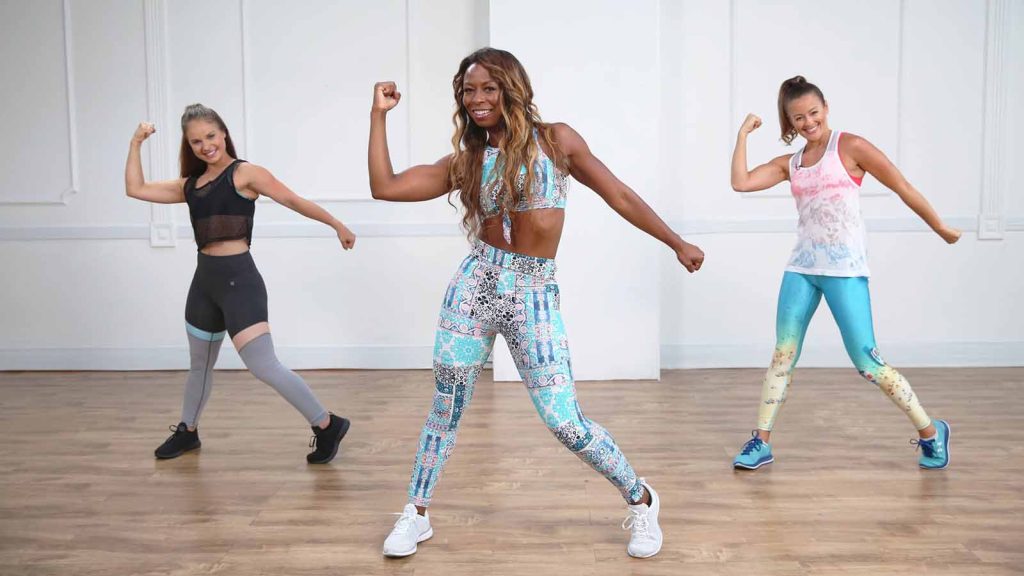
Zumba offers a full-body workout, combining cardio and muscle conditioning. Regular participation can lead to significant improvements in cardiovascular health, aiding in weight loss and increased stamina. The dance moves target different muscle groups, helping tone the body while burning calories. Many participants see improvements in their overall fitness levels, including enhanced flexibility and strength.
Beyond physical health, Zumba has substantial mental and emotional benefits. It’s a powerful stress reliever, with the upbeat music and group setting creating a natural high that can elevate mood and combat anxiety. The social aspect of Zumba shouldn’t be underestimated either. Classes often foster a sense of community, making it a great way to meet new people and build friendships. The inclusive nature of Zumba makes it a welcoming space for everyone, regardless of age or fitness level.