Skip to content

7 Foods That Quietly Raise Your Blood Pressure—And What to Eat Instead

High blood pressure often develops quietly, without any obvious warning signs. It can be influenced by stress, genetics, and, most importantly, the foods you eat every day. Many people unknowingly consume ingredients that contribute to rising blood pressure, even in meals that seem healthy at first glance. Some of the biggest culprits are everyday items found in pantries and grocery store shelves. These foods are often loaded with hidden sodium or preservatives that gradually take a toll on your heart and arteries. Knowing which items to limit and what to replace them with can make a real difference. Making better choices does not mean sacrificing flavor or convenience. It starts with awareness and a few simple swaps.

Canned Soups
7 Foods That Quietly Raise Your Blood Pressure

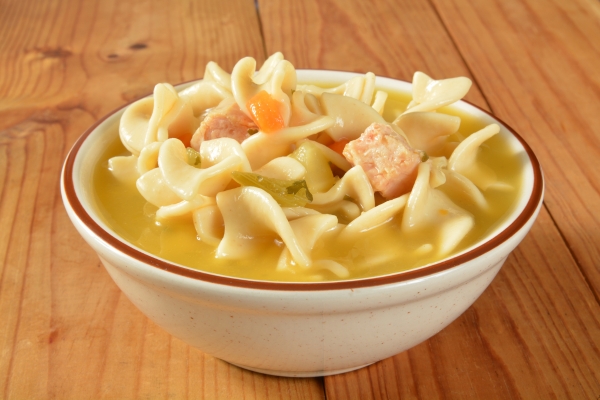
Canned soups are often thought of as a wholesome, easy meal, but many contain extremely high levels of sodium. A single serving may already include more than half of the recommended daily salt intake, and most people eat more than just one serving. Salt is used to enhance flavor and preserve the product, making it shelf-stable for months. While this seems convenient, the health tradeoff is rarely worth it.

Excessive sodium causes the body to retain water, which puts additional strain on your blood vessels. Over time, this leads to increased pressure and forces your heart to work harder. Even “low-sodium” options can still contain more salt than you realize, especially when paired with salty sides like crackers or bread. To protect your blood pressure, it is better to look for alternatives that give you control over the ingredients.

Deli Meats and Cold Cuts

7 Foods That Quietly Raise Your Blood Pressure

Sliced deli meats might seem like a lean and easy protein source, but they are often loaded with sodium and preservatives. Just a few slices of ham or turkey can add hundreds of milligrams of salt to your meal. These meats are cured or processed with sodium nitrate, which is used to enhance shelf life and appearance. However, those added chemicals can affect your blood vessel function and overall cardiovascular health.

Many people build their lunches around sandwiches without realizing the salt in the meat, cheese, and condiments quickly adds up. Even meats labeled as low-fat are not necessarily heart-friendly due to their sodium content. Over time, daily consumption of cold cuts can gradually push blood pressure higher. Choosing fresh-cooked or grilled meats at home gives you much more control over what goes into your body.

Pickles and Fermented Vegetables
7 Foods That Quietly Raise Your Blood Pressure

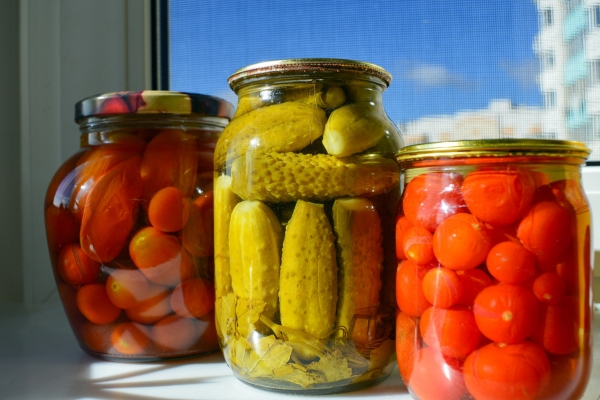
Pickled foods may offer a tangy crunch and are often marketed as healthy, especially for gut health. Despite these claims, the brining process typically relies on large amounts of salt to preserve and flavor the vegetables. A few pickle spears or forkfuls of sauerkraut can contain as much sodium as an entire meal should. For anyone trying to lower blood pressure, these small servings can quickly become a big problem.

Even homemade pickles are not always a better option since many recipes still call for a generous amount of salt. People often snack on pickled items, thinking they are a guilt-free treat, but frequent intake can silently affect heart health. Swapping out high-sodium pickles for fresh, crunchy vegetables can still satisfy cravings. Pair them with flavorful dips or seasonings that do not rely on added salt to make healthier choices feel just as enjoyable.
Bread and Baked Goods

7 Foods That Quietly Raise Your Blood Pressure

Bread is a staple in many households, but it is also one of the top sources of hidden sodium in the average diet. Even though it does not taste salty, bread contains salt for texture, flavor, and preservation. Whole wheat, multigrain, and even gluten-free varieties can still contribute significantly to your sodium intake. Since bread is often eaten multiple times a day, the sodium can quietly accumulate.

Packaged baked goods like bagels, muffins, and sandwich rolls often contain even more salt than standard bread. When combined with salty spreads, meats, or cheeses, the total sodium content of a single meal can become concerning. For those watching their blood pressure, switching to lower-sodium bread options or reducing portion sizes can help. Simple changes, such as eating open-faced sandwiches or using lettuce wraps, can still deliver satisfying meals with much less salt.

Bottled Salad Dressings and Sauces

7 Foods That Quietly Raise Your Blood Pressure

Salads are often viewed as a heart-healthy choice, but the bottled dressings that go on top can tell a different story. Many store-bought dressings contain high levels of sodium, even in small servings. A couple of tablespoons can add hundreds of milligrams of salt, especially in varieties like ranch, Italian, or Caesar. Even when used sparingly, these additions can significantly raise your daily sodium intake.

The same concern applies to condiments such as soy sauce, teriyaki sauce, barbecue sauce, and ketchup. These products are used to flavor meals but often rely heavily on salt to enhance taste. “Light” or “fat-free” versions may have less fat, but they often contain just as much, if not more, sodium to compensate. Choosing homemade dressings made from olive oil, lemon juice, herbs, or plain Greek yogurt gives you more control and better support for healthy blood pressure.

Frozen Meals and Snack Foods

7 Foods That Quietly Raise Your Blood Pressure

Frozen meals may offer convenience for busy days, but many of them are packed with sodium to preserve freshness and improve taste. Meals like frozen pasta dishes, pizzas, and even “healthy” labeled options often contain more than half of your recommended daily sodium in a single serving. Since the portion sizes are usually small, people often eat more than one, further increasing their salt intake. This creates a hidden danger for those trying to maintain healthy blood pressure.

Snack foods such as chips, crackers, and frozen appetizers are just as problematic. They are engineered to be highly palatable, which often means heavy use of salt, artificial flavor enhancers, and preservatives. Even snacks marketed as “baked” or “reduced-fat” can still deliver a large sodium punch. Swapping these out for air-popped popcorn, unsalted nuts, or roasted chickpeas offers a crunchy alternative without the added pressure on your heart.

Cheese

7 Foods That Quietly Raise Your Blood Pressure

Cheese is a favorite in many households, adding rich flavor and creamy texture to a variety of meals. However, many types of cheese, especially aged ones like cheddar, gouda, and parmesan, are high in sodium. Salt is used in the cheese-making process to control moisture, enhance flavor, and act as a preservative. As a result, even small servings can quietly raise your daily sodium intake.

Cheese is often consumed with other salty foods such as crackers, deli meats, or sauces, compounding the issue. People also tend to add more than a single serving to meals, especially in pasta dishes, sandwiches, or pizzas. Reducing portion sizes or choosing lower-sodium varieties like fresh mozzarella or ricotta can help keep your intake in check. For a flavorful alternative, try avocado, hummus, or nutritional yeast to add richness without the added salt.

A Healthier Heart Starts in the Kitchen

Changing your diet to support healthier blood pressure does not require giving up your favorite meals altogether. By paying attention to what goes into everyday foods and making thoughtful swaps, you can take control of your heart health without feeling restricted. Many of these changes are simple and cost-effective, yet they can lead to long-lasting benefits. With small adjustments and greater awareness, you can enjoy flavorful, satisfying meals while protecting your body from the hidden effects of excess sodium.