
Alcohol’s Impact on Exercise Performance
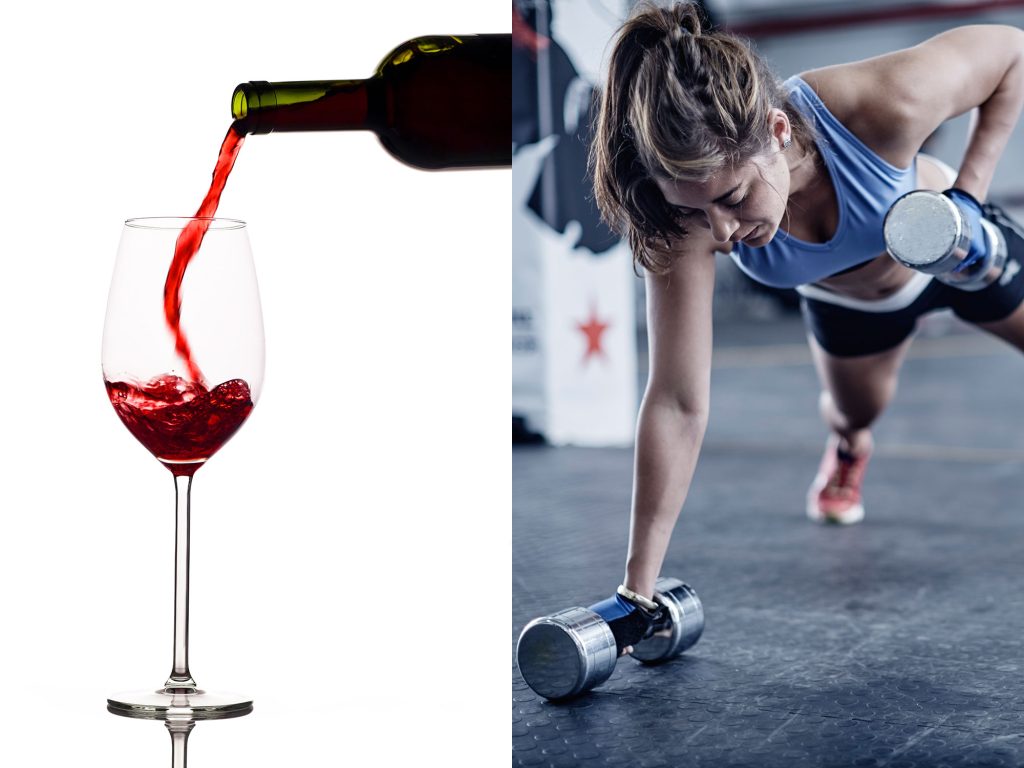
The acute effects of alcohol on physical performance can be quite noticeable. Even moderate consumption can lead to dehydration, reduced muscle blood flow, and an overall decline in athletic capabilities. Alcohol’s diuretic properties contribute to fluid loss, which can not only affect muscle contraction but also increase the risk of cramps and injuries during physical activity. Moreover, alcohol can impair motor skills, balance, and reaction time, all of which are essential for effective and safe exercise, especially when handling heavy weights or engaging in high-intensity workouts.
Alcohol’s depressive effects on the central nervous system can lead to lethargy and a decrease in mental focus, both critical aspects of successful training sessions. A decrease in coordination and cognitive function can lead to less effective workouts and increase the risk of accidents and injuries. For those dedicated to improving their strength and muscle mass, the implications are clear: alcohol can significantly hinder a workout’s immediate effectiveness and the long-term progression toward muscle growth goals.Alcohol and Protein Synthesis

Protein synthesis is the process by which the body repairs and rebuilds muscle fibers after they’ve been stressed by exercise. This mechanism is crucial for muscle growth and recovery. Alcohol, however, can be a significant disruptor of this process. Studies have indicated that alcohol can inhibit the pathways that lead to protein synthesis, thereby slowing muscle repair and growth. It’s a physiological double-edged sword; not only does alcohol contribute to muscle damage, but it also impairs the body’s ability to repair that damage. For individuals aiming for muscle hypertrophy, understanding the detrimental effects of alcohol on protein synthesis is critical.
Moreover, the timing of alcohol consumption in relation to exercise can exacerbate its negative impacts. Consuming alcohol soon after a workout, when muscles are in their most critical period of recovery, can be particularly damaging. During this window, the muscles are primed to absorb nutrients and repair the microscopic tears caused by lifting weights. Introducing alcohol into the system at this juncture can impede the influx of nutrients and the repair process, potentially negating the gains from a strenuous workout session.
Recovery Process and Alcohol
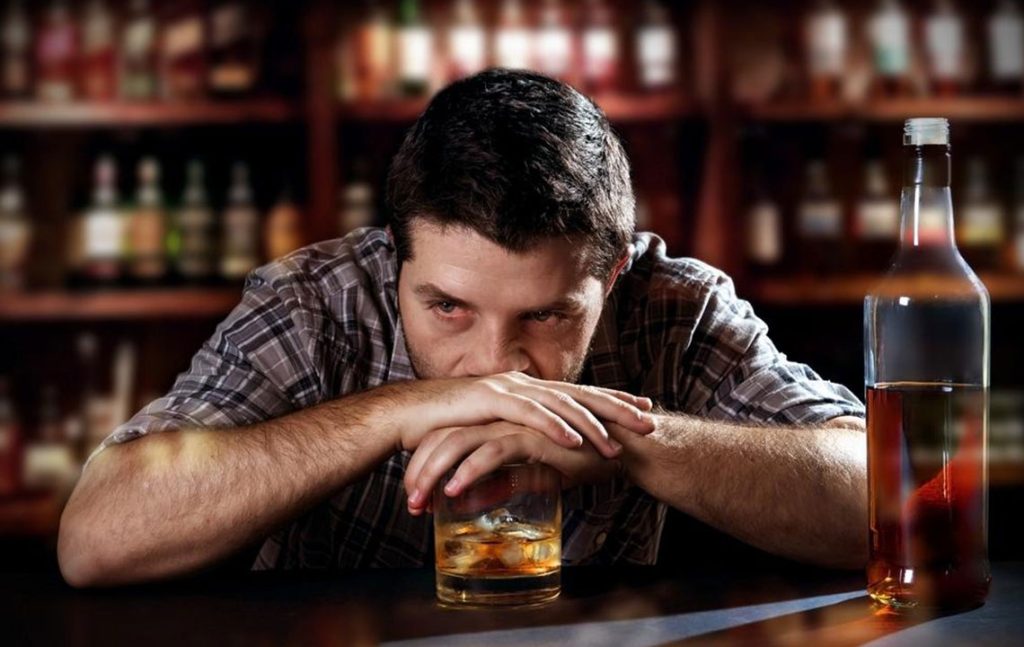
The recovery process is an integral part of any training regimen. It’s during this time that the body heals and strength increases. Alcohol can extend recovery time due to its effects on the body, such as reducing the quality of sleep and altering nutrient absorption, both of which are essential for recovery. For athletes and fitness enthusiasts, extended recovery times can disrupt t
raining schedules and delay progress. It’s not just about the time lost; it’s also the quality of the workouts that follow. Sub-par training sessions can accumulate, leading to stunted long-term progress.Additionally, alcohol’s contribution to dehydration can further complicate recovery. Muscles require adequate hydration to function optimally and to facilitate repair. Dehydration can lead to increased muscle soreness and prolonged recovery periods. This is compounded by the fact that alcohol can increase levels of cortisol, a stress hormone that can break down muscle tissue, further impeding the recovery process. For those seeking to maximize their muscle growth, understanding and mitigating the effects of alcohol on recovery is a pivotal component of their fitness strategy.
Balancing Social Life and Fitness Goals

While total abstinence from alcohol may not be a desirable or necessary goal for everyone, finding a balance between social drinking and fitness can be a nuanced challenge. It is possible to enjoy the occasional drink while progressing toward muscle growth, provided that consumption is moderate and strategically timed. The key is to plan for social events that may involve alcohol and to make informed choices about the type and quantity of alcohol consumed. Awareness of one’s own body and its response to alcohol can help in making decisions that minimize negative effects while still allowing for social enjoyment.
In terms of practical strategies, choosing lower-alcohol options and ensuring adequate hydration before and after consuming alcohol can help mitigate some of the negative impacts on muscle growth and recovery. It’s also important to consider the timing of social drinking in relation to workout schedules. Avoiding alcohol on days leading up to and immediately following intense workouts can help maintain the integrity of the muscle recovery process, allowing for more effective training sessions and better results over time.
The Bottom Line
Alcohol’s effect on muscle growth is an intricate issue that intertwines with various aspects of health and fitness. While occasional, moderate consumption may be incorporated into a healthy lifestyle, regular or heavy drinking poses considerable risks to muscle development, performance, and recovery. Fitness enthusiasts should consider these effects when deciding on their alcohol consumption, particularly their workout schedules and overall health goals. The journey towards peak physical condition is multifaceted, involving discipline in both the gym and lifestyle choices, with alcohol consumption being a significant factor that can influence the path to muscle growth and athletic performance.