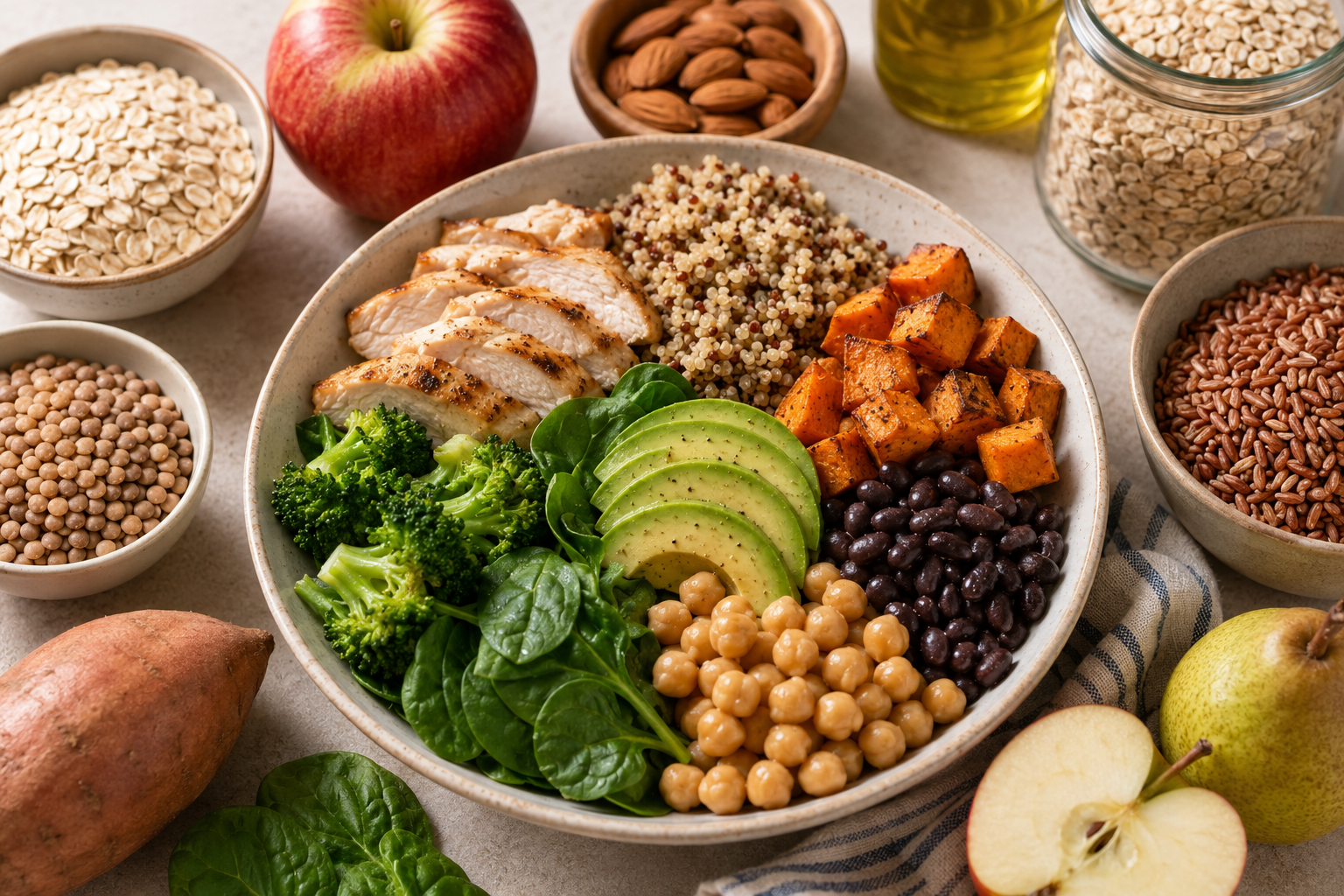
Boosts Digestive Health

Zucchini is a rich source of dietary fiber, which is beneficial for digestive health. This fiber aids in adding bulk to the stool, thus promoting regular bowel movements and preventing constipation. Regular consumption of zucchini can help maintain a smooth and healthy digestive process. Furthermore, the water content in zucchini assists in softening the stool, making it easier to pass and reducing the chances of constipation.
The role of zucchini in supporting a healthy gut microbiome is equally important. The fiber acts as a prebiotic, providing nourishment for beneficial gut bacteria. A healthy gut microbiome is linked to improved digestion, better immunity, and even enhanced mental health. Including zucchini in the diet can therefore not only aid in digestion but also contribute to overall well-being.
Enhances Eye Health

Zucchini is beneficial for eye health, particularly due to its high levels of carotenoids like lutein and zeaxanthin. These nutrients are essential in protecting the eyes from the harmful effects of light and oxidative stress. Regular intake of zucchini, rich in these carotenoids, can help reduce the risk of developing age-related eye diseases, such as macular degeneration. Additionally, these compounds aid in enhancing vision clarity and protecting the eyes from damage caused by blue light emitted from screens.
Incorporating zucchini into the diet can be a practical approach to eye health maintenance. The versatility of this vegetable allows for easy inclusion in various dishes, contributing to a diet that supports eye health. From simple grilled zucchini to elaborate casseroles, the options are numerous. This not only helps in maintaining good vision but also adds nutritional value to everyday meals.
Supports Blood Sugar Control

Zucchini is a low carbohydrate vegetable, making it a favorable choice for blood sugar control. Its low glycemic index means it has a minimal impact on blood sugar levels, an important factor for individuals with diabetes or those at risk. Additionally, the fiber in zucchini helps in slowing down the absorption of sugars into the bloodstream, providing a steady release of energy and preventing spikes in blood sugar levels.
For those managing diabetes or prediabetes, incorporating zucchini into meals can be highly beneficial. It can be used as a substitute for higher carbohydrate ingredients, like pasta, without compromising on taste or satisfaction. This adaptability makes zucchini a valuable component in a blood sugar-friendly diet, helping to manage diabetes symptoms and maintain overall health.
Culinary Versatility

Zucchini’s culinary versatility is one of its most appealing attributes. It can be prepared in various ways, from baking and grilling to being spiralized into noodles. This flexibility allows for creative and varied use in the kitchen, making it easy to include in daily meals. Zucchini can be incorporated into salads, soups, stir-fries, or even desserts, offering a nutritious and tasty addition to any dish.
For those looking to add more vegetables to their diet, zucchini is an excellent choice. Its mild flavor and adaptable texture make it suitable for a wide range of recipes, from savory to sweet. This versatility not only adds nutritional value to meals but also encourages experimentation and variety in cooking, making healthy eating enjoyable and sustainable.
The Bottom Line
Zucchini is more than just a versatile culinary ingredient; it is a nutrient-rich vegetable that offers numerous health benefits. From enhancing skin and heart health to aiding in weight management and digestive health, zucchini’s contributions to overall well-being are significant. Its low impact on blood sugar levels and rich antioxidant profile further underscore its importance in a healthy diet. Embracing zucchini in daily meals can lead to a healthier lifestyle, offering a delicious way to enjoy a wide array of nutritional benefits.