Contents
Opt For Whole Grains
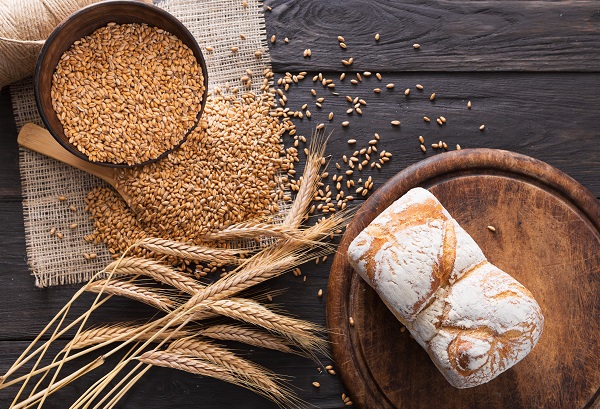
Whole grains, unlike refined grains, contain all parts of the grain — the bran, germ, and endosperm. These grains are high in fiber, which has been linked to lower inflammation levels. They also contain antioxidants and other anti-inflammatory compounds. On the other hand, refined grains like white bread and pasta have had these beneficial components stripped away.
Options for whole grain foods are plentiful and versatile. Foods like brown rice, quinoa, oats, and whole grain bread can be easily incorporated into meals. Including these foods in the diet can have beneficial effects not just on inflammation, but also on digestive health and weight management.
Limit Sugar Intake

Excessive sugar consumption can have a dramatic effect on inflammation levels in the body. When sugar is consumed, it triggers a rise in blood sugar levels, leading to a spike in insulin. This spike can stimulate the release of pro-inflammatory substances called cytokines.
Reducing sugar intake can be a challenge, especially given the ubiquity of added sugars in processed foods. Reading food labels carefully and opting for fresh, whole foods over processed ones can help keep sugar consumption in check. For those who enjoy sweet treats, consider using natural sweeteners such as honey or maple syrup in moderation, or better yet, choose fresh fruits to satisfy sweet cravings.
Stay Hydrated

Hydration plays a significant role in maintaining good health and managing inflammation. Water helps in flushing toxins from the body, which can reduce inflammation. Moreover, being well-hydrated can help transport nutrients and oxygen to cells, remove waste products, and ensure proper functioning of the body’s systems.
It’s not just the quantity of water that’s important, but also consistency. Regular hydration throughout the day can help maintain optimal bodily function. While the general guideline is eight 8-ounce glasses of water per day, individual needs can vary based on factors such as activity level, age, and climate. Infusing water with fruits, herbs, or a splash of juice can add flavor for those who find plain water unappealing.
Use Anti-Inflammatory Spices
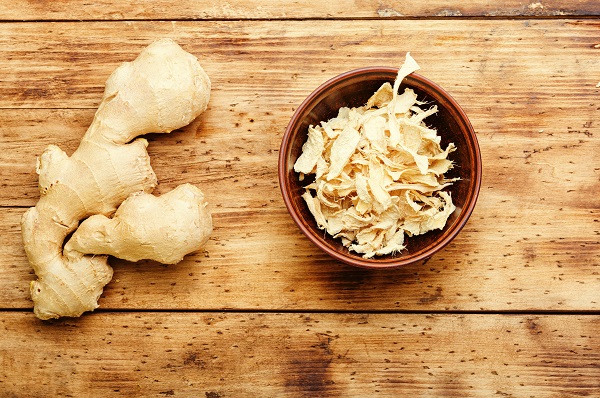
Certain spices and herbs have potent anti-inflammatory properties. Spices like turmeric, ginger, and cinnamon contain compounds that have been shown to reduce inflammation. For example, turmeric contains curcumin, a chemical compound known for its anti-inflammatory effects.
It’s easy to incorporate these spices into daily meals. Turmeric and ginger can be added to soups, smoothies, and stir-fries, while cinnamon can be sprinkled on oatmeal, fruits, or yogurt. Incorporating these spices not only adds flavor but also significantly boosts the anti-inflammatory potential of meals.
The Bottom Line
Managing anti-inflammatory problems through dietary habits is a holistic approach that doesn’t just address symptoms but improves overall health. It’s crucial to remember that consistency is key, and making small, gradual changes can yield significant results over time. Opting for a diverse, nutrient-dense diet and keeping unhealthy food choices to a minimum can go a long way in controlling inflammation and enhancing quality of life. In the end, it’s all about making mindful choices that nourish the body, mind, and spirit.