Hydration and Digestive Health

Staying adequately hydrated is essential for maintaining optimal digestive health. Water helps to dissolve fats and soluble fiber, allowing these substances to pass through the intestines more easily. It also prevents constipation, a common cause of bloating, by keeping the stool soft and easier to pass. Aim for at least eight glasses of water daily, and consider increasing intake during hot weather or when exercising.
Herbal teas, such as chamomile, ginger, and fennel, can be particularly beneficial for reducing bloating. These teas provide a soothing effect on the digestive system, helping to relieve gas and bloating. In addition to their hydrating properties, these herbal teas offer the added benefit of natural compounds that support digestion and gut health.
Dietary Adjustments to Reduce Bloating

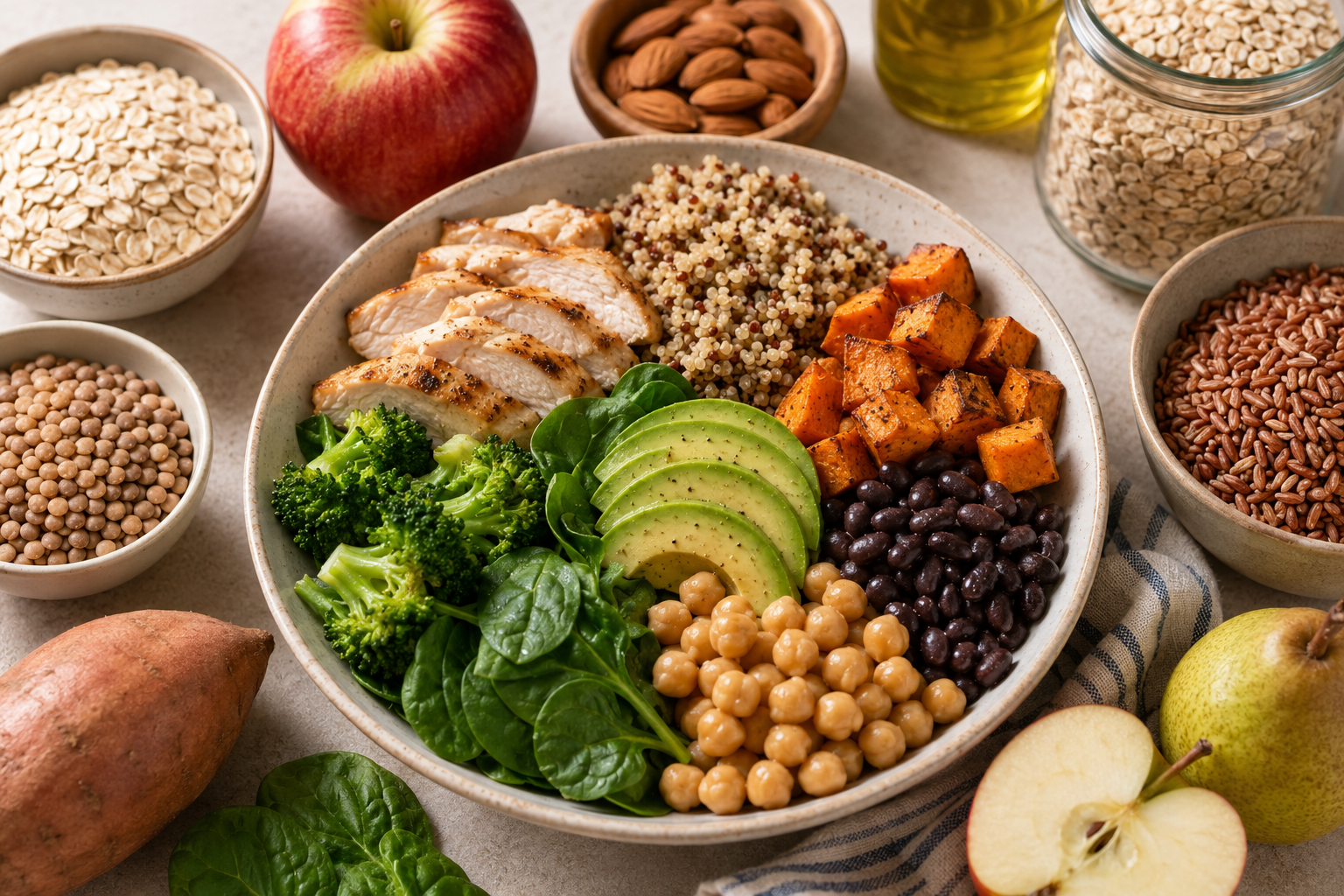
Increasing fiber intake is often recommended to improve digestion and prevent bloating. Fiber helps regulate the digestive system, promoting regular bowel movements and preventing constipation. However, increasing fiber gradually is important to allow the digestive system to adjust, as adding too much fiber too quickly can lead to gas and bloating.
Certain foods, including beans, lentils, carbonated drinks, and foods high in fat, are known to cause bloating in some individuals. Identifying and avoiding these triggers can significantly reduce bloating. Instead, focus on eating a balanced diet rich in fruits, vegetables, lean proteins, and whole grains, promoting digestive health and reducing the risk of bloating.
Physical Activity’s Role in Digestion

Regular physical activity is crucial for maintaining healthy digestion. Exercise helps to stimulate the normal contractions of the digestive tract, ensuring efficient movement of food and waste products. This can prevent the build-up of gas and bloating. Even a simple daily walk can make a significant difference in improving digestive health. Additionally, specific exercises, such as yoga and stretching, can help to relieve bloating by enhancing circulation and facilitating gas release from the digestive tract.
Stress Management and Gut Health

Stress has a profound impact on digestive health, often exacerbating symptoms of bloating. When stressed, the body’s fight-or-flight response is activated, which can lead to disruptions in digestive function. This stress response can slow down digestion, leading to bloating and discomfort. Managing stress through techniques such as meditation, deep breathing exercises, and mindfulness can help alleviate stress-induced bloating.
Incorporating regular stress management practices into one’s daily routine can significantly improve digestive health. Activities like yoga, walking, or reading can reduce stress levels, positively impacting gut health and reducing the incidence of bloating. It’s important to find stress reduction techniques that work for you and make them a part of your regular wellness routine.
Final Thoughts
Bloating is a common digestive issue that can be alleviated through natural digestive aids, dietary adjustments, and lifestyle changes. Individuals can effectively beat the bloat by understanding the importance of gut health, incorporating herbal remedies, balancing gut flora with probiotics, staying hydrated, making dietary adjustments, engaging in physical activity, managing stress, and adopting personalized approaches to digestive health. Embracing these natural strategies can improve digestive health, relieving the discomfort of bloating and enhancing overall well-being. Remember, listening to your body and consulting with healthcare professionals for tailored advice and treatment options is essential.