Do you ever feel like it’s never quite enough, no matter what you eat? Or maybe you can’t seem to stop snacking even though your stomach’s full. If this sounds familiar, don’t worry! This article will discuss the different food practices and tips that can help regulate your appetite and ensure you get all the nutrients your body needs – without overindulging. Keep reading to learn how simple adjustments in time and the type of food consumed can have a major impact on keeping Appetite at bay!
Contents
How Does Appetite Work Exactly?
Appetite is a fascinating subject to study and better understand. It is regulated by hormones and motivated by cultural, environmental, and psychological factors. An individual’s appetite or food preferences are shaped cross-culturally. For instance, the diet of someone in India will likely include more spices than someone from Japan.
Furthermore, when it comes to how appetite works physically, hormones such as Ghrelin increase hunger levels to remind you of when you need food for your body to function.
It is plain to see that appetite considers plenty of different factors! Leptin then signals when you are full and no longer need more food. Moreover, the taste buds on your tongue further influence what you decide to eat – certain foods can trigger cravings while others may be unappetizing.
Best Food Practices To Regulate Your Appetite
Don’t Skip Meals

Eating regular meals can have a profound impact on your health. Eating breakfast is essential to providing the energy needed for a day’s activities and keeping blood sugar levels and hunger pangs in check. For a healthy meal plan, you should include three main meals with two smaller snacks rich in protein and low in fat. Doing so can help regulate your appetite by giving your body an even source of nutrition throughout the day.
Not only will this help sustain your energy throughout the day, but it can also help control cravings and reduce the desire to overindulge in unhealthy snacks. Additionally, consuming a balanced diet at set intervals can improve digestive health and reduce the risk of diabetes, stroke, and other chronic diseases. Consequently, skipping meals is not recommended since it can initiate overeating and create imbalances within your body. By following good nutritional guidelines and making sensible food choices, regulating meals will benefit overall health.
Avoid Processed Foods And Refined Sugars

Your body can naturally regulate hunger levels if you eat the right types of food. High-fiber foods like fruits and vegetables help to satisfy your cravings by keeping you full for extended periods, while unprocessed proteins like fish, nuts, and eggs provide sustained energy that can last for hours after eating. When it comes to regulating appetite and other health benefits, you should avoid processed foods and refined sugars.
On the other hand, processed snack foods are full of unhealthy fats and sugars, giving you a temporary boost but then causing your energy levels to crash. Similarly, excessive consumption of refined sugars will eventually lead to weight gain as your body struggles to process what it considers an unnatural amount of sugar. Therefore, you should cut out these processed snacks and refined sugars to keep your body healthy over time.
Increase Fiber Intake
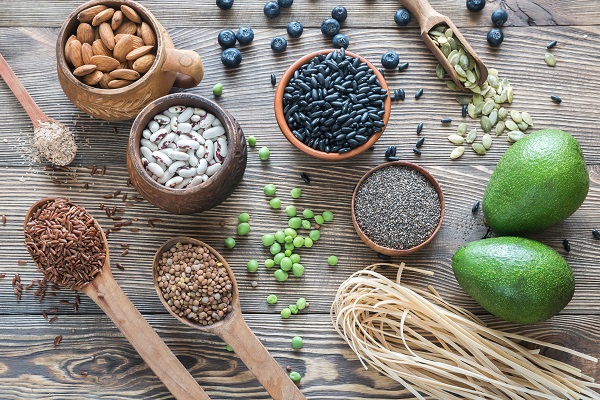
A high-fiber diet is a great way to increase your health and well-being. As foods with at least 5 grams of fiber per portion are slowly digested in the body, they help reduce appetite and hunger. Eating these foods can help you maintain feelings of fullness for longer, meaning you’re less likely to overindulge or snack on unhealthy choices. Additionally, diets high in fiber offer plenty of other health benefits like decreasing stroke and heart attack risk, managing type 2 diabetes, improving digestive health and bowel movements, reducing cholesterol levels, and more.
To get started on increasing your fiber intake, choose whole grains like oats instead of refined products like white bread; swap out processed snacks for fruits and vegetables; incorporate beans into as many meals as possible; add nuts to home-cooked dishes; opt for whole wheat pasta when possible; study labels when shopping to find items containing higher amounts of fiber; ditch sugary drinks for water or tea – the possibilities are almost endless!