

Legumes
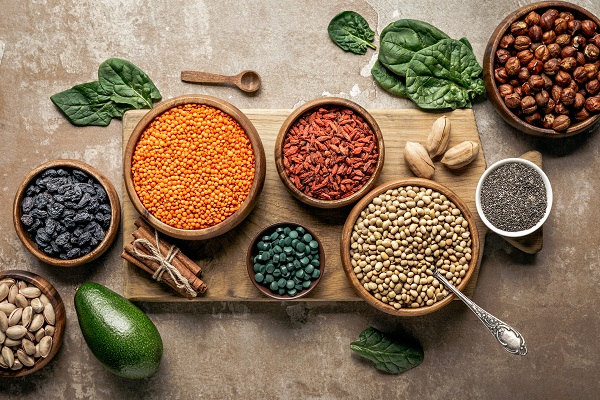
Legumes are a family of nutrient-rich plants that include beans, lentils, and chickpeas. They are an exceptional weight-loss ally due to their high fiber and protein content, two nutrients that are key in managing hunger. When consumed, legumes help create a sense of fullness, reducing the likelihood of overeating during subsequent meals. This can be incredibly beneficial for maintaining a calorie deficit without the feeling of deprivation that often accompanies weight loss diets.
Green Leafy Vegetables

Green leafy vegetables like spinach, kale, and swiss chard are essential components of a weight loss diet. They are incredibly low in calories yet are bursting with vitamins, minerals, and fiber. These vegetables are versatile and can be consumed in large volumes, contributing to fullness without the guilt of high calories. Their high water content also helps with hydration, which is often mistaken for hunger, thus helping to curb unnecessary snacking.
These vegetables aren’t just about filling the stomach; they are packed with nutrients that support a healthy metabolism. For instance, iron and magnesium found in green leafy vegetables are integral for energy production and the functioning of enzymes involved in fat metabolism. Including a variety of green leafy vegetables in the diet ensures a host of beneficial phytonutrients that can aid in weight loss and provide antioxidant properties.
The Bottom Line
Adopting a diet that includes foods like broccoli, salmon, green tea, legumes, avocados, whole grains, berries, and green leafy vegetables can have a profound impact on weight loss efforts. These foods provide not only the necessary nutrients for overall health but also the fiber, protein, and healthy fats that can help control hunger and reduce calorie intake. The key to successful weight loss lies in the balance and variety of nutrient-dense, whole foods that support both the body’s needs and the goals for shedding excess weight.
Related Posts

Everyday Habits That Could Be Slowing Down Your Weight Loss
How Inconsistent Eating Patterns Affect Metabolic Regulation The body thrives on predictability, and irregular eating schedules can disrupt metabolic processes in ways that hinder weight…
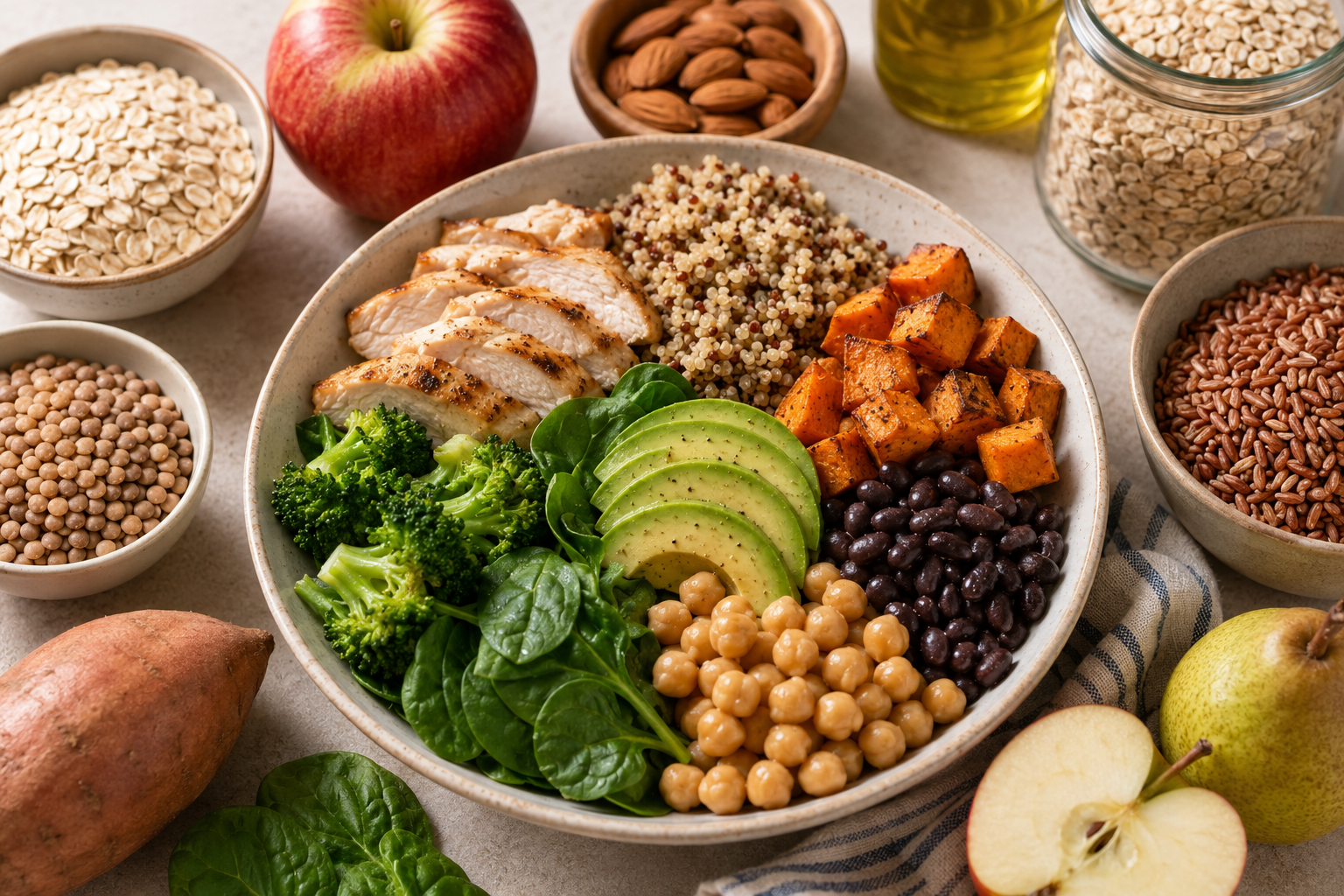
How to Lose Belly Fat Without Giving Up Carbs

Health & Wellness Guide How to Lose Belly Fat Without Giving Up Carbs The science behind carbohydrate quality, soluble fiber, and what research actually says…

The Biggest Mistakes That Slow Down Your Metabolism

Health & Wellness The Biggest Mistakes That Slow Down Your Metabolism Common habits and oversights that research links to reduced metabolic efficiency — and what…