
Maintaining optimal brain health is a crucial aspect of overall well-being, with diet playing a pivotal role in cognitive function and longevity. Superfoods, rich in essential nutrients, antioxidants, and omega-3 fatty acids, offer significant benefits for the brain, including enhancing memory, protecting against degenerative diseases, and improving mood. This post delves into some of the most potent superfoods known for their brain-boosting properties, such as walnuts, turmeric, and kale. Incorporating these foods into one’s diet can lead to noticeable improvements in brain health and cognitive performance.
Walnuts
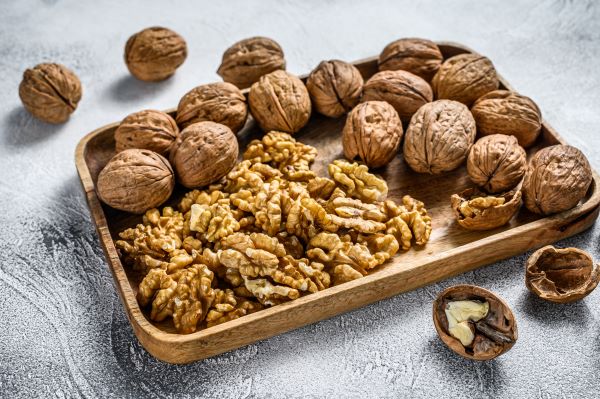
Walnuts are a powerhouse of nutrients beneficial for brain health, particularly because of their high content of omega-3 fatty acids. These essential fats, especially DHA, are crucial for maintaining the integrity of brain cells, supporting neural development, and protecting against cognitive decline. Regular consumption of walnuts can contribute to improved brain function, making them a vital component of a brain-healthy diet. Additionally, walnuts are a good source of antioxidants, which help combat oxidative stress and inflammation, further safeguarding the brain from damage and age-related diseases.
The impact of walnuts on cognitive health extends beyond their nutritional composition. Studies have shown that the inclusion of walnuts in the diet can enhance memory, concentration, and the speed of processing information. The antioxidants present in walnuts, including vitamin E, polyphenols, and melatonin, play a significant role in these cognitive benefits. By neutralizing harmful free radicals, these compounds protect brain cells from damage and support overall brain health. Incorporating a handful of walnuts into daily meals can be a simple yet effective strategy to boost brain power and protect against cognitive decline.
Turmeric

Turmeric, a vibrant yellow spice commonly used in culinary traditions around the world, boasts a powerful active ingredient known as curcumin. Curcumin is celebrated for its potent anti-inflammatory and antioxidant properties, which have profound implications for brain health. It can cross the blood-brain barrier, directly affecting the brain and offering protection against neurodegenerative diseases. By reducing inflammation and oxidative stress, two key factors that contribute to cognitive decline, turmeric supports brain function and reduces the risk of brain diseases.
The benefits of turmeric for the brain are supported by research demonstrating its potential to enhance neuroplasticity, the brain’s ability to form new connections. This property is critical for learning and memory, suggesting that turmeric can improve cognitive abilities and possibly delay the onset of memory-related diseases. Additionally, curcumin has been associated with increased levels of brain-derived neurotrophic factor (BDNF), a protein that plays a vital role in brain health by promoting the survival of nerve cells. Regular inclusion of turmeric in the diet, whether through cooking or supplementation, can contribute to maintaining a sharp and healthy mind.
Kale

Kale, a leafy green vegetable, is lauded for its dense nutritional profile, making it an excellent food for brain health. It is rich in vitamins A, K, and C, minerals, and antioxidants, all of which are essential for maintaining optimal brain function and protecting against cognitive decline. Vitamin K, in particular, is known for its role in supporting brain health by enhancing sphingolipids, a class of fats that form an integral part of brain cells. The antioxidants in kale, such as quercetin and kaempferol, offer additional neuroprotective benefits, helping to shield the brain from oxidative stress.
Beyond its vitamins and antioxidants, kale’s high fiber content also contributes to brain health by promoting gut health, which is closely linked to cognitive function. A healthy gut can influence the brain through the gut-brain axis, impacting mood and brain function. Regular consumption of kale supports not only gut health but also provides the brain with the nutrients it needs to function efficiently. This superfood is a versatile addition to any diet, easily incorporated into meals through salads, smoothies, and as a cooked vegetable, making it accessible for those looking to boost their brain power.