

Virtual Reality And Fitness
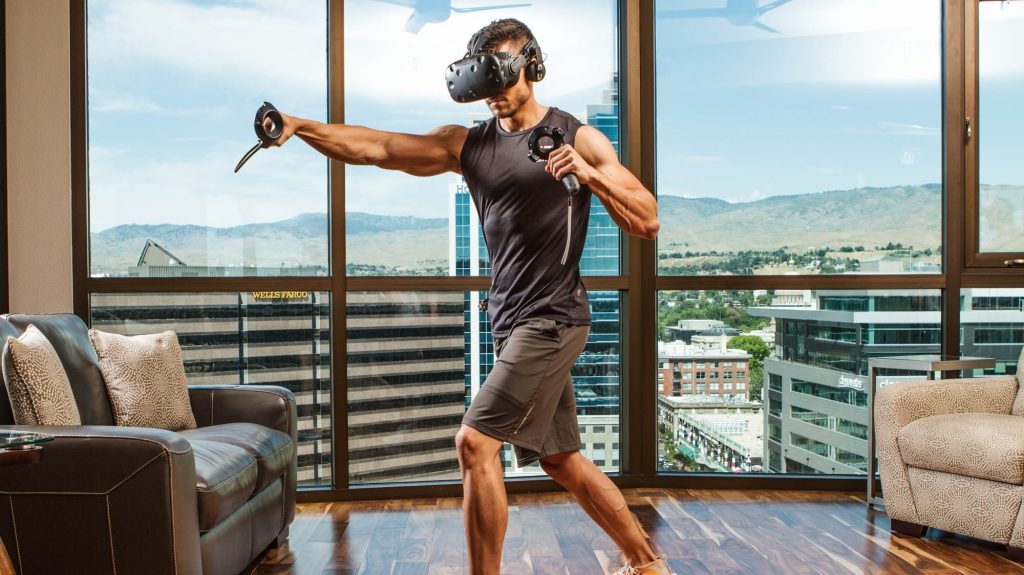
Virtual reality (VR) has emerged as a significant player in the digital fitness arena. It offers users the unique opportunity to engage in immersive exercise experiences from the comfort of their own homes. Rather than sticking to traditional workout regimens, users can virtually cycle through the French Alps, spar with a virtual boxing opponent, or engage in an underwater yoga session. VR technology infuses novelty and excitement into exercise routines, improving user adherence to regular physical activity.
While the future of VR in fitness seems promising, it is crucial to acknowledge that its impact largely depends on individual preference. Some users may find VR-based exercises stimulating and enjoyable, while others prefer conventional workouts. Moreover, the cost of VR equipment can be prohibitive for many. Despite these potential challenges, VR undoubtedly presents intriguing opportunities for fitness, offering fresh, engaging ways to motivate individuals toward better health.
Telemedicine And Online Health Consultation

Digital fitness extends into the realm of healthcare with telemedicine and online health consultations. Telemedicine leverages technology to provide medical services remotely, thereby increasing accessibility to healthcare, especially for those in remote locations. Individuals can receive professional advice, diagnosis, and even treatment through online consultations without leaving their homes. This saves time and resources and ensures continued medical care in situations like the recent global pandemic.
While telemedicine has numerous benefits, it also comes with challenges. The lack of physical interaction might lead to less accurate diagnosis or miscommunication between the patient and the healthcare provider. Despite these concerns, telemedicine has shown remarkable potential in improving access to health services. As technology advances and these challenges are addressed, it will undoubtedly become an even more integral part of healthcare.
The Future Of Digital Fitness

Technology such as AI and machine learning holds significant potential for the fitness industry. These technologies could pave the way for more personalized fitness guidance by analyzing users’ health data to provide customized workout and diet plans. Furthermore, advancements in biometrics and nanotechnology may bring innovative fitness solutions, ranging from non-invasive glucose monitors for athletes to wearable tech that can detect dehydration or muscle strain.
aragraph">