
Prevention Strategies

Preventing Charley horses involves a multifaceted approach focusing on lifestyle and dietary adjustments. Regular exercise, particularly stretching and strength training, can significantly reduce the risk of muscle cramps. Stretching improves flexibility and blood flow to the muscles, while strength training enhances muscle endurance. Additionally, maintaining hydration is crucial. Adequate water intake ensures proper muscle function and helps prevent cramps. A balanced diet rich in potassium, magnesium, and calcium can also help in preventing these spasms. Foods like bananas, leafy greens, and dairy products are excellent sources of these essential minerals.
Another aspect of prevention is paying attention to body signals during activities. Overexertion, especially in hot weather, increases the risk of dehydration and electrolyte imbalance, leading to muscle cramps. It is vital to take regular breaks, stay hydrated, and listen to the body’s needs during physical activities. For individuals prone to Charley horses, wearing comfortable shoes and avoiding prolonged sitting or standing in the same position can also help. For those with medical conditions that increase the risk of muscle cramps, managing the underlying condition effectively is a key part of prevention.
Treatment And Relief
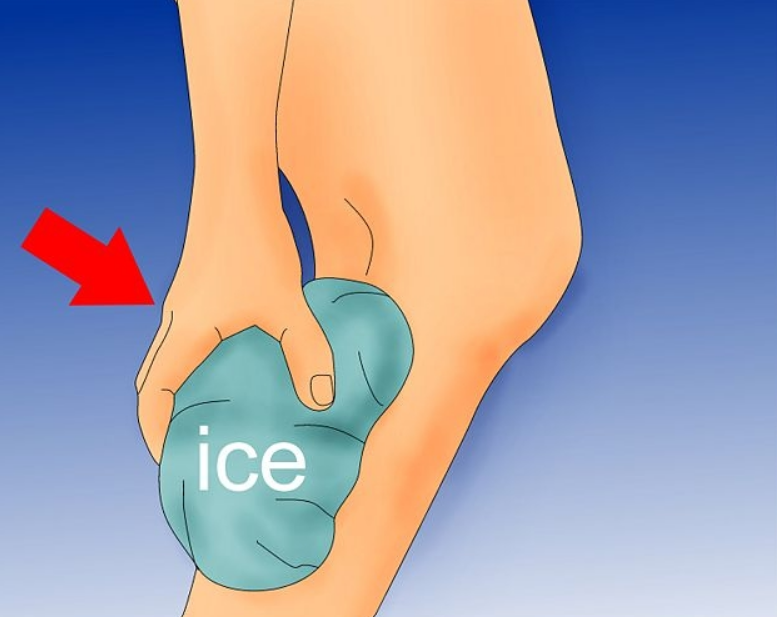
When a Charley horse occurs, the immediate goal is to alleviate the pain and relax the cramped muscle. Gently stretching the affected muscle is one of the most effective immediate treatments. For a calf cramp, this can be done by straightening the leg and gently pulling the toes upward towards the knee. Applying heat to the cramped muscle can also help by increasing blood flow and relaxing muscle tension. Conversely, using a cold pack can reduce pain and inflammation in the affected area.
For persistent or severe Charley horses, massage can be beneficial. Gently massaging the cramped muscle can help to ease the contraction and alleviate discomfort. Over-the-counter pain relievers may be used if the pain is severe, but they are generally not necessary for typical Charley horses. Ensuring adequate rest following a cramp is important to prevent recurrence and allow the muscle to recover. It’s also advisable to gently stretch and warm up the muscle before returning to normal activities to prevent further cramps.
When To Seek Medical Attention

Seeking medical attention for Charley horses is necessary when they are frequent, severe, or indicative of an underlying health issue. If muscle cramps disrupt sleep regularly or significantly impact daily activities, consulting a healthcare provider is advised. Persistent or recurrent Charley horses could be a sign of electrolyte imbalances, dehydration, or other medical conditions that require professional assessment and treatment.
data-ezoic="1">ezstandalone.cmd.push(function () { ezstandalone.showAds(128); });Additionally, if a Charley horse is accompanied by swelling, redness, or skin changes, or if it does not resolve with standard self-care measures, medical evaluation is warranted. These symptoms could indicate more serious conditions like deep vein thrombosis or a muscle tear. For individuals with known medical conditions, such as kidney disease or thyroid disorders, experiencing frequent Charley horses could signify a need for adjustment in treatment or management of the underlying condition.
Myths And Misconceptions

There are several myths and misconceptions surrounding Charley horses that can lead to misinformation about their management. One common myth is that these muscle cramps are always a sign of a serious medical condition. While they can be associated with certain medical issues, most Charley horses are benign and can be managed with simple lifestyle changes and home remedies. Another misconception is that only athletes or physically active individuals experience Charley horses. In reality, these muscle cramps can affect anyone, regardless of their level of physical activity.
Another widespread belief is that dehydration is the sole cause of Charley horses. While dehydration and electrolyte imbalances can contribute to muscle cramps, factors like muscle fatigue, poor circulation, and certain medications also play significant roles. It’s also incorrectly assumed that vitamin supplements can prevent Charley horses. While maintaining a balanced diet is important, there is limited evidence that vitamin supplementation alone can prevent these cramps. Dispelling these myths is crucial for understanding and effectively managing Charley horses.
The Bottom Line
Charley horses are a common yet manageable condition. Understanding their causes, symptoms, and effective prevention and treatment strategies can significantly reduce their impact. While they can be painful and disruptive, simple measures like regular stretching, staying hydrated, and maintaining a balanced diet can help prevent their occurrence. It’s important to differentiate between normal muscle cramps and symptoms that might indicate a more serious health issue. In cases of frequent, severe, or persistent Charley horses, seeking medical advice is recommended. Ultimately, with the right knowledge and approach, managing Charley horses can be straightforward and effective.