

Ginseng
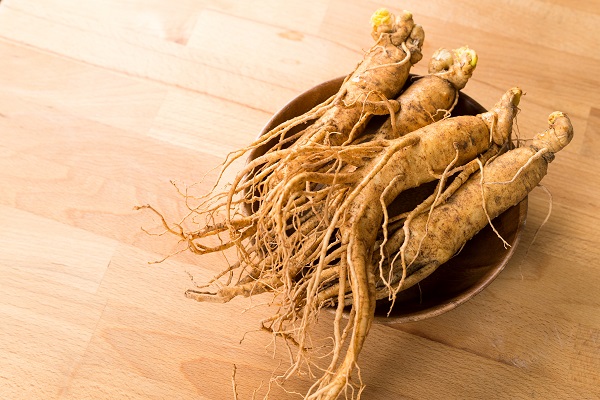
Ginseng, revered in Eastern medicine for centuries, is celebrated for its invigorating properties. This root, predominantly grown in East Asia and North America, is often associated with enhancing vitality and improving overall well-being. Its popularity extends beyond traditional practices; modern lifestyles embrace ginseng for its potential to combat fatigue and support cognitive function. Whether consumed as a tea, supplement, or extract, ginseng holds a special place in the realm of herbal remedies.
Research on Saw Palmetto has been promising, especially concerning prostate health and hair loss. Studies indicate that it might help in reducing the symptoms of BPH and could also play a role in preventing hair loss. Despite mixed results in clinical trials, the popularity of Saw Palmetto persists, driven by anecdotal success stories and its historical use.
Ginkgo Biloba
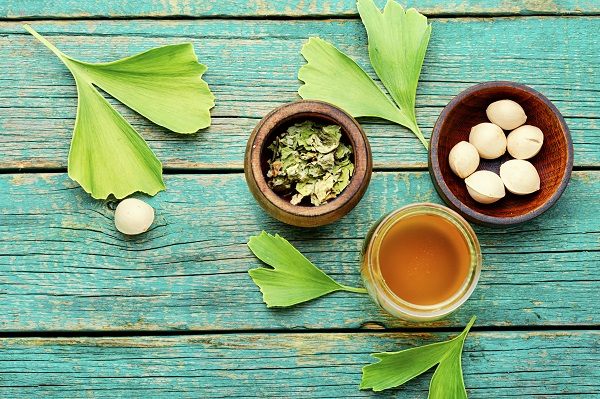
Ginkgo Biloba, one of the oldest tree species, is famed for its memory-enhancing and circulatory benefits. Originating from China, this ancient plant has been used for millennia, primarily for its cognitive benefits. Today, Ginkgo Biloba supplements are commonly used to improve memory, concentration, and to potentially alleviate symptoms of dementia and Alzheimer’s disease.
Scientific interest in Ginkgo Biloba centers around its ability to improve blood flow and its antioxidant properties. Research suggests that it may aid in treating or preventing memory issues related to aging, though results are not conclusive. Despite this, Ginkgo Biloba maintains a strong following, with ma
ny people incorporating it into their daily regimen to support cognitive health.Hawthorn
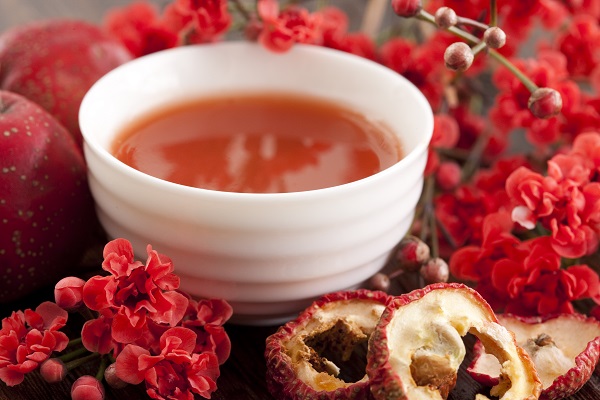
Hawthorn, a plant with a long history in traditional medicine, is primarily known for its cardiovascular benefits. Extracts from its berries, leaves, and flowers are used to treat heart-related conditions. Hawthorn has been traditionally used to relieve symptoms of heart failure, angina, and to regulate blood pressure. Its efficacy in strengthening the heart and supporting cardiovascular health has made it a staple in herbal medicine cabinets.
Contemporary research supports some of Hawthorn’s traditional uses, particularly in enhancing heart function and treating heart failure. Studies have shown that it can improve cardiac performance and reduce symptoms of heart disease. While it is not a substitute for conventional treatment, Hawthorn is a valuable complementary remedy for those looking to support their heart health through natural means.
The Bottom Line
Herbal supplements, rooted in ancient wisdom and backed by modern science, offer a natural approach to enhancing health and well-being. While these supplements hold great promise, it’s essential to approach them with knowledge and caution. Each has its unique benefits and potential interactions with medications or conditions. Hence, it’s crucial to consult healthcare professionals before incorporating them into a health regimen. As the world of herbal supplements continues to expand and evolve, it offers an exciting, natural adjunct to conventional medicine, bridging the gap between traditional knowledge and contemporary health practices.