There are many “superfoods” or “healthy” foods on the market today that are said to have extraordinary health benefits. But just because a food says it’s a “superfood” or the packaging looks like a healthy food doesn’t mean it’s automatically good for you. Some of these foods can be pretty harmful. Whether it’s their high levels of sugar, fat, or sodium, the ingredients used to make these foods, or even how we buy and eat them. This article will take a look at some foods you should avoid!
Granola Bars

Granola bars are one of the most popular snacks in America. They can be healthy because they pack a lot of fiber and protein, but many granola bars are made with lots of extra sugar and fat to make them taste better. Some granola bars come in packages claiming to have only 100 calories, and these companies count each tiny square as just one serving. So if you eat three granola bars (which is not uncommon), those 100 calories turn into 300.
Energy Drinks

Energy drinks claim to boost your energy and increase metabolism while curbing your appetite. While these claims seem too good to be true, some studies back them up. But there is much more research needed before the long-term effects of these caffeine-packed drinks are known. The FDA does not regulate energy drinks, so there is no way to know how much caffeine you’re getting when you buy them. Plus, they contain ingredients like guarana and taurine that can be harmful if too much is consumed in one sitting. Studies have also linked energy drinks with acne breakouts, stomach problems, caffeine overdose, and even early death.
Artificial Sweeteners
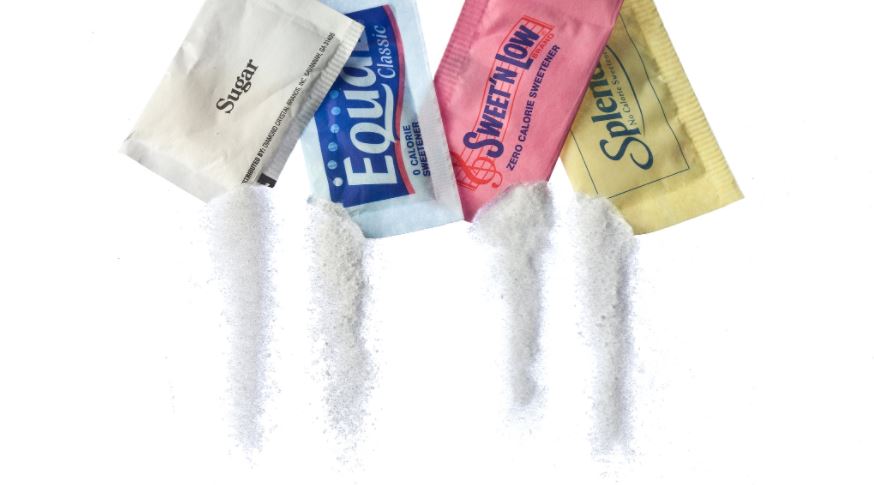
Today’s artificial sweeteners are up to 700 times sweeter than table sugar and don’t contain calories. But what is the effect of consuming something that has absolutely no calories? One study looked at people who consumed foods and beverages with aspartame, a common artificial sweetener. They found that the long-term damage of aspartame can include memory problems and congenital disabilities.