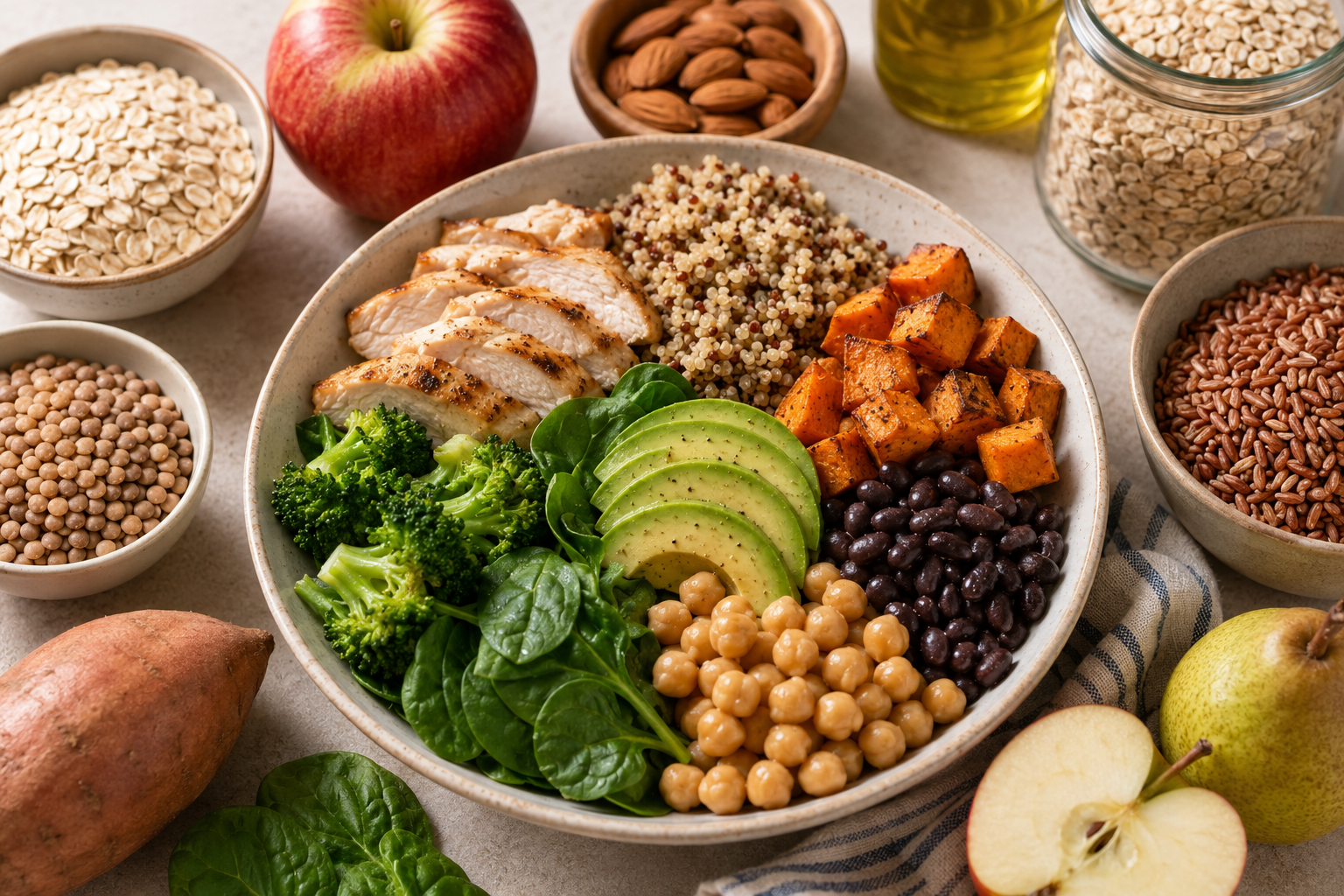

Whole Grains For Sustained Energy
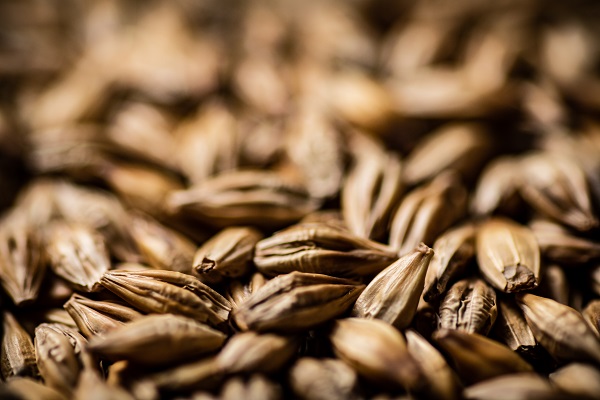
Whole grains are esteemed for their complex carbohydrate content, which offers a slow and steady release of energy. Quinoa, a popular grain, is not only rich in carbohydrates but is also a complete protein, containing all nine essential amino acids. It is also replete with various vitamins and minerals integral for energy production, such as B-vitamins, magnesium, and iron. Brown rice, another whole grain, offers a considerable amount of fiber and is a low-glycemic index food, ensuring that it provides long-lasting energy without causing abrupt spikes in blood sugar levels.
Another attribute accentuating the appeal of legumes is their versatility in culinary applications. Chickpeas can be consumed in various forms – roasted as a crunchy snack, blended into hummus, or incorporated into salads and stews. Their rich nutrient profile, characterized by ample amounts of protein, fiber, vitamins, and minerals, ensures that energy is not just momentarily boosted but sustained over prolonged periods. Consequently, integrating legumes into daily dietary routines can substantively contribute to enhanced vitality and overall well-being.
Vegetables That Boost Energy

Vegetables like spinach and kale are powerhouse foods, teeming with nutrients that significantly uplift energy levels. Spinach, rich in iron, plays a crucial role in the body’s energy production, as it aids in the transportation of oxygen to the cells, facilitating the generation of energy. Kale, laden with vitamins, minerals, and antioxidants, not only boosts energy but also fortifies the immune system, enhancing the body’s resilience and vitality.
Combining these
nutrient-dense vegetables with other foods can amplify their energy-boosting effects. For example, a salad incorporating leafy greens, nuts, and fruits can offer a holistic mix of nutrients that work synergistically to enhance energy and overall health. The rich fiber content also ensures a steady energy release, preventing the abrupt spikes and crashes in blood sugar levels, often associated with refined and processed foods.Hydration For Vitality

Proper hydration is integral to maintaining optimal energy levels and overall health. Water is fundamental for various bodily functions, including nutrient transportation and metabolic processes that generate energy. Dehydration, even mild, can lead to a significant reduction in energy levels and cognitive functions, manifesting in symptoms like fatigue, dizziness, and reduced alertness. Consuming an adequate amount of water daily is essential to ensure the body’s physiological processes operate efficiently, translating to elevated energy levels.
For those seeking to boost their energy levels, infusing water with natural energizers like citrus fruits or mint can be beneficial. Not only does this enhance the flavor of the water, encouraging increased consumption, but it also adds a nutritional boost. The vitamins and minerals from these additions contribute to energy production, offering a refreshing, natural alternative to caffeinated beverages, and ensuring the body remains adequately hydrated and energized throughout the day.
The Bottom Line
In the journey towards enhanced energy and vitality, incorporating a variety of fruits, nuts, seeds, whole grains, legumes, and vegetables into the diet emerges as a fundamental strategy. These foods, rich in essential nutrients, offer a steady, balanced release of energy, mitigating the abrupt fluctuations associated with caffeine consumption. Hydration, too, plays a pivotal role, underscoring the need for regular water intake. Opting for these natural energizers not only boosts energy but also augments overall health and well-being, marking a holistic approach to vitality that is sustainable and beneficial in the long-term.