The importance of kidney health is often underestimated until issues arise. Kidneys play a pivotal role in filtering waste products, excess substances, and toxins from the bloodstream, which are then excreted through urine. These vital organs also aid in maintaining a balance of electrolytes, regulating blood pressure, and producing hormones essential for red blood cell production and bone health. Unfortunately, certain foods, often consumed regularly, can impede kidney function and health. Recognizing these foods and understanding their impacts can significantly influence the prevention of kidney-related health issues and the promotion of overall well-being.
Canned Foods
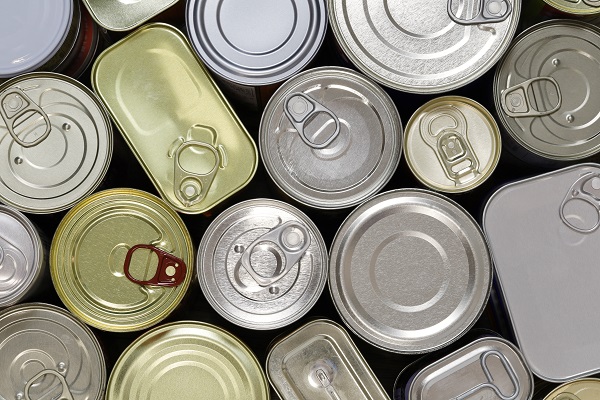
Canned foods are a staple in many pantries due to their convenience and long shelf life. However, the excessive sodium content in these products poses a significant risk to kidney health. High sodium intake puts immense pressure on the kidneys to eliminate the excess salt, potentially leading to kidney damage over time. The impact of this increased workload can accelerate the deterioration of these essential organs, making the consumption of high-sodium canned foods a concern for individuals prioritizing kidney health.
Besides the sodium content, another concern is the preservatives and additives often found in canned foods. These chemical compounds, utilized to enhance flavor and extend shelf life, can be harmful to the kidneys. Consuming these substances regularly may lead to a gradual decrease in kidney function. Therefore, opting for fresh, organic, or frozen foods, or carefully reading labels to select low-sodium and preservative-free options, can make a significant difference in promoting kidney health.
Dark Sodas

Dark sodas are popular beverages enjoyed by many, yet they harbor ingredients that can be detrimental to kidney health. One major concern is the high sugar content, especially the presence of high fructose corn syrup. This type of sugar has been linked to obesity and diabetes, conditions that inherently increase the risk of kidney disease. Furthermore, high sugar intake can lead to the formation of kidney stones, a painful condition resulting from the crystallization of waste products in the kidneys.
Another ingredient that raises alarm is phosphoric acid, commonly found in dark-colored sodas. This acid can interfere with the body’s ability to absorb calcium, leading to issues like weakened bones and, relevant to this discussion, kidney stones. The consistent consumption of beverages containing phosphoric acid can contribute to the deterioration of kidney health over time. Thus, moderating the intake of dark sodas or opting for healthier beverage alternatives is a proactive step towards safeguarding the kidneys from potential damage.
Dairy Products

The inclusion of dairy products in the diet is common, but excessive consumption can pose risks to kidney health. One of the primary concerns is the buildup of calcium that can result from indulging in too many dairy products. When the body is inundated with calcium, the excess mineral can combine with other waste products to form kidney stones. Individuals who are prone to this painful condition might benefit from moderating their dairy intake to mitigate risks.
Additionally, dairy products are known for their high protein content. While protein is essential for muscle building and repair, among other functions, an overabundance can strain the kidneys. This is particularly concerning for individuals with preexisting kidney conditions, where filtering and eliminating excess waste and substances, including protein byproducts, can be challenging. Balancing protein intake while considering overall dietary and health needs can contribute to enhanced kidney wellness.