Processed Meats

Processed meats, though delicious and convenient, are often laden with sodium and additives that can escalate blood pressure and place undue strain on the kidneys. Elevated blood pressure is a known risk factor for kidney disease, as it can damage the blood vessels in and around the kidneys, impairing their ability to effectively filter waste from the blood. Regularly consuming processed meats increases exposure to these risks, underscoring the need for moderation and dietary diversity.
Beyond sodium, the protein content in processed meats can also be a source of concern. The kidneys are instrumental in filtering byproducts of protein metabolism, and too much protein can intensify the workload of these organs. Over time, this increased strain can potentially lead to a reduction in kidney function. Choosing plant-based proteins or lean, unprocessed meats can be a healthier alternative to mitigate these risks.
High-Potassium Foods
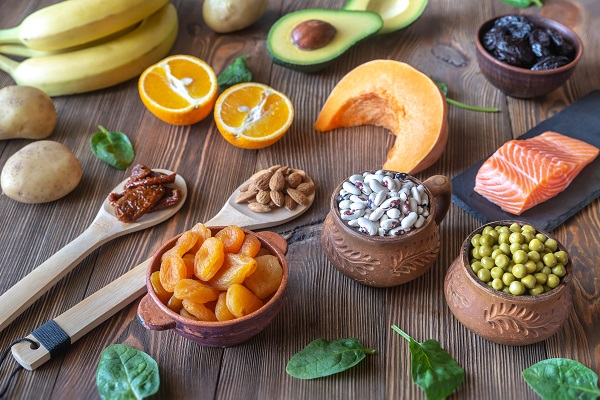
Potassium is a vital mineral that supports various bodily functions, including nerve and muscle cell functioning. However, for individuals with compromised kidney health, managing potassium levels is crucial. Damaged kidneys can’t eliminate excess potassium efficiently, leading to hyperkalemia, a condition characterized by higher than normal potassium levels in the blood. The symptoms of hyperkalemia range from weakness and fatigue to dangerous heart rhythms and cardiac arrest.
It is essential to be aware of foods that are particularly rich in potassium. These include bananas, oranges, potatoes, spinach, and tomatoes. For those with kidney concerns, monitoring and moderating the intake of such foods can be integral to maintaining balanced potassium levels. Consulting with a healthcare professional for personalized dietary advice ensures that nutrient needs are met without compromising kidney health.
Alcohol

Alcohol’s diuretic effect leads to increased urination and potential dehydration. As the body loses more fluid, the kidneys must work harder to filter and eliminate waste products from the blood, and this can damage kidney cells. Dehydration also increases the risk of kidney stones due to the higher concentration of minerals and electrolytes in the urine, resulting in the crystallization and formation of stones.
Furthermore, consistent alcohol consumption has long-term impacts on the kidneys. Alcohol can lead to high blood pressure, a leading cause of kidney disease. It impairs the kidneys’ ability to filter harmful substances from the blood, leading to an accumulation of toxins. The liver, too, can suffer damage, and a compromised liver affects kidney function and overall health.
Pickled Foods
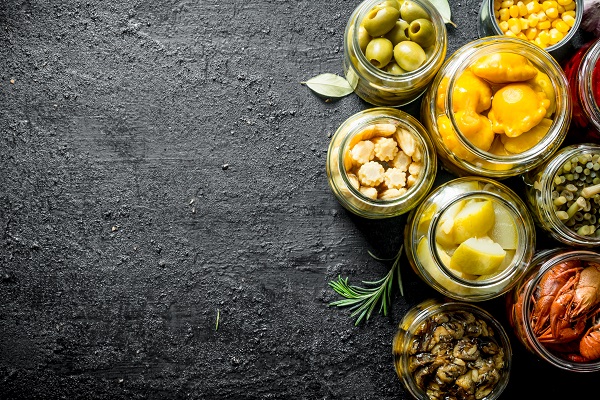
Pickled foods, though enjoyed by many for their distinct taste, often contain high levels of sodium. Excessive sodium intake can increase blood pressure, placing extra strain on the kidneys and potentially leading to kidney damage over time. Chronic kidney disease is often linked to hypertension, and dietary choices that elevate blood pressure levels can exacerbate the issue.
Additionally, the acidic nature of vinegar used in the pickling process can affect kidney health. Acids can lead to the formation of kidney stones by increasing the acidity of urine. People prone to kidney stones or those aiming to prioritize kidney health might consider moderating the consumption of pickled foods while balancing their diet with alkaline foods to neutralize acidity.
The Bottom Line
Balancing the intake of potentially harmful foods is paramount to preserving kidney health. Awareness of the adverse effects of certain foods, such as canned items, dark sodas, and processed meats, empowers individuals to make informed dietary choices. Likewise, understanding the impact of high-potassium foods, alcohol, and pickled items plays a crucial role in preventative health. Adaptation and moderation, alongside a well-rounded diet, become instrumental in maintaining optimal kidney function, supporting overall health, and reducing the risk of chronic kidney diseases and related health complications.