

Fried And Greasy Foods
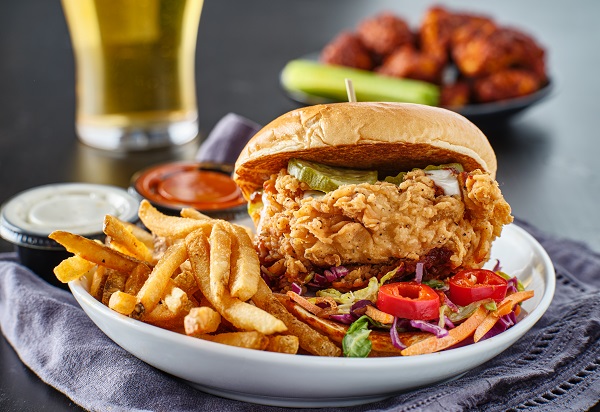
Fried and greasy foods can have adverse effects on the digestive system and cardiovascular health. Such foods are typically high in unhealthy fats and calories, contributing to weight gain and increased cholesterol levels. As the body ages, its efficiency in processing these heavy, fat-laden foods declines, elevating the risk of heart disease and digestive disorders.
Dairy Products
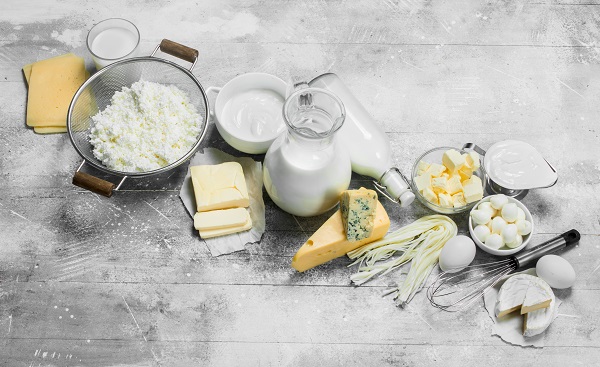
As individuals age, many experience a reduction in lactase, the enzyme needed to properly digest lactose found in dairy products. This decrease can lead to lactose intolerance, resulting in bloating, gas, and other digestive issues. Consequently, a reevaluation of dairy consumption is often necessary to maintain comfort and digestive health.
Plant-based alternatives to traditional dairy products have become widely available and offer a nutritious option for those reducing dairy intake. Almond, soy, and oat milks, among others, provide essential nutrients without lactose. Ensuring adequate calcium and vitamin D intake through other sources, such as leafy greens and fortified foods, can help maintain bone health and overall vitality.
The Bottom Line
Navigating dietary choices after 40 requires a heightened awareness of the body’s changing needs and responses to various foods to avoid and beverages. By minimizing or avoiding processed meats, sugary drinks, refined carbohydrates, fried foods, artificial additives, alcohol, and excessive dairy, one can pave the way for enhanced well-being. Prioritizing nutrient-rich, whole, and natural foods fosters a balanced diet that supports physical health, cognitive function, and longevity. Every individual’s journey is distinct, yet a focus on informed and mindful eating remains a universal cornerstone for a thriving life post-40.
Related Posts
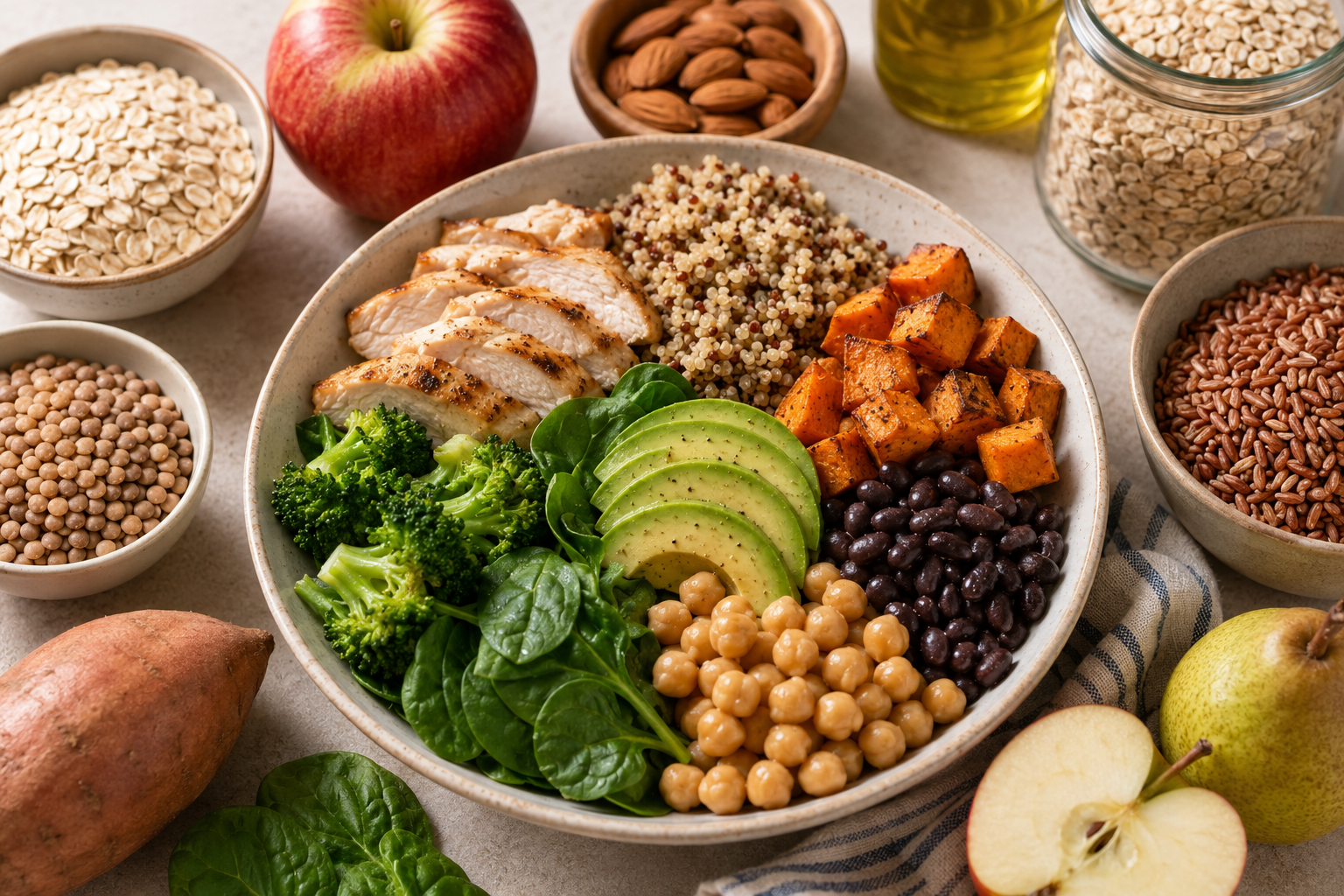
How to Lose Belly Fat Without Giving Up Carbs
Health & Wellness Guide How to Lose Belly Fat Without Giving Up Carbs The science behind carbohydrate quality, soluble fiber, and what research actually says…

The Biggest Mistakes That Slow Down Your Metabolism

Health & Wellness The Biggest Mistakes That Slow Down Your Metabolism Common habits and oversights that research links to reduced metabolic efficiency — and what…
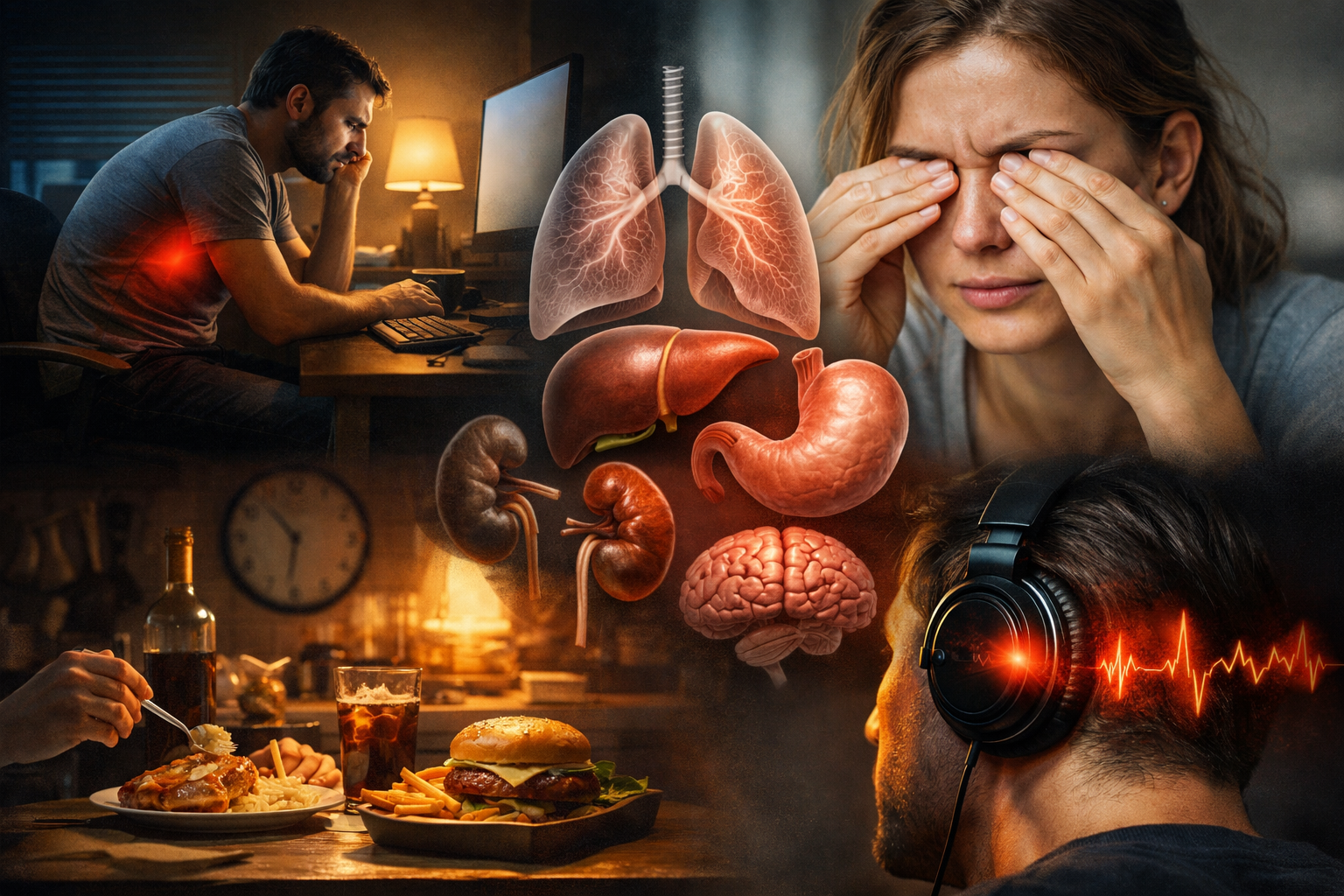
Habits That Are Slowly Damaging Your Organs
Health & Wellness Habits That Are Slowly Damaging Your Organs Eight everyday behaviors quietly wearing down the body — and what you can do about…