
Include Fiber In Your Diet

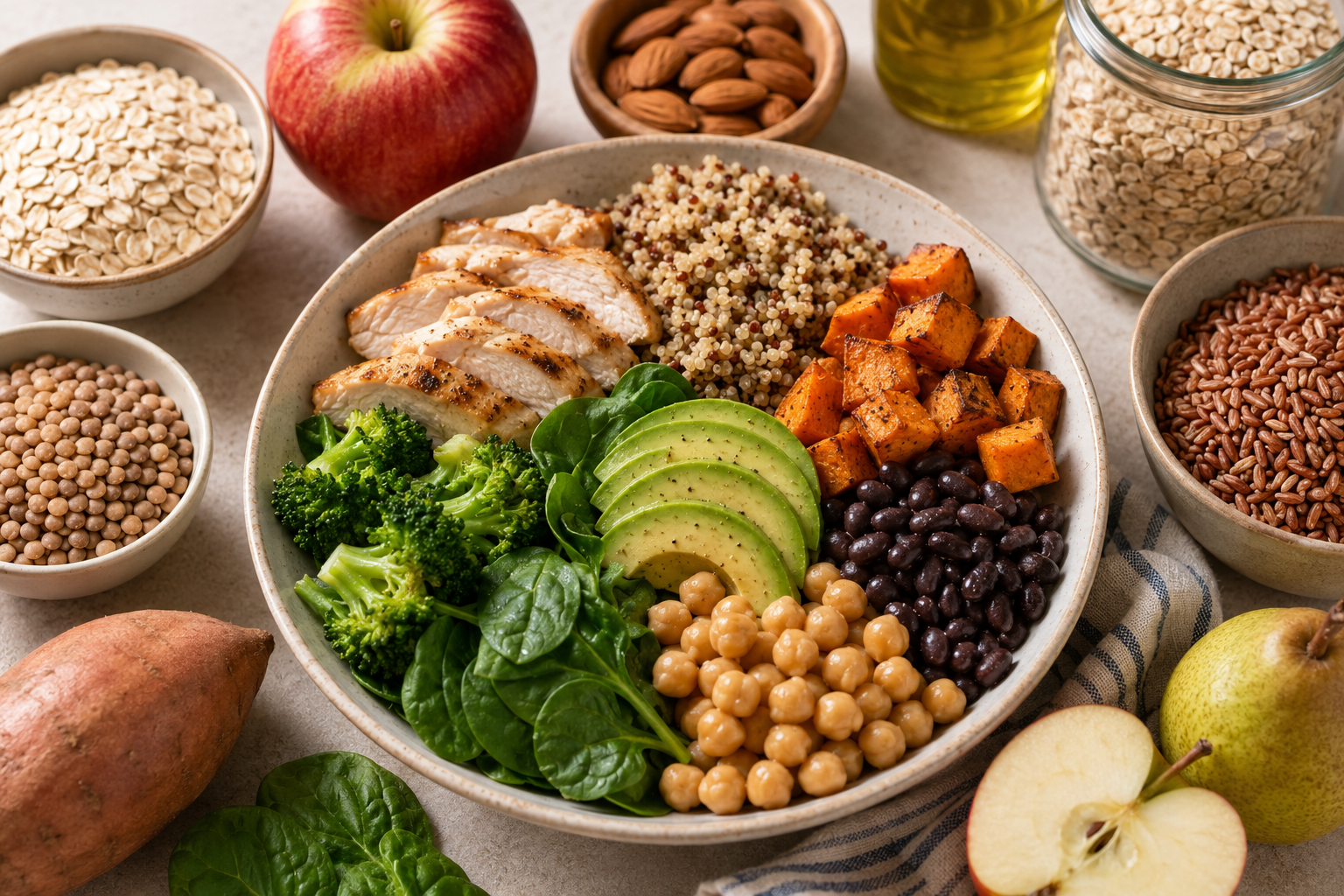
Many people may not realize the importance of fiber in their diets for proper digestion and gut health. Fiber plays a crucial role in keeping your digestive system running smoothly by promoting regular bowel movements and preventing constipation. It also helps keep your gut healthy by nourishing the good bacteria in your gut, which is essential for your overall well-being.
Incorporating fiber into your diet doesn’t have to be complicated; simply adding more fruits, vegetables, whole grains, and legumes can help increase your fiber intake. And if you find that you are not getting enough fiber through your diet, consider taking a supplement.
Eat Probiotic-Rich Foods

Another effective method for promoting gut health is by incorporating probiotic-rich foods into your diet. Probiotics are living microorganisms that provide numerous health benefits, including aiding in digestion by replenishing the good bacteria in your gut. These beneficial bacteria can improve bowel regularity, reduce inflammation, boost immune system function, and even alleviate symptoms of certain gastrointestinal disorders.
Common sources of probiotics include yogurt, kefir, sauerkraut, kimchi, and kombucha. By regularly consuming these foods, you can support your digestive health and reap the benefits of a happy gut.
Take A Prebiotic Supplement

With the rise of unhealthy eating habits and the use of antibiotics, your gut flora can become imbalanced. This is where prebiotic supplements come in handy. Unlike probiotics that contain live microorganisms, prebiotics are non-digestible fibers that promote the growth of good bacteria already present in your gut. These supplements can help regulate bowel movements, reduce inflammation, and even improve brain function.
It’s important to note that not all prebiotic supplements are created equal, so choosing one that contains the right types of fiber to meet your specific needs is important. Incorporating a prebiotic supplement into your daily routine can help support your digestive health and overall well-being.
p-block-heading">Limit Processed Foods
In today’s fast-paced world, processed foods have become a standard fixture in many people’s daily diets. However, what you may not realize is that consuming these foods can have detrimental effects on your digestive health. The presence of preservatives, additives, and artificial sweeteners can disrupt the balance of good and bad bacteria in your gut, leading to a host of digestive issues.
Furthermore, these foods are often low in fiber, leading to constipation and further digestive problems. To maintain gut health, it’s best to limit your intake of processed foods as much as possible and opt for fresh, unprocessed options instead.
Get Regular Exercise

Many people are surprised to learn that exercise can have a significant impact on digestion and gut health. Not only does regular physical activity stimulate the muscles in the digestive tract, but it also helps to maintain a healthy weight and reduce stress levels – two factors that can contribute to digestive issues.
In fact, research has shown that just 30 minutes of moderate-intensity exercise per day can improve gut motility and reduce inflammation in the gut. So if you’re looking to improve your digestion and overall gut health, adding regular exercise to your routine may be a simple and effective solution.
Supporting Your Gut Health And Improving Your Digestion Is Vital!
Knowing how to support your gut health and improve your digestion can be the key to achieving optimal well-being. By making simple dietary changes and incorporating certain supplements, you can give your digestive system the nourishment it needs for optimal health. Additionally, regular exercise can help to reduce inflammation and improve gut motility. So if you want to promote digestive health, try adding these tips to your daily routine.