
The Role Of Fiber
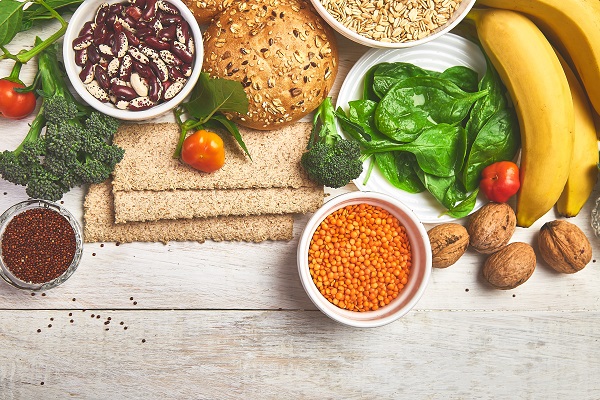
Fiber is an essential nutrient often overlooked when discussing diets for a flatter tummy. It can contribute significantly to weight management and reduction of abdominal fat. Fiber-rich foods tend to be more filling, so individuals are likely to eat less and stay satisfied longer, reducing overall caloric intake.
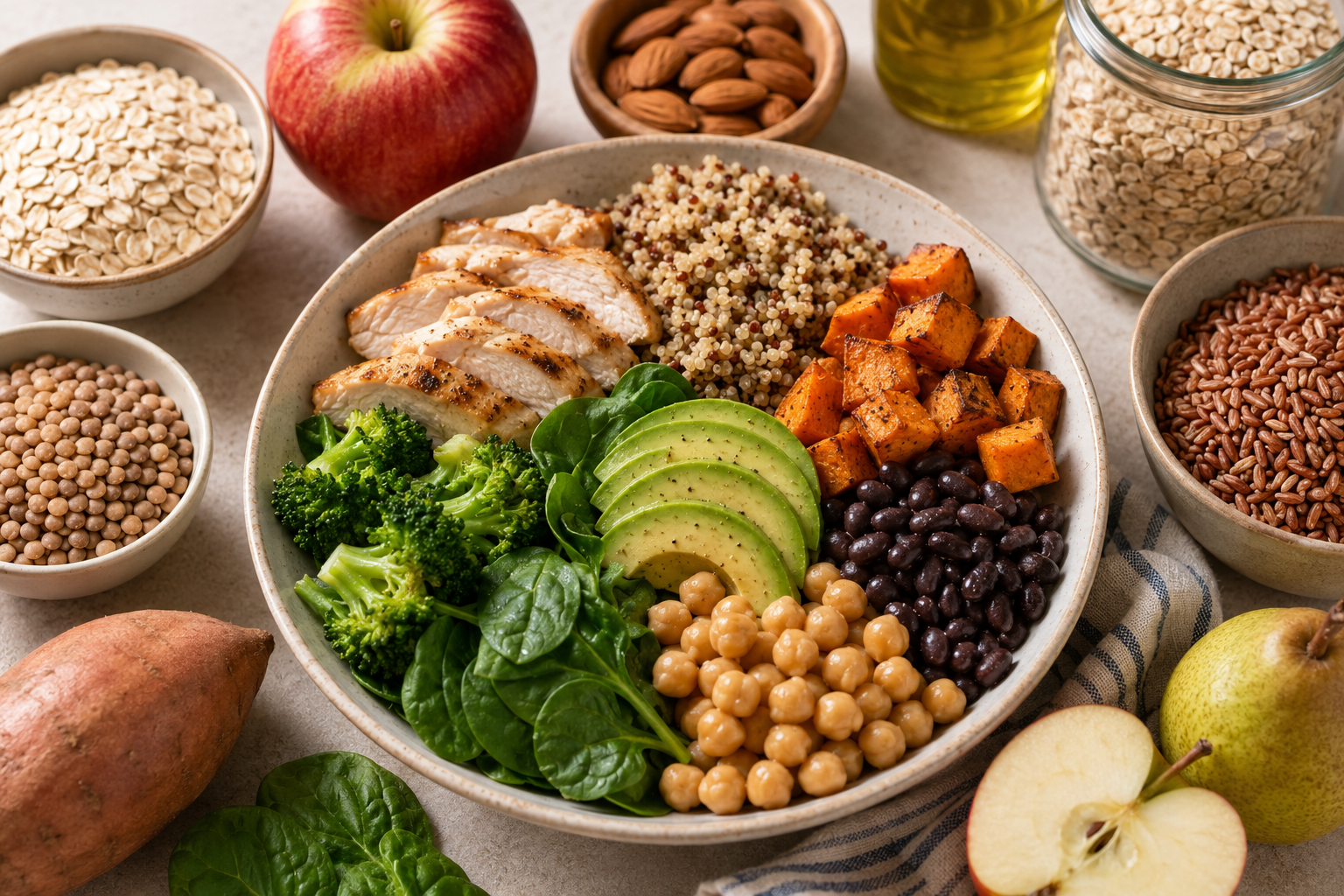
High-fiber foods include whole grains, fruits, vegetables, legumes, and nuts. Incorporating these foods into the diet can help boost fiber intake. Additionally, fiber aids in digestion, preventing digestive issues that can lead to bloating. It also has numerous other health benefits, including improving heart health and helping regulate blood sugar levels.
Limiting Processed Foods And Sugars

An excess intake of processed foods and sugars can lead to weight gain and an increase in abdominal fat. These foods are often high in calories, unhealthy fats, and sugars, while being low in essential nutrients. Consuming them frequently can disrupt the body’s metabolic processes, leading to fat storage, especially around the waistline.
Reducing processed foods and sugars in the diet is a process that requires conscious effort. One effective strategy could be to replace these with whole foods like fruits, vegetables, and whole grains. These whole foods are nutrient-dense and low in calories, contributing to overall health and helping achieve a flatter tummy.
Incorporating Healthy Fats

Contrary to popular belief, not all fats lead to weight gain. In fact, certain types of fats, known as unsaturated fats, can actually be beneficial for weight management and overall health. Monounsaturated and polyunsaturated fats are examples of healthy fats, which can help reduce levels of ‘bad’ LDL cholesterol and increase ‘good’ HDL cholesterol.
Sources of healthy fats include avocados, nuts and seeds, olives, and fatty fish like salmon and mackerel. By replacing unhealthy saturated and trans fats in the diet with these healthier alternatives, individuals can work towards a flatter tummy without sacrificing taste or satisfaction from meals.
Reading Nutrition Labels
Understanding and interpreting nutrition labels can empower individuals to make healthier food choices. These labels provide information about the nutrient content of food, helping to identify foods that are high in saturated fat, sugar, and sodium. Being aware of this information can help steer dietary choices towards foods that contribute to a flatter tummy and better health.
However, reading nutrition labels can be tricky and may require some practice. It’s crucial to look beyond the front-of-pack marketing and delve into the nutrition facts panel and the ingredient list. Taking note of serving sizes and the amount of sugar, sodium, and saturated and trans fats per serving can help make healthier, more informed choices.
Embrace These Healthy Eating Habits Today!
Nutrition is a significant factor that influences body shape, and particularly, the amount of abdominal fat. Healthy eating principles revolving around a balanced diet, controlled portions, adequate protein, and fiber intake, limiting processed foods and sugars, and including healthy fats play a pivotal role in achieving a flatter tummy. Along with this, the ability to read and understand nutrition labels can further assist in making informed dietary choices. Embracing these healthy eating habits promises a path not just towards a flatter tummy, but towards overall health and well-being. Ultimately, the key lies in understanding that there are no shortcuts to achieving lasting results – it requires commitment, consistency, and a balanced approach.