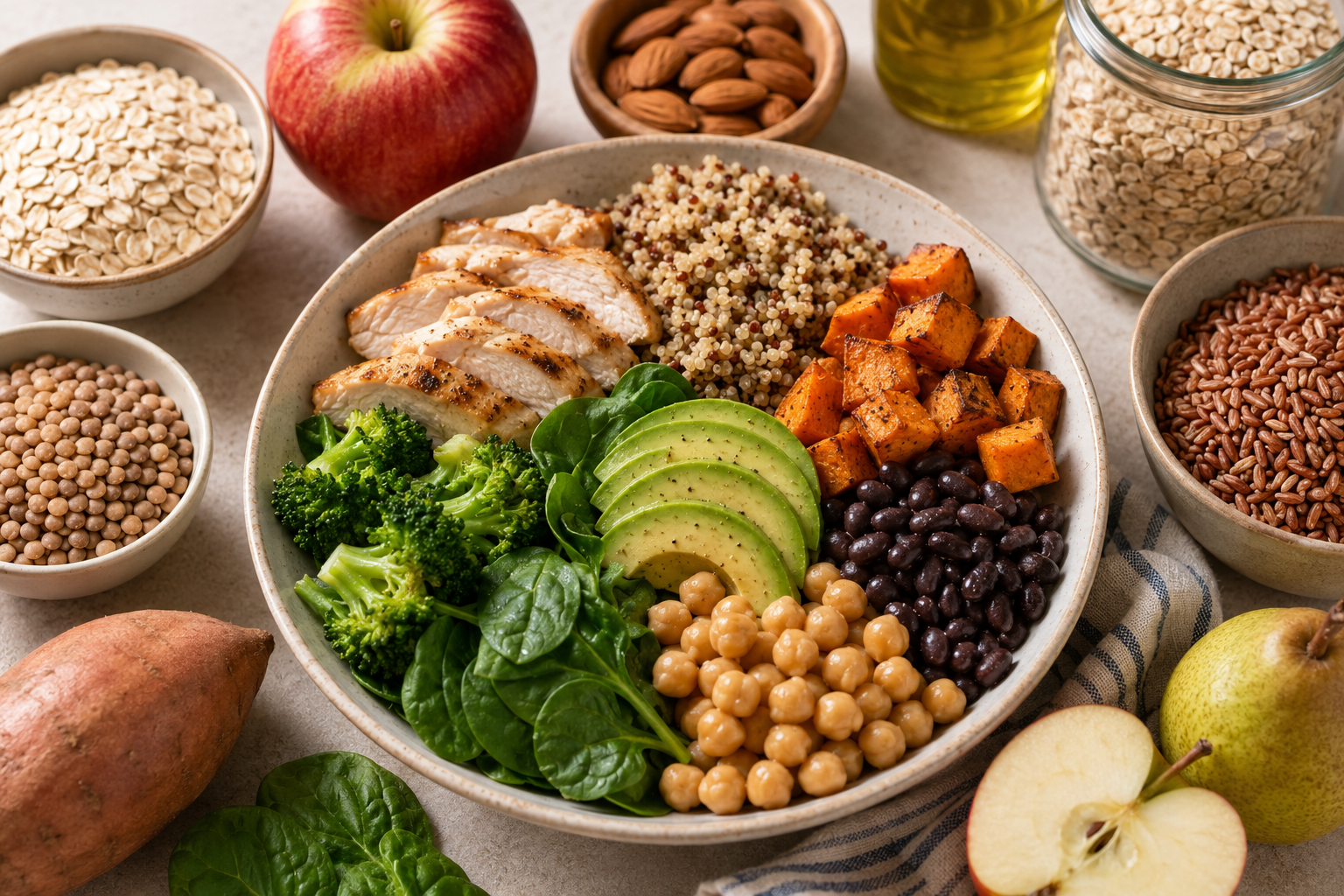
Limit Your Carbs

While extra water weight can result from eating too much salt or not drinking enough water, it can also be caused by eating too many carbohydrates. When your body breaks down carbs, it produces glycogen, which is stored in your muscles and liver. Each gram of glycogen is combined with approximately three grams of water, so eating a lot of carbs can cause your body to retain water.
If you’re looking to lose water weight, cutting back on carbs is a good place to start. Reducing your carb intake will force your body to burn through its glycogen stores, which will help you shed excess water weight. Just be sure to stay hydrated and consume plenty of other nutrients, as cutting carbs can lead to fatigue and other problems if done incorrectly.
Drink More Water

Most people are familiar with the common advice to drink eight glasses of water a day. However, many people don’t realize that drinking water can also help you to lose weight. Although it may seem counter-intuitive, your body can function at its best when you are properly hydrated. This includes burning calories more efficiently. In addition, drinking water can help to reduce bloating and water retention.
Because the body constantly loses water through urine and sweat, it is important to replenish these fluids regularly. Drinking plenty of water throughout the day will help to keep your body operating at peak efficiency and may even help you to lose a few extra pounds.
How To Ensure You Don’t Lose Too Much Water Weight

While the tips above can help you lose water weight healthily, it is important to ensure that you don’t overdo it. Rapid weight loss, especially from water, can lead to health problems such as dehydration and electrolyte imbalances. Therefore, it is crucial to listen to your body and not push yourself too hard. Some signs of losing too much water weight include excessive thirst, dizziness, and dark yellow urine.
If you are trying to lose water weight, it is important to ensure you also get enough calories and nutrients. Rapid weight loss can result in muscle loss and fat, so it is essential to maintain a balanced diet. In addition, make sure to speak with a healthcare professional before making any significant changes to your diet or exercise routine.
Tips To Avoid Dehydration

Finally, it is too common for individuals to become dehydrated while trying to lose water weight. This can be dangerous, and you should avoid it. Some tips for preventing dehydration include:
- Drinking plenty of water throughout the day, even when not exercising
- Incorporating electrolyte-rich foods into your diet, such as coconut water or bananas
- Listening to your body’s signals of thirst and fatigue
- Avoiding excessive caffeine or alcohol
By following these tips, you can stay hydrated while losing excess water weight. Remember, the key is to do it in a safe and healthy way.
There Are Plenty Of Healthy Ways To Lose Water Weight!
Losing water weight can be a great way to feel lighter and more energized. However, it is crucial to do it healthily, but following some of the tips above can help you to do just that. From reducing carb intake to drinking more water, there are many ways to lose excess water weight in a safe and healthy way. Just remember to listen to your body and consult a healthcare professional before making any drastic changes!