

The Danger of Overestimating Fitness Levels
A common mistake among beginners is overestimating their fitness levels when starting cardio exercises. This overestimation can lead to engaging in workouts that are too intense for their current heart condition, increasing the risk of cardiovascular strain or injury. It’s crucial for individuals to have a realistic understanding of their physical capabilities before embarking on any exercise program. This misjudgment often stems from a lack of awareness about the demands of cardiovascular activities on the body. To prevent this, starting with an assessment by a fitness professional or a healthcare provider can be invaluable.
Guidance on assessing fitness levels includes understanding one’s baseline heart rate, endurance capacity, and overall physical strength. Simple tests, such as a brisk walk or a steady jog, can help gauge where one stands in terms of cardiovascular fitness. It’s also essential to consider factors like age, previous exercise experience, and any existing health conditions. Adjusting exercise plans according to these assessments ensures a safer and more effective approach to cardio training. This tailored approach helps in gradually building up endurance and strength, reducing the risk of heart-related complications.
Importance of Gradual Progression

Gradually increasing the intensity and duration of cardio workouts is key to minimizing risks for the untrained heart. This approach allows the heart and the rest of the body to adapt to the increasing demands of exercise. Starting with low-intensity activities, such as walking or light jogging, and slowly building up to more strenuous exercises is recommended. This gradual progression helps in strengthening the heart muscle, improving cardiovascular efficiency, and reducing the likelihood of injury. It’s important for individuals to listen to their bodies and progress at a pace that feels comfortable and sustainable.
Tips for a safe progression in cardio exercises include setting realistic goals, tracking progress, and being patient with one’s improvement. Incorporating a variety of cardio exercises can also prevent overuse injuries and maintain motivation. It’s beneficial to increase the workout duration or intensity by no more than 10% each week. Regular rest days are essential to allow the body to recover and adapt. Seeking advice from fitness professionals can also provide valuable guidance on creating an effective and safe cardio training plan.
Recognizing Warning Signs During Exercise

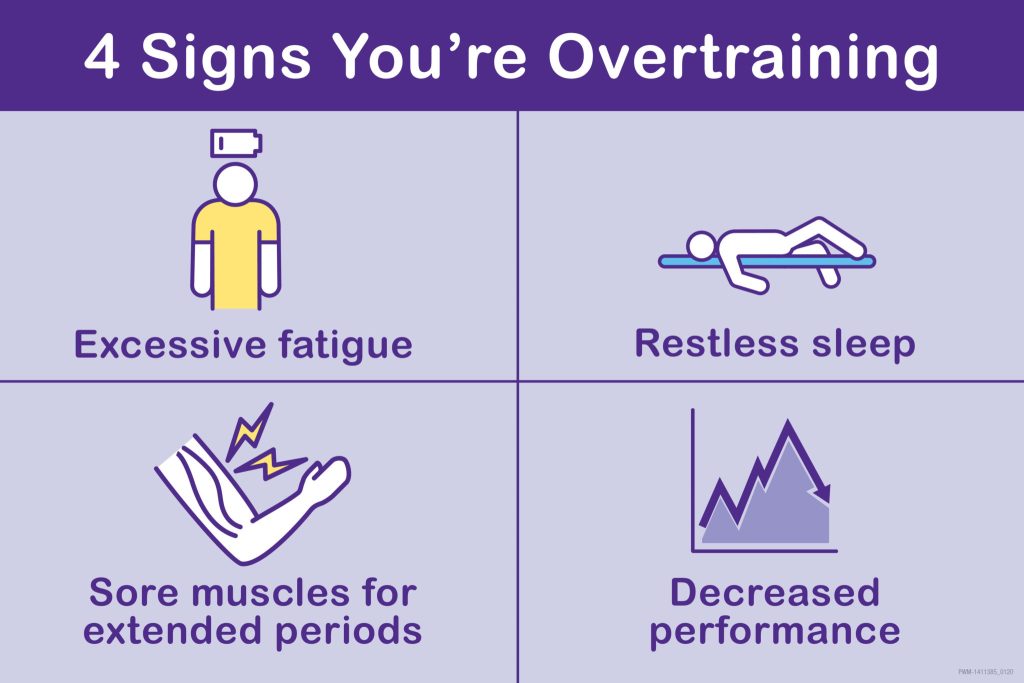
It’s crucial for individuals to be aware of warning signs that indicate their body is under too much strain during cardio exercise. Symptoms such as excessive fatigue, chest pain, severe shortness of breath, lightheadedness, or heart palpitations are red flags. These signs suggest that the cardiovascular system is being pushed beyond its safe limits. Ignoring these symptoms can lead to serious health consequences, including the risk of a heart attack or stroke. Immediate cessation of exercise and seeking medical attention is advised if any of these symptoms occur.
raph - under_second_paragraph -->Other warning signs include irregular heartbeat, excessive sweating, nausea, or extreme muscle weakness. These symptoms can be indicative of overexertion or underlying health issues that need medical evaluation. It’s important for individuals to understand that experiencing mild discomfort during exercise is normal, but pain or severe discomfort is not. Keeping a workout journal to note any unusual symptoms or feelings during exercise can help in identifying patterns and potential issues. Regular check-ups with a healthcare provider can also ensure that one’s exercise regimen is appropriate and safe.
Safe Cardio Practices for Beginners

For beginners, it’s essential to adopt safe cardio practices to protect their untrained hearts. Starting with low-impact exercises, such as walking, swimming, or cycling, is an excellent way to introduce the body to cardiovascular activity. These activities are less strenuous on the heart and reduce the risk of injury. Beginners should focus on maintaining a moderate intensity where they can talk but not sing during the activity. This level of exertion is generally safe and effective for improving cardiovascular health.
Incorporating warm-ups and cool-downs in every workout session is crucial. Warm-ups gradually increase the heart rate and prepare the body for exercise, while cool-downs help in returning the heart rate to normal and reducing muscle stiffness. Proper hydration before, during, and after exercise is also important to maintain blood volume and prevent dehydration, which can stress the heart. Beginners should also pay attention to their body’s signals and rest when needed.
Navigate Your Cardio Journey With Care
While cardio exercises offer numerous health benefits, they come with risks for the untrained heart. Awareness and understanding of these risks are essential for a safe and effective exercise regimen. It’s important to start slowly, recognize your body’s signals, and seek professional guidance when necessary. Remember, the journey to cardiovascular fitness is a gradual process that requires patience and care. Take the first step towards a healthier heart by consulting with a healthcare professional and embarking on your cardio journey with safety and knowledge as your guides.