

Setting a Workout Schedule
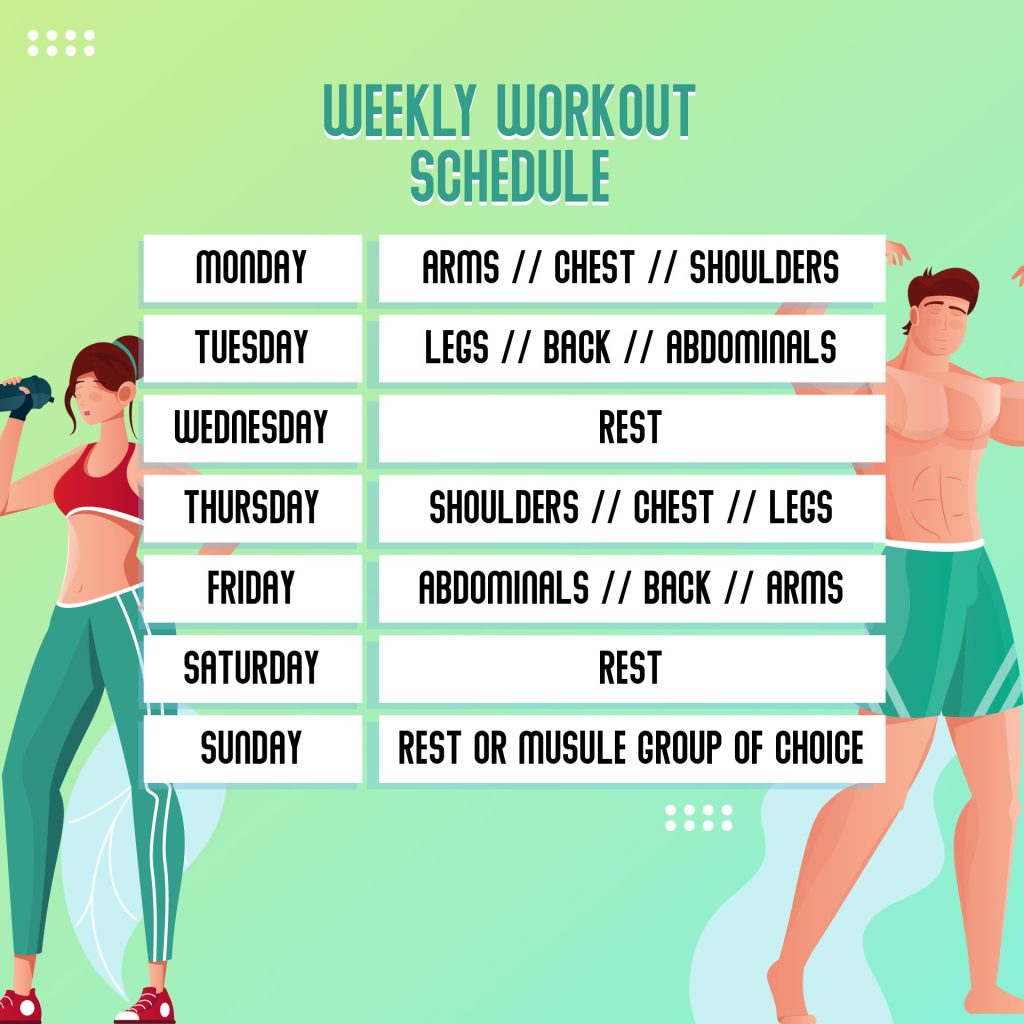
Monitoring your progress is an essential part of any fitness routine. Regularly tracking your workouts, whether through fitness apps, journals, or wearable technology, helps you stay accountable and see tangible results over time. This tracking should not only focus on physical changes but also include performance metrics such as increases in strength, endurance, or improvements in exercise technique. By periodically reviewing your progress, you can identify areas where you are excelling and aspects of your routine that may need adjustments. Furthermore, as your fitness level improves, your routine should evolve to continue challenging your body. This could mean increasing the intensity of your workouts, incorporating new exercises, or adjusting your goals to align with your enhanced capabilities.
Overcoming Challenges and Staying Motivated

Staying motivated and overcoming challenges is a crucial part of maintaining a fitness routine. Common obstacles include time constraints, waning motivation, and dealing with injuries or plateaus. To overcome these, it’s important to have strategies in place, such as setting smaller interim goals, varying your workout routine, or seeking support from fitness communities or personal trainers. Finding activities you enjoy and reminding yourself of the reasons why you started your fitness journey can also help sustain motivation. Additionally, understanding that setbacks are a normal part of any fitness journey is key. Rather than getting discouraged, use these as opportunities to learn and adapt your routine. Maintaining a positive mindset and being adaptable in the face of challenges are essential for long-term fitness success.
Embarking on Your Fitness Journey
From setting clear, achievable goals to understanding the importance of nutrition, each element plays a pivotal role in your journey toward optimal health and fitness. Remember, the path to achieving your fitness aspirations is unique to you. Embrace the process, adjust as needed, and stay committed to your goals. With the right plan in place, your fitness journey is not just a means to an end but a rewarding, ongoing journey towards a healthier, more fulfilling lifestyle.