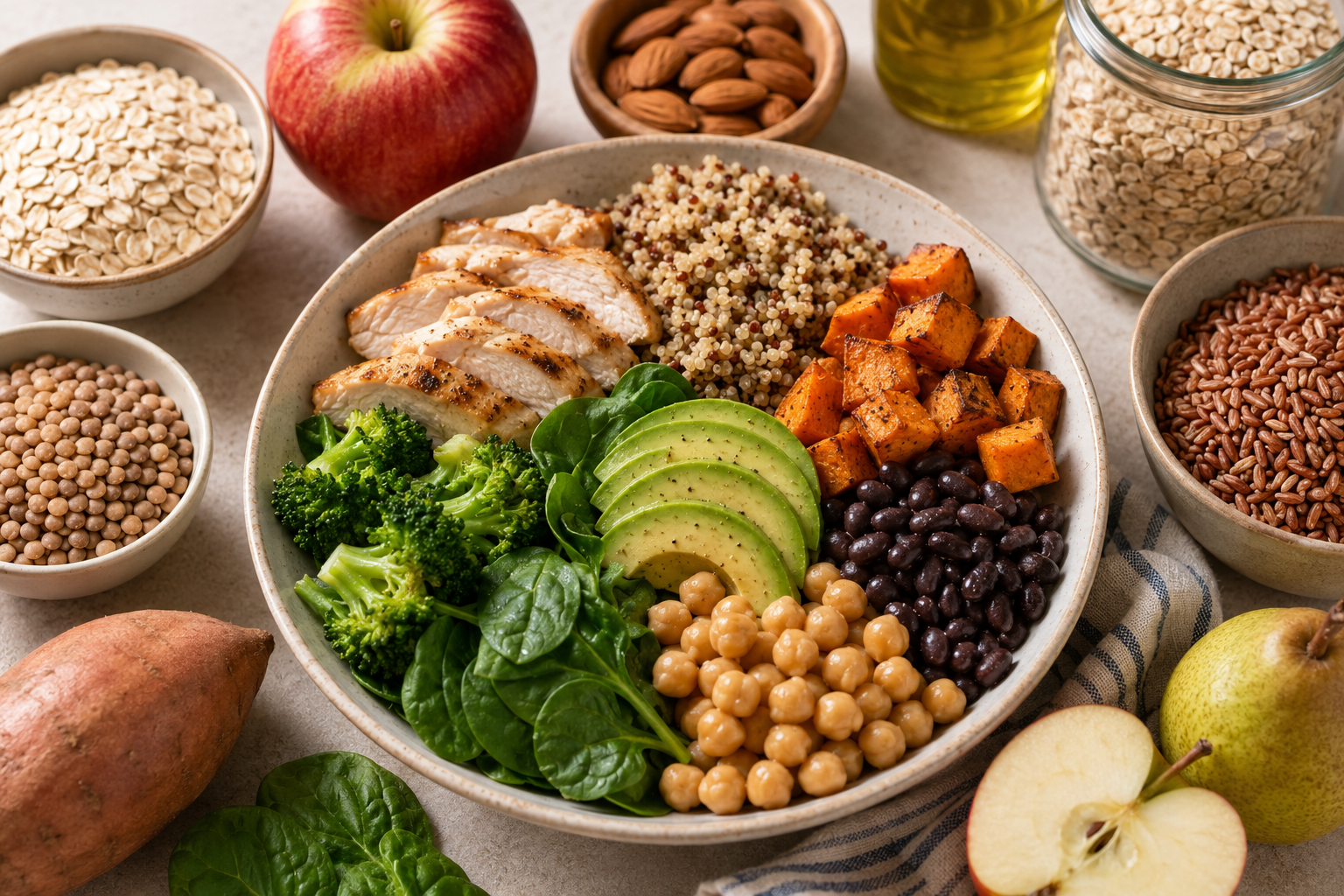

Drink Plenty Of Water

When you’re intermittent fasting, you must ensure you’re getting enough water. Not only will it help keep you hydrated, but it can also help to reduce hunger and cravings. Some people find that they naturally drink more water when they’re fasting, but others may need to make a conscious effort to drink enough. Aim for eight glasses of water per day, and consider adding a squeeze of lemon or a splash of fruit juice to help make it more refreshing.
You can also want to carry a water bottle with you to take small sips throughout the day. By keeping yourself hydrated, you’ll be more likely to stick with your fast and see the health benefits that come with it.
Set A Schedule That Works For You

When it comes to intermittent fasting, there is no one-size-fits-all approach. Instead, you need to find a schedule that works for you and your lifestyle. For some people, that means fasting for 16 hours each day and eating all their meals within an 8-hour window. For others, fasting for 24 hours once or twice a week may mean fasting. The key is to experiment and find what works best for you.
Some people find that they have more energy and focus when fast for longer periods. Others find it easier to stick to their fasting schedule if they allow themselves a smaller window of time to eat each day. There is no right or wrong answer – it all depends on what works best for you. If you’re new to intermittent fasting, starting slowly and gradually increasing the length of your fasting periods is essential, allowing your body time to adjust and avoid unwanted side effects. Once you find a schedule that works for you, stick with it and enjoy the many benefits of intermittent fasting.
Eat Enough When You’re Not Fasting
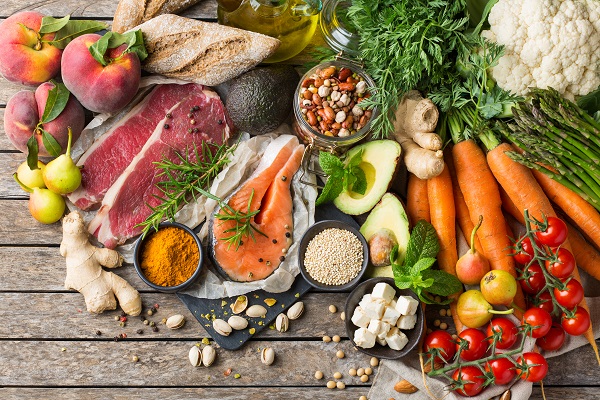
While it is true that you will need to eat fewer calories when fasting, this does not mean that you should completely deprive yourself of food. On the contrary, it is essential to ensure you eat enough calories when you are not fasting, which will help to ensure that your metabolism remains strong and that you do not experience any unwanted side effects. To do this, focus on consuming nutrient-rich foods and moderate amounts of protein, which will help keep your energy levels up and minimize hunger pangs. In addition, you should also make sure you are getting enough fiber, which will help to keep you feeling full and satisfied throughout the day. By eating a balanced diet, you’ll be more likely to stick with your fasting schedule and see the many benefits that come with it.
You’re Ready To Get Started With Intermittent Fasting!
Intermittent fasting is a great way to improve your overall health and well-being. However, you must do it healthily. By following some of the tips listed above, you can be sure that you’re getting started with intermittent fasting correctly. And as with any new diet plan or lifestyle change, be sure to consult with your doctor before getting started. With a bit of planning and patience, you’ll be on your way to reaping the many benefits of intermittent fasting.