Circadian rhythm, the internal clock that dictates sleep-wake cycles, plays a crucial role in overall health and well-being. This intricate system, influenced by environmental cues like light and temperature, regulates various body functions, including sleep. Understanding and optimizing this rhythm can lead to improved sleep quality, better mental health, enhanced productivity, and a stronger immune system. This post delves into practical strategies and insights to align and optimize the circadian rhythm, offering a comprehensive guide for anyone looking to improve their sleep and overall health.
Contents
Understanding Your Natural Sleep-Wake Cycle
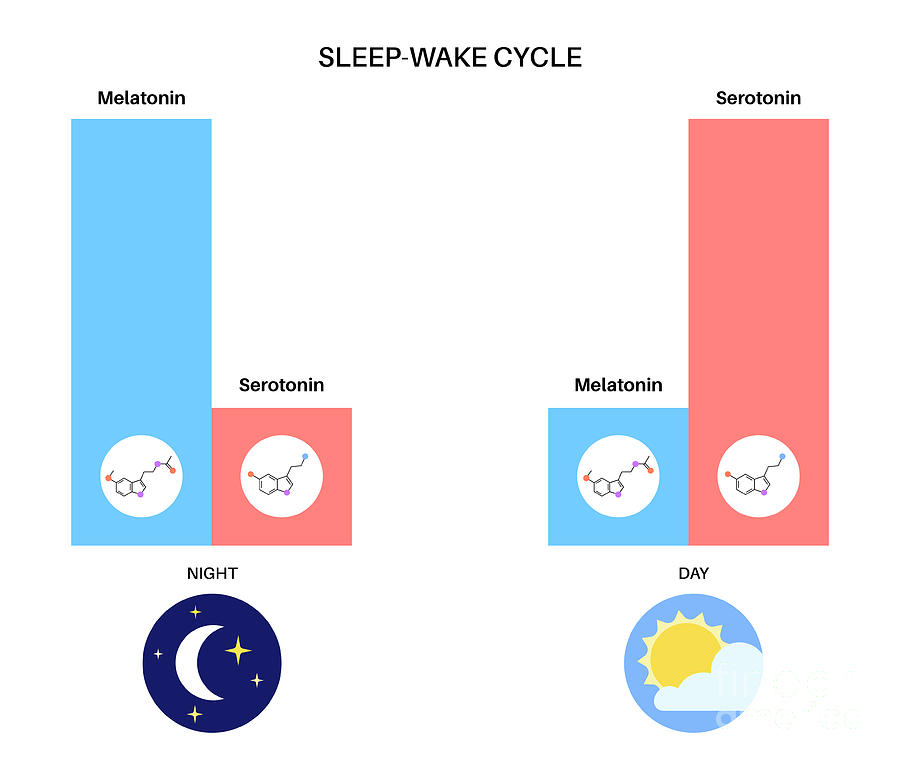
Circadian rhythm, essentially the body’s natural clock, orchestrates various physiological processes, including the sleep-wake cycle. This rhythm, largely driven by the brain’s response to light and dark, dictates when to feel alert and when to feel sleepy. However, modern lifestyles often disrupt this natural cycle, leading to sleep disorders and other health issues. Recognizing the cues that signal the body to sleep or wake up is the first step towards achieving a balanced circadian rhythm.
Disruptions in the circadian rhythm can stem from various factors like irregular sleeping patterns, exposure to artificial light, and lifestyle choices. These disruptions often result in poor sleep quality, daytime drowsiness, and long-term health consequences. By aligning daily routines with the natural circadian rhythm, one can enhance sleep quality and overall health. This alignment involves understanding personal sleep patterns and making adjustments to daily routines, such as consistent wake-up times and exposure to natural light during the day.
The Role Of Light Exposure

Light exposure plays a pivotal role in regulating the circadian rhythm. The body’s internal clock relies heavily on the signals received from light, particularly natural sunlight, to maintain a regular sleep-wake cycle. Exposure to natural light, especially in the morning, signals the brain to stay awake and alert. This helps in resetting the circadian clock daily, leading to more consistent sleep patterns.
On the contrary, excessive exposure to artificial light, especially blue light from screens, can disrupt this natural cycle. The blue light emitted by phones, computers, and televisions tricks the brain into thinking it’s still daylight, inhibiting the production of melatonin, the hormone responsible for sleep. To counteract this effect, limiting screen time in the evening and using devices with blue light filters can be beneficial. Additionally, maintaining a dark, calm sleeping environment encourages the body to enter its natural sleep phase, further optimizing the circadian rhythm.
Diet And Circadian Rhythm

Diet plays a significant role in regulating the circadian rhythm. Eating patterns, including the timing and type of food consumed, can either synchronize or disrupt the body’s internal clock. Consuming a balanced diet at regular intervals aligns with the body’s natural rhythm, promoting better sleep. It’s advisable to avoid heavy meals close to bedtime, as they can cause discomfort and disrupt sleep.
In contrast, irregular eating habits can adversely affect the circadian rhythm. Late-night snacking or consuming caffeine and alcohol close to bedtime can interfere with sleep quality. It’s recommended to establish consistent meal times and opt for light, nutritious food in the evening. This dietary discipline aids in reinforcing a regular sleep-wake cycle, ensuring a restful night’s sleep.
Physical Activity And Sleep Patterns

Regular physical activity is beneficial for maintaining a healthy circadian rhythm. Exercise, particularly when done consistently at the same time each day, can reinforce the natural sleep-wake cycle. Morning exercises, for instance, can boost alertness and energy levels throughout the day, while evening exercises, though not too close to bedtime, can help in winding down and preparing for sleep.
However, timing is key when it comes to exercise and sleep. Vigorous physical activity too close to bedtime can be counterproductive, as it may increase alertness and make it harder to fall asleep. Finding the right balance and timing for exercise can significantly improve sleep quality and align the circadian rhythm, enhancing overall health and well-being.
Creating A Sleep-Inducing Environment

The sleeping environment significantly impacts the ability to fall and stay asleep, directly affecting the circadian rhythm. A bedroom that’s quiet, dark, and cool can considerably improve sleep quality. Investing in comfortable bedding, reducing noise, and maintaining a cool temperature can create an ideal sleep environment. Additionally, minimizing light exposure, especially from screens, in the bedroom is crucial for maintaining the body’s natural sleep-wake cycle.
Consistency in sleep routines also plays a vital role. Going to bed and waking up at the same time every day, even on weekends, can significantly enhance the effectiveness of the circadian rhythm. A regular routine before bed, such as reading or meditation, can signal the body that it’s time to wind down, promoting a quicker and deeper sleep.
Managing Technology For Better Sleep

Technology, while beneficial in many aspects, can have a detrimental effect on sleep. The blue light emitted from screens can disrupt the production of melatonin, the hormone that regulates sleep. Limiting screen time in the hours leading up to bedtime is essential for maintaining a healthy circadian rhythm. If using devices at night is unavoidable, employing settings or apps that reduce blue light can mitigate some of the negative impacts.
Besides light, the content consumed through technology can also affect sleep. Engaging in stimulating or stressful activities on devices can increase alertness, making it more challenging to relax and fall asleep. Establishing a tech-free zone in the bedroom or setting a technology curfew an hour before bed can create a more conducive environment for sleep, aiding in the synchronization of the circadian rhythm.
Stress Management And Relaxation Techniques

Stress and anxiety can disrupt sleep patterns, throwing off the circadian rhythm. Developing stress management techniques is crucial for maintaining a healthy sleep cycle. Relaxation techniques such as deep breathing, yoga, or meditation can reduce stress levels and improve sleep quality. These practices, when incorporated into a nightly routine, can signal the body to relax and prepare for restful sleep.
In addition to relaxation techniques, maintaining a healthy work-life balance and managing daytime stressors are essential for good sleep hygiene. Activities that promote relaxation and decompression, such as reading or taking a warm bath before bed, can significantly improve the ability to fall asleep quickly and enjoy a more restful night.
The Bottom Line
Optimizing the circadian rhythm is a multifaceted approach that involves understanding and aligning with the body’s natural sleep-wake cycle. Adjustments in light exposure, diet, physical activity, and sleep environment, along with effective stress management, can significantly improve sleep quality. Each individual may respond differently to these strategies, so it’s important to experiment and find what works best. Ultimately, prioritizing and fine-tuning these aspects of daily life can lead to better sleep, enhanced health, and improved overall quality of life.