

Circadian rhythm, the internal clock that dictates sleep-wake cycles, plays a crucial role in overall health and well-being. This intricate system, influenced by environmental cues like light and temperature, regulates various body functions, including sleep. Understanding and optimizing this rhythm can lead to improved sleep quality, better mental health, enhanced productivity, and a stronger immune system. This post delves into practical strategies and insights to align and optimize the circadian rhythm, offering a comprehensive guide for anyone looking to improve their sleep and overall health.
Understanding Your Natural Sleep-Wake Cycle
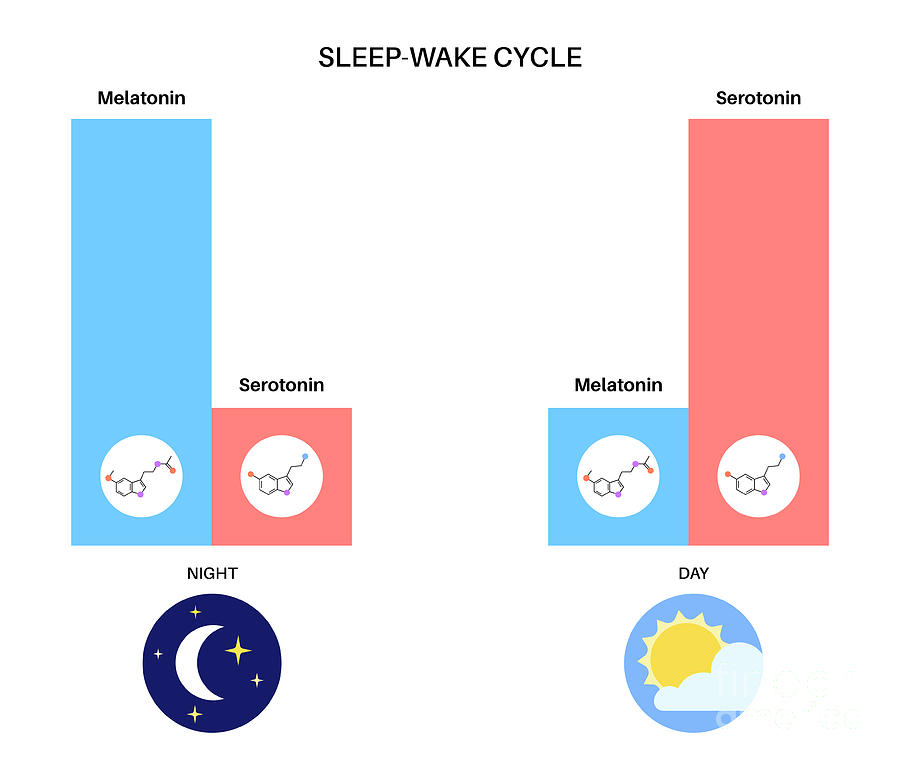
Circadian rhythm, essentially the body’s natural clock, orchestrates various physiological processes, including the sleep-wake cycle. This rhythm, largely driven by the brain’s response to light and dark, dictates when to feel alert and when to feel sleepy. However, modern lifestyles often disrupt this natural cycle, leading to sleep disorders and other health issues. Recognizing the cues that signal the body to sleep or wake up is the first step towards achieving a balanced circadian rhythm.
Disruptions in the circadian rhythm can stem from various factors like irregular sleeping patterns, exposure to artificial light, and lifestyle choices. These disruptions often result in poor sleep quality, daytime drowsiness, and long-term health consequences. By aligning daily routines with the natural circadian rhythm, one can enhance sleep quality and overall health. This alignment involves understanding personal sleep patterns and making adjustments to daily routines, such as consistent wake-up times and exposure to natural light during the day.
The Role Of Light Exposure

Light exposure plays a pivotal role in regulating the circadian rhythm. The body’s internal clock relies heavily on the signals received from light, particularly natural sunlight, to maintain a regular sleep-wake cycle. Exposure to natural light, especially in the morning, signals the brain to stay awake and alert. This helps in resetting the circadian clock daily, leading to more consistent sleep patterns.
On the contrary, excessive exposure to artificial light, especially blue light from screens, can disrupt this natural cycle. The blue light emitted by phones, computers, and televisions tricks the brain into thinking it’s still daylight, inhibiting the production of melatonin, the hormone responsible for sleep. To counteract this effect, limiting screen time in the evening and using devices with blue light filters can be beneficial. Additionally, maintaining a dark, calm sleeping environment encourages the body to enter its natural sleep phase, further optimizing the circadian rhythm.
Diet And Circadian Rhythm

Diet plays a significant role in regulating the circadian rhythm. Eating patterns, including the timing and type of food consumed, can either synchronize or disrupt the body’s internal clock. Consuming a balanced diet at regular intervals aligns with the body’s natural rhythm, promoting better sleep. It’s advisable to avoid heavy meals close to bedtime, as they can cause discomfort and disrupt sleep.
In contrast, irregular eating habits can adversely affect the circadian rhythm. Late-night snacking or consuming caffeine and alcohol close to bedtime can interfere with sleep quality. It’s recommended to establish consistent meal times and opt for light, nutritious food in the evening. This dietary discipline aids in reinforcing a regular sleep-wake cycle, ensuring a restful night’s sleep.