Improved Insulin Sensitivity

When it comes to the insulin sensitivity of your cells, intermittent fasting can also be beneficial. Consuming large meals and snacks throughout the day can lead to spikes in insulin levels, which is associated with an increased risk of obesity and other metabolic diseases. However, by engaging in regular periods of fasting, you allow your insulin levels to return to normal, improving your overall health and well-being.
Furthermore, studies have also shown that intermittent fasting can improve blood sugar control and even reverse diabetes in some cases. This is due to the increased sensitivity of cells to insulin and reduced inflammation caused by this dietary approach.
Improve Gut Health

By giving the digestive system a break from continuous digestion, intermittent fasting allows for the repair and regeneration of the gut lining. A healthy gut can improve nutrient absorption, reduce inflammation, and even boost immune function. And when your gut is in good shape, weight loss becomes easier to achieve.
With improved digestion and fewer cravings, you’ll be more likely to stick to a healthier diet and stay on track toward your weight loss goals. So, if you’re looking to overhaul your health and wellness, consider giving intermittent fasting a try. Your gut (and waistline) will thank you.
Increase Energy Levels

By restricting the hours in which you eat, intermittent fasting allows your body to enter a state of ketosis, in which it burns stored fat for energy instead of relying on constantly consumed glucose. This switch to using fat for energy can lead to improved energy levels, as well as increased mental clarity and focus. And when you feel better and more energized, staying motivated is easier, making the weight loss process that much smoother.
For instance, by consuming more high-fat, low-carb meals, you can ensure that your body stays in a state of ketosis for the majority of the day. This provides plenty of energy to fuel your daily activities, allowing you to stay on track and reach your fitness goals faster.
Tips For Getting Started With Intermittent Fasting

With all those advantages waiting for you, you may wonder how to start intermittent fasting. Here are a few tips:
- Start slowly – Don’t go straight into a strict dieting plan. Ease into it by gradually reducing your meal sizes and increasing the time between meals.
- Have a plan – Set yourself up for success by setting specific goals and sticking to a schedule. This helps you stay focused while dieting.
- Drink plenty of water – Staying hydrated during intermittent fasting is key for eliminating toxins from the body and maintaining energy levels.
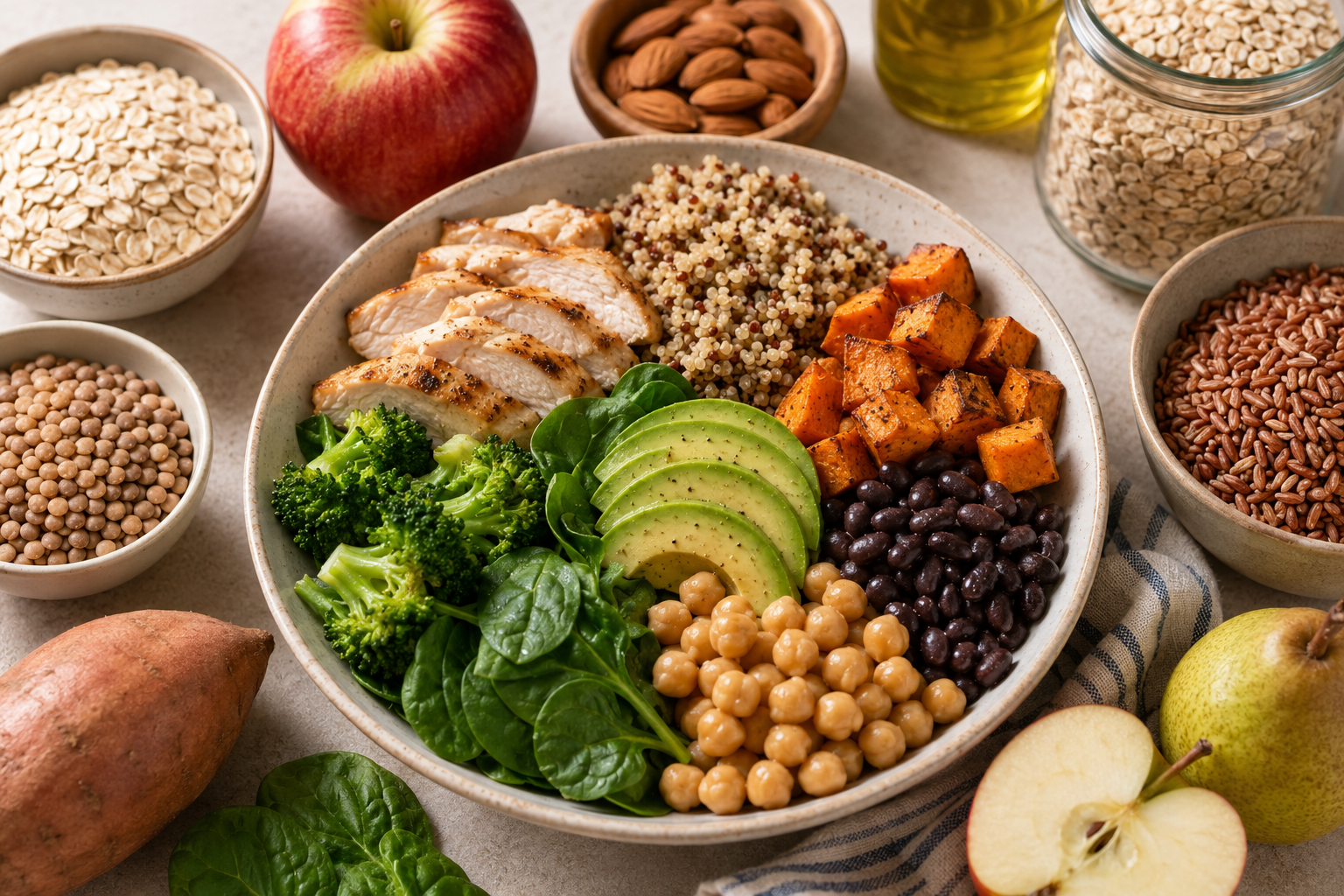
- Eat nutrient-rich foods – Consume adequate amounts of protein, healthy fats, and complex carbohydrates to provide your body with the essential nutrients it needs.
- Track your progress – Keeping track of your weight loss or other health markers can help you stay motivated and ensure you’re on the right track.
By following these tips, you can get started on a successful intermittent fasting journey toward improved health and weight loss.
Enjoy The Benefits Of Intermittent Fasting!
The benefits of intermittent fasting for weight loss are hard to ignore. Not only can it help you lose weight, but it can also provide improved energy levels and mental clarity, as well as better gut health, further aiding in your health goals. That being said, intermittent fasting is not a one-size-fits-all approach to weight loss. Everyone’s body is different and may respond differently to this type of dieting strategy. It’s important to talk to your doctor before making any significant changes to your diet or lifestyle.