

Hydration And Muscle Performance

Hydration is a key, yet often overlooked, element in muscle performance and growth. Adequate fluid intake is essential for maintaining optimal blood volume, regulating body temperature, and ensuring the efficient transport of nutrients to muscles. For athletes and those engaged in regular training, staying hydrated is crucial to maximize performance and aid in recovery. Water supports metabolic functions and nutrient transfer within the body, directly impacting muscle growth.
Guidelines for fluid intake vary depending on individual needs and exercise intensity, but a general rule is to drink water before, during, and after exercise. Dehydration can lead to decreased strength, reduced endurance, and a longer recovery time. It’s recommended to drink water throughout the day, not just during workouts, to maintain a consistent level of hydration. Additionally, including electrolytes in beverages post-workout can help restore any imbalances caused by sweating.
Supplements And Muscle Building
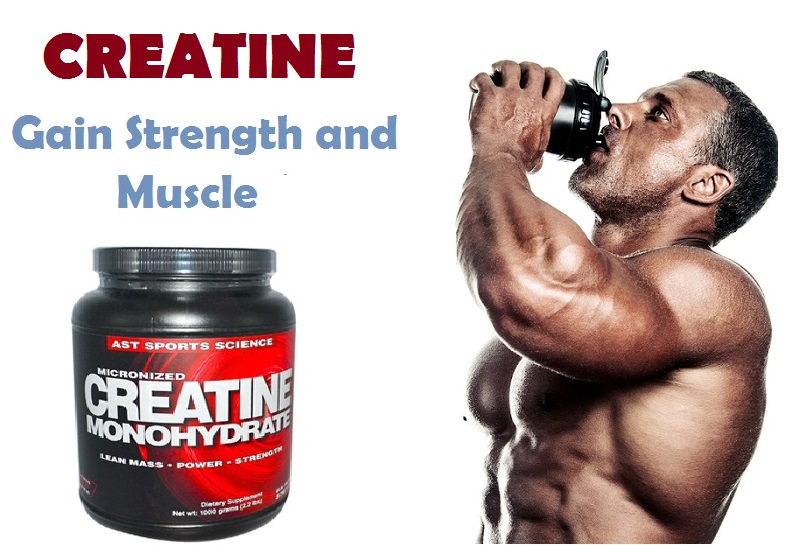
The world of supplements can be overwhelming, with various products claiming to boost muscle growth. Common supplements include whey protein, creatine, and branched-chain amino acids (BCAAs). Whey protein is popular for its high-quality protein and amino acids, aiding in muscle repair post-workout. Creatine, known for increasing strength and muscle mass, improves performance in short, high-intensity exercises.
However, supplements are not necessary for everyone. They should complement, not replace, a balanced diet. The decision to use supplements depends on individual dietary needs, goals, and the type of training being undertaken. It’s crucial to research and choose supplements that are safe, effective, and suit one’s specific requirements. Consulting a healthcare professional or a dietitian before starting any supplement regimen is always advisable.
Balancing Calories For Muscle Gain And Fat Loss
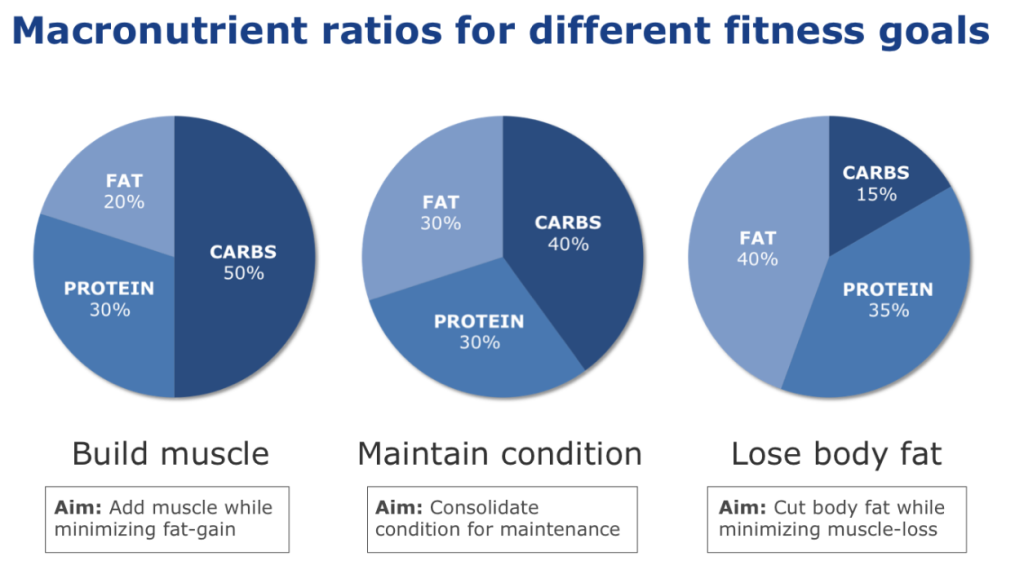
Achieving muscle growth often requires a caloric surplus, meaning consuming more calories than burned. This surplus provides the energy needed for building muscle. However, it’s important to manage this surplus to ensure that the weight gained is primarily muscle, not fat. A balanced approach to calorie intake, focusing on nutrient-dense foods rather than simply increasing caloric intake, is key.
iv>Creating a balanced meal plan involves a mix of proteins, carbohydrates, and fats, tailored to individual energy needs and workout intensity. It’s not just about the quantity of food but also the quality. Nutrient-rich foods support overall health while contributing to muscle gain. Regular monitoring of body composition can help adjust the diet as needed, ensuring a healthy balance between muscle gain and fat management.
Overcoming Plateaus In Muscle Growth: Advanced Nutritional Strategies

Plateaus in muscle growth are common, and dietary adjustments can be a solution. When progress stalls, assessing and modifying the diet can reignite muscle growth. This might include increasing protein intake, adjusting the ratio of macronutrients, or incorporating new foods to provide different nutrients.
Advanced nutritional tactics like carb cycling, where carbohydrate intake is varied based on workout days, can be effective for experienced athletes. Intermittent fasting is another strategy that some find beneficial for muscle growth and fat loss. These approaches require a deep understanding of nutrition and should be undertaken with caution. It’s often beneficial to seek guidance from a nutrition professional when experimenting with these advanced dietary strategies.
The Bottom Line
Nutrition is a fundamental component in the pursuit of muscle growth. It involves more than just consuming the right foods; it’s about understanding the balance of macronutrients, the role of micronutrients, the importance of meal timing, and the significance of hydration. Supplements can be beneficial but are not essential for everyone. Each individual’s journey is unique, and dietary needs vary depending on body type, goals, and level of physical activity. A successful muscle-building strategy combines a well-planned diet with regular exercise and a healthy lifestyle. Remember, the key to muscle growth lies not just in the gym but also on the plate.