
Micronutrient Sources
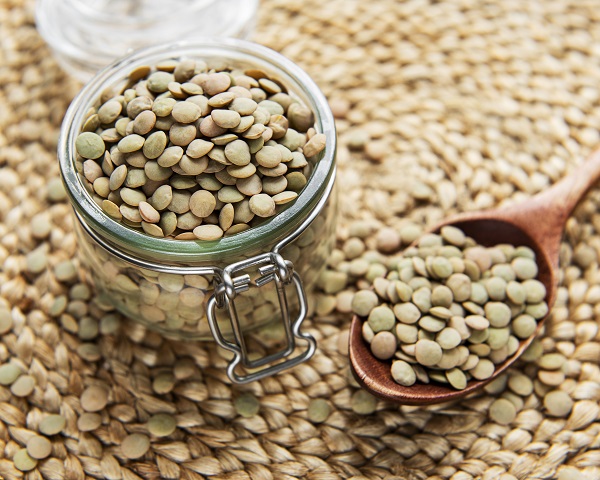
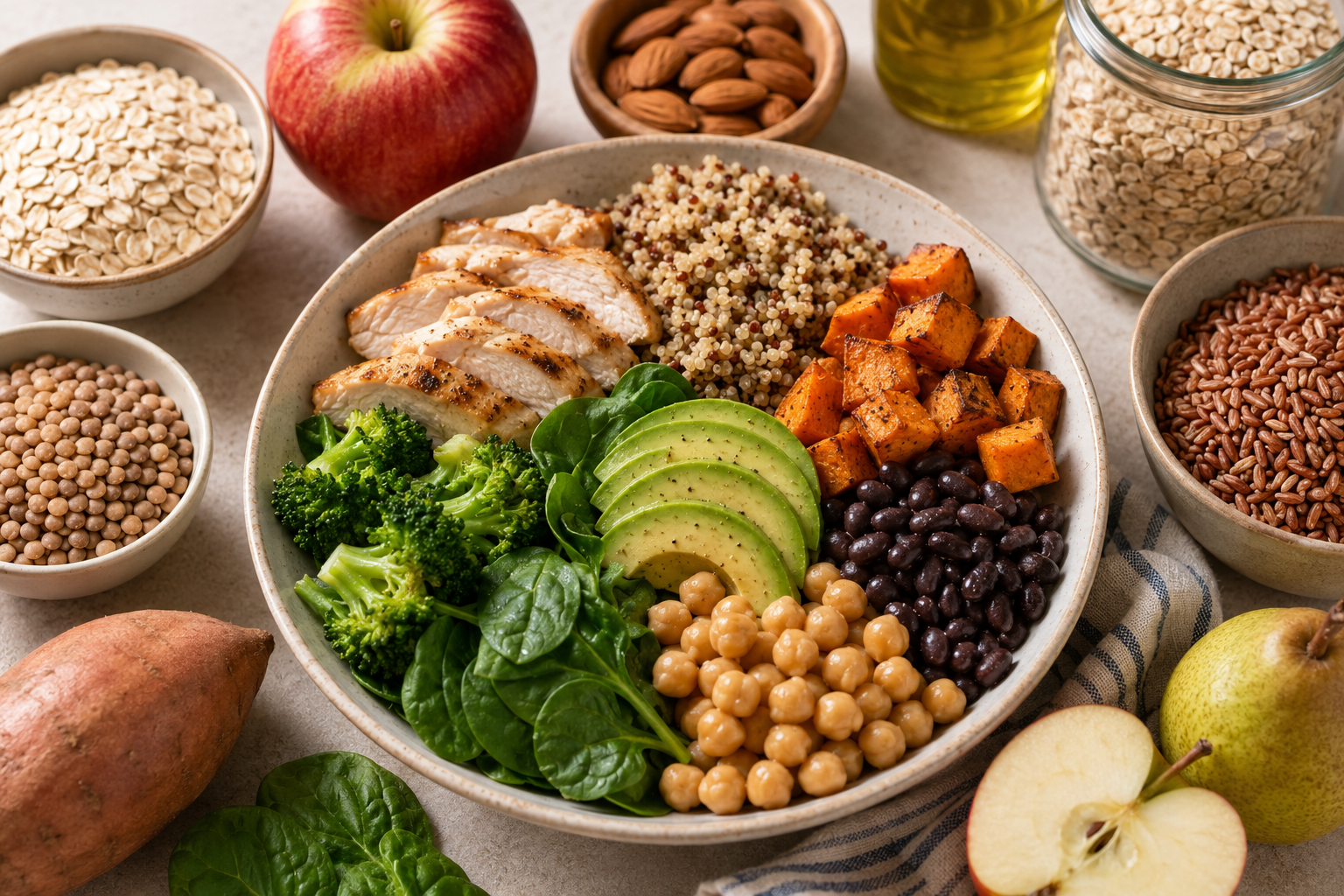
A variety of food sources can supply the micronutrients the body needs. For vitamins, fruits and vegetables are excellent sources of vitamins A, C, and K, while B vitamins can be found in whole grains, beans, peas, and lentils, and vitamin D is obtained from fatty fish and fortified dairy products. For minerals, dairy products are high in calcium, meat and beans provide iron, and bananas are known for their potassium content.
The key to ensuring a comprehensive micronutrient intake lies in a diverse and balanced diet. Consuming a wide variety of foods, including fruits, vegetables, whole grains, lean proteins, and healthy fats, can help provide all the essential vitamins and minerals. However, factors like dietary restrictions, health conditions, and age might affect an individual’s ability to obtain or absorb these nutrients from food alone. In such cases, a healthcare provider might recommend supplements to meet the micronutrient requirements.
Micronutrient Deficiency And Its Impact

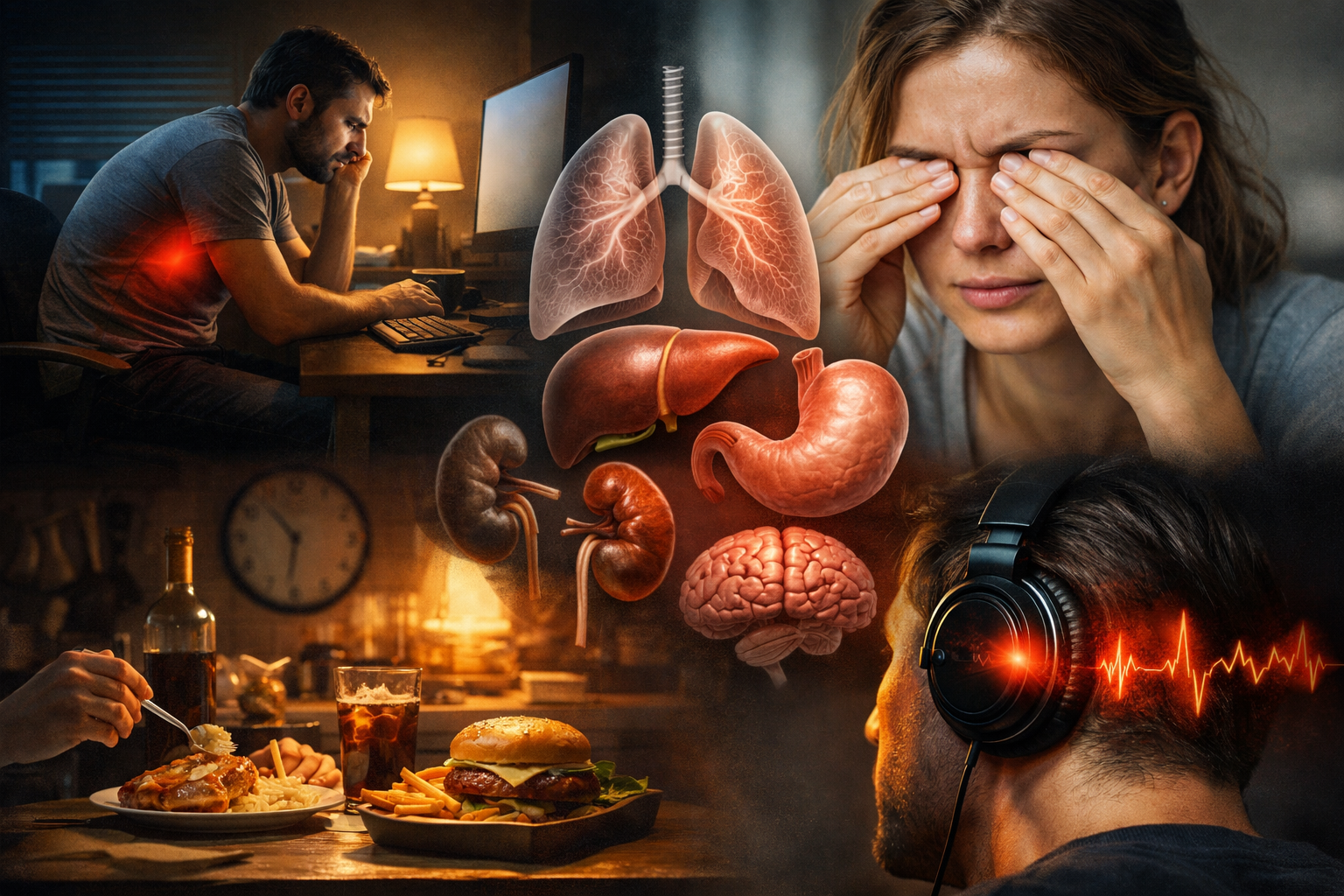
Despite the abundance of nutrient-rich foods, micronutrient deficiencies remain a global public health concern affecting both developing and developed nations. These deficiencies can have serious consequences, particularly in vulnerable populations such as children and pregnant women. Iron deficiency, for instance, can lead to anemia, impairing cognitive and physical development in children and increasing the risk of complications in childbirth. Vitamin A deficiency is a leading cause of preventable blindness in children, while a lack of iodine can lead to developmental delays and goiter.
Certain populations are more at risk of micronutrient deficiencies. These include individuals with dietary restrictions, such as vegans or those with food allergies, and people with certain health conditions that affect nutrient absorption, such as Crohn’s disease or celiac disease. Moreover, older adults might have difficulties obtaining or absorbing certain nutrients due to changes in metabolism and dietary habits. Addressing micronutrient deficiencies often involves dietary modifications, fortification of foods, or supplementation as recommended by healthcare professionals.
Supplements Vs. Food Sources

While a balanced and varied diet should ideally provide all the micronutrients required, certain circumstances might warrant the use of supplements. Individuals with specific dietary patterns or restrictions, certain health conditions, or those who are pregnant might need supplements to meet their micronutrient needs. It’s important to note that supplements are intended to fill nutritional gaps and should not replace a healthy diet. They come with their own set of pros and cons, and their use should be discussed with a healthcare provider.
Consuming micronutrients from food has several advantages. Foods often contain a mix of micronutrients in forms that the body can absorb well. Moreover, they come with additional benefits like fiber, which aids digestion, and various phytochemicals, which can contribute to overall health. It’s important to remember that while supplements can help meet micronutrient needs, they cannot replicate all the benefits of consuming nutrient-rich foods.
The Bottom Line
Understanding micronutrients—their roles, sources, balance, and potential deficiencies—is an integral part of maintaining optimal health. Micronutrients, although needed in small quantities, have a profound impact on numerous bodily functions. While obtaining these micronutrients from a diverse and balanced diet is ideal, certain circumstances may necessitate the use of supplements. It’s always recommended to consult with a healthcare provider to ascertain individual micronutrient needs and the best methods to achieve them. After all, when it comes to nutrition, one size does not fit all.