
Almonds
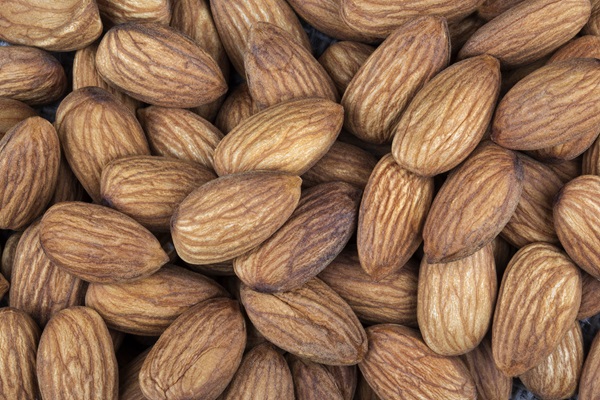
The humble almond, when wearing the ‘organic’ badge, conjures an image of wholesome, guilt-free indulgence. Organic almonds are indeed free from synthetic pesticides, but this does not mean they are cultivated in an idyllic, pastoral vacuum. Almond trees require a significant amount of water, which becomes a contentious issue in regions plagued by drought. The stress on water resources raises questions about the sustainability of organic almond production, suggesting that the environmental cost might be higher than what the organic label implies.
Pollination presents another dilemma in the production of organic almonds. The requirement for natural pollination means a heavy reliance on bee populations, which are often transported across long distances to meet the demands of large-scale organic almond farms. This migration is stressful and potentially harmful to the bees, leading to concerns about the impact of organic farming on bee health. Thus, the organic almond, while free from certain chemical exposures, is embroiled in ecological and ethical concerns that challenge its clean image.
Rice
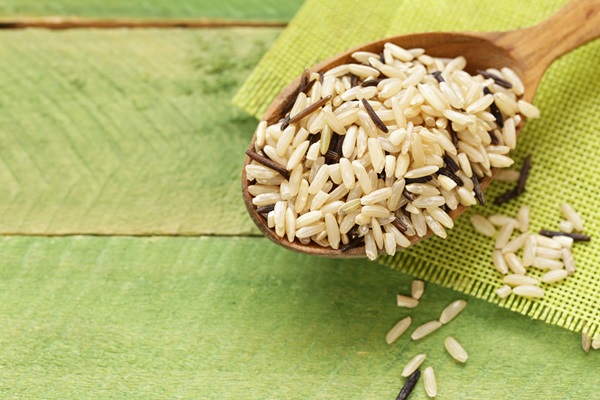
Regarding rice, the organic variety is often perceived as the uncontaminated choice for health-conscious individuals. It is widely believed to be free from the interference of synthetic chemicals and grown in harmony with nature. However, organic rice paddies can still be a source of naturally occurring contaminants such as arsenic. The soil and water used to flood rice fields can contain arsenic, which rice plants readily absorb regardless of their organic status. This raises important questions about the implications of consuming organic rice and the true definition of ‘clean’ food.
Moreover, organic rice farming practices face the issue of water management. The traditional flooding of rice paddies is a water-intensive practice, and while it’s essential for controlling weeds in organic fields, it also creates environmental concerns. Significant water usage can lead to habitat destruction and reduced water available for other uses. Even as organic rice stands as a symbol of healthy eating, the environmental cost of its production is a complexity that consumers must navigate.
Spinach
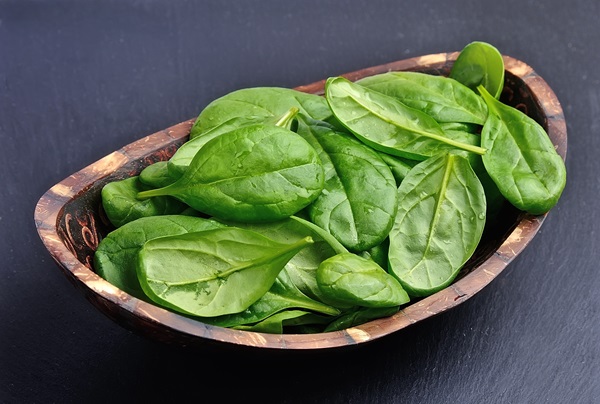
Spinach, the leafy green powerhouse, is often purchased in its organic form by those looking to steer clear of chemical residues. Its vibrant, deep green leaves are packed with nutrients, and without synthetic pesticides, it’s assumed to be the cleaner option. However, the absence of synthetic chemicals doesn’t mean organic spinach is immune to contamination. Organic spinach can still be exposed to pathogens, especially when using natural fertilizers. The reality of organic spinach cultivation includes measures to counter these issues, but they do not always guarantee a completely ‘clean’ product.
c - wp_under_second_paragraph - under_second_paragraph -->The pest management challenges in organic spinach cultivation further complicate its clean image. Farmers often must employ more labor-intensive practices to protect crops from insects and disease. These methods, while avoiding synthetic pesticides, can still impact the ecosystem and do not always align with the simplistic, clean, and green image of organic produce. Consumers drawn to the organic label on spinach for its presumed purity might need to consider the broader implications of its cultivation.
Potatoes

Organic potatoes, a kitchen staple, are often selected by consumers for what they hope is a cleaner eating experience. Grown without synthetic herbicides and pesticides, these tubers should ideally be less contaminated than their conventional counterparts. However, organic potatoes are not without their issues. They are susceptible to the same pests and diseases as conventionally grown potatoes and thus require alternative plant protection. These can include natural pesticides, which, although deemed organic, may carry their own environmental and health impacts.
Moreover, the pressure to maintain a certain aesthetic standard for organic potatoes can lead to practices at odds with the concept of ‘clean’ food. To combat the common scab and other blemishes, organic farmers might resort to measures as intensive as those used in conventional farming. The assumption that organic potatoes are cleaner and purer is thus a misconception that doesn’t account for the complexities and compromises involved in organic agriculture.
The Bottom Line
Navigating the organic food landscape is far from straightforward. The deep dive into some of the most commonly consumed organic foods reveals a complex picture where ‘organic’ does not always equate to ‘clean.’ From apples to honey, each product carries its own set of challenges, environmental impacts, and misconceptions about its purity. Consumers are encouraged to look beyond the organic label and consider the intricate factors that define the cleanliness of their food. As the demand for organic products continues to grow, it is crucial to have a comprehensive understanding of what these practices entail and the real cost of the food we deem clean.