

Sample High-Protein Meal Plan For Weight Loss

Planning your meals can make incorporating high-protein foods into your diet easier. Here’s a sample one-day meal plan:
- Breakfast: Scrambled eggs with spinach and whole grain toast.
- Lunch: Grilled chicken salad with a variety of colorful vegetables.
- Afternoon Snack: Greek yogurt with a handful of almonds.
- Dinner: Baked salmon with quinoa and steamed broccoli.
- Evening Snack: Cottage cheese with sliced peaches.
Remember, this is just a sample. Feel free to swap out any foods you don’t like and replace them with other high-protein options you enjoy.
Plant-Based Protein Sources for Vegetarians and Vegans

There are plenty of plant-based proteins to choose from. Lentils, chickpeas, tofu, tempeh, and edamame are all protein-rich. Vegetarians and vegans can also reap the power of protein for weight loss.
As with any diet, variety is key to getting a wide range of nutrients. Whole grains like quinoa and amaranth are also excellent sources of protein. Nuts, seeds, and vegetables like spinach and broccoli can also contribute to your daily protein intake.
Protein Supplements: Are They Necessary?

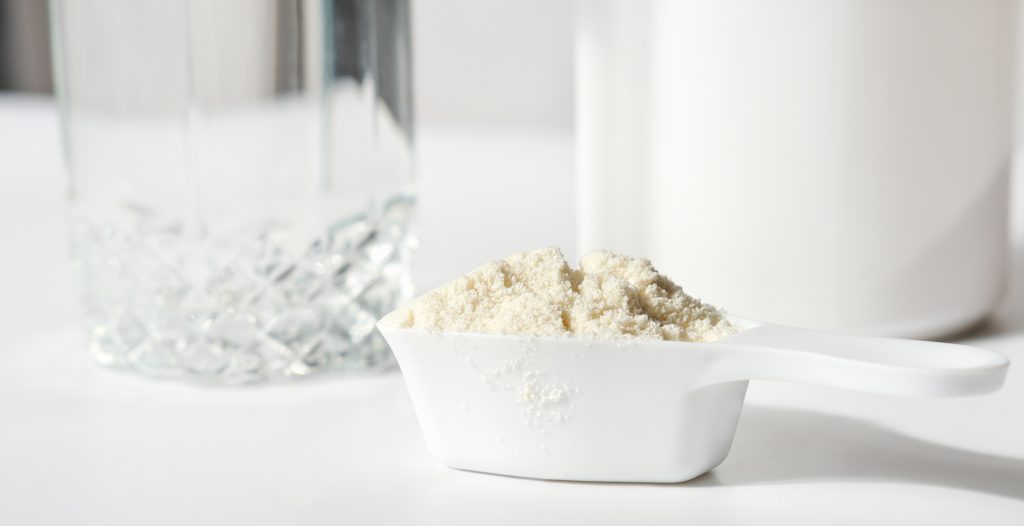
While protein supplements can be a convenient way to boost your protein intake, they are unnecessary for everyone. If you can meet your protein needs through food, that’s the ideal route, as whole foods offer additional nutrients that supplements typically lack.
However, supplements can be beneficial in certain circumstances. For example, a protein supplement might be a good option if you’re very active, have difficulty meeting your protein needs because of dietary restrictions, or have a busy lifestyle that doesn’t always allow for full meals. Before starting any supplement regimen, consult a healthcare professional or registered dietitian.
Combating Common Myths About Protein And Weight Loss
Several misconceptions surrounding protein consumption can hinder your weight loss efforts if not clarified. One such myth is that a high-protein diet can cause harmful effects like kidney damage in healthy individuals. While excessive protein intake can harm people with existing kidney conditions, research shows that a higher protein intake does not affect kidney function in healthy individuals. Therefore, a well-planned high-protein diet can safely be part of a weight loss strategy for most people.
Another common misconception is that all proteins are created equal. The truth is the quality and source of protein matter. For instance, proteins from whole foods come packed with other essential nutrients and fibers, which are crucial for overall health and weight management. On the other hand, processed meats, although high in protein, also contain unhealthy fats and additives. Therefore, choosing high-quality protein sources balanced with other macronutrients is key to a healthy, weight-loss-friendly diet.
The Power Of Protein In Weight Loss
As we’ve explored, protein is a potent ally in the quest for weight loss. It keeps us feeling full, helps to increase our metabolism, and aids in muscle repair and growth. By incorporating a variety of high-protein foods into our diets and pairing this with regular exercise, we can harness the power of protein for effective weight management. Remember, balance is key, and while protein is important, so are carbohydrates, fats, and a colorful array of fruits and vegetables. Here’s to harnessing the power of protein and achieving your weight loss goals!