Scientific Evidence Supporting Probiotics And Prebiotics

Numerous studies point toward the health-enhancing effects of probiotics and prebiotics. For example, certain probiotics have been found to alleviate symptoms of irritable bowel syndrome (IBS) and inflammatory bowel disease (IBD). Conversely, prebiotics have been linked with improved digestion, better nutrient absorption, and a stronger immune response.
There’s also fascinating research on the role of probiotics and prebiotics in mental health, stemming from the gut-brain axis – the communication pathway between your gut and brain. Certain probiotics, known as ‘psychobiotic’, have shown promise in managing mood disorders such as anxiety and depression. While it’s essential to note that research is ongoing, the evidence so far highlights the potential benefits of incorporating probiotics and prebiotics into your diet.
Precautions And Considerations

Despite their promising benefits, it’s important to approach probiotics and prebiotics cautiously. Most people can consume them safely through foods, but supplements, particularly at high doses, may cause side effects like bloating and stomach upset.
Moreover, certain individuals, like those with weakened immune systems or critical illness, may experience more severe complications. Always consult a healthcare provider before starting a new supplement regimen, especially if you have a health condition. It’s also vital to remember that while probiotics and prebiotics can support gut health, they’re not a substitute for a balanced diet and healthy lifestyle.
Incorporating Probiotics And Prebiotics Into Your Diet
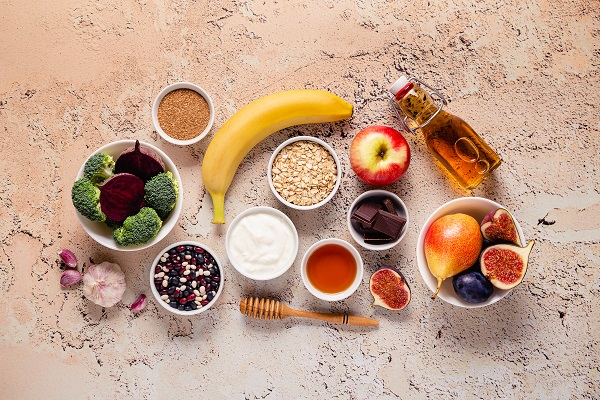
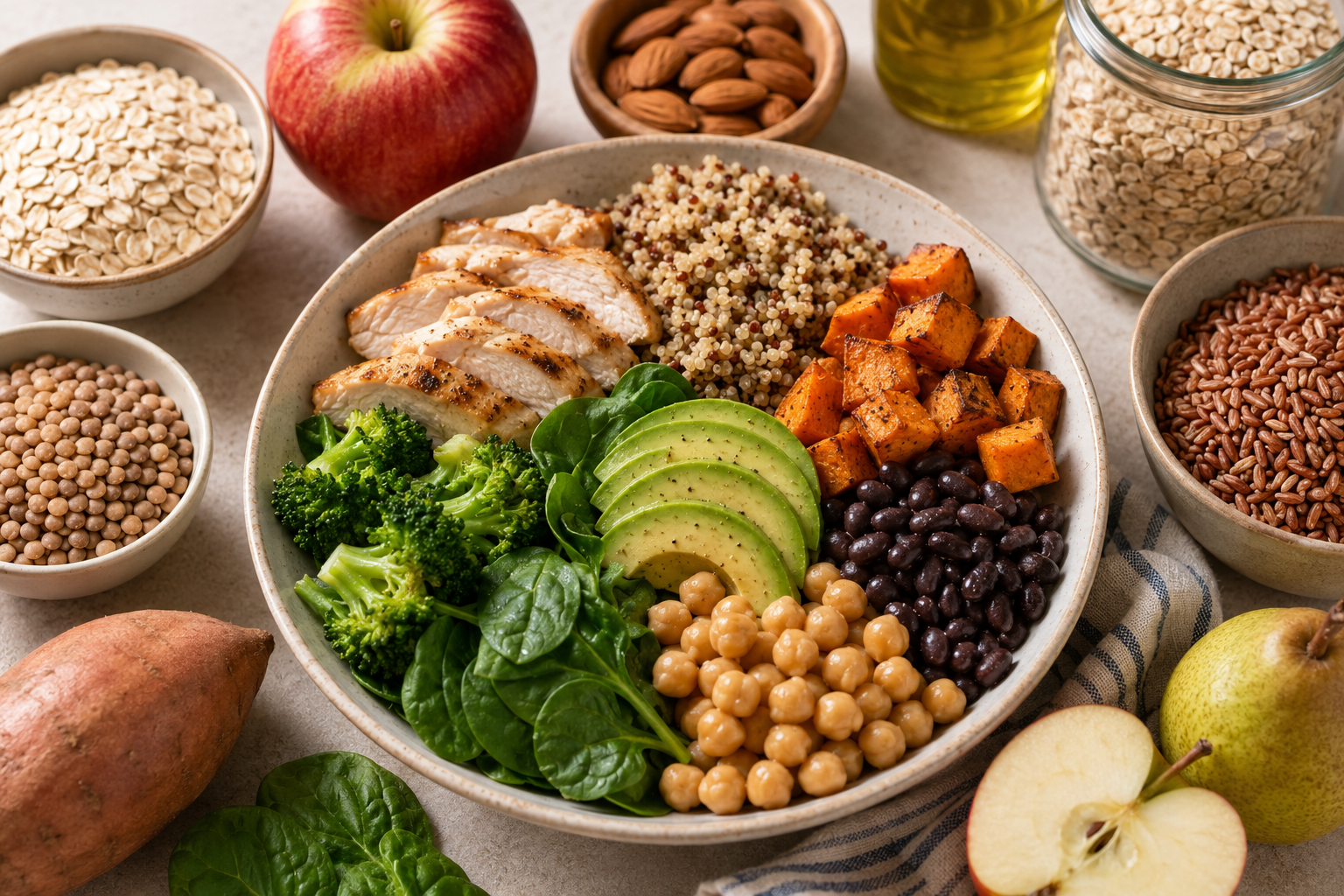
Including more probiotics and prebiotics in your daily diet is easier than you think. For probiotics, consider fermented foods like yogurt, kefir and fermented vegetables like sauerkraut or kimchi. As for prebiotics, aim for a fiber-rich diet – think whole grains, fruits, vegetables, and legumes.
Finding what foods or supplements work best for you may take some trial and error. However, each person’s gut microbiota is unique, so what works for one person may not work for another. If in doubt, consider seeking advice from a dietitian or a healthcare provider ex
perienced in nutrition.The Future Of Probiotics, Prebiotics, And Gut Health
Research on probiotics, prebiotics, and gut health is rapidly evolving. Scientists are beginning to explore personalized gut health strategies based on individual microbiota compositions – a reflection of the broader movement toward personalized medicine. You may see tailored probiotic and prebiotic recommendations based on one’s unique gut microbiota.
At the same time, researchers are continually discovering new beneficial strains of probiotics and understanding more about how prebiotics function. As your knowledge grows, so will the potential to harness these natural resources for better gut health.
The Bottom Line
Probiotics and prebiotics are vital in maintaining a healthy gut, contributing to overall well-being. As you unravel the intricate workings of the gut microbiota, the significance of these beneficial partners becomes increasingly clear. By understanding and embracing the power of probiotics and prebiotics, you can be proactive in your dietary choices, supporting your gut health and general health.