

Post-Surgical Rehabilitation
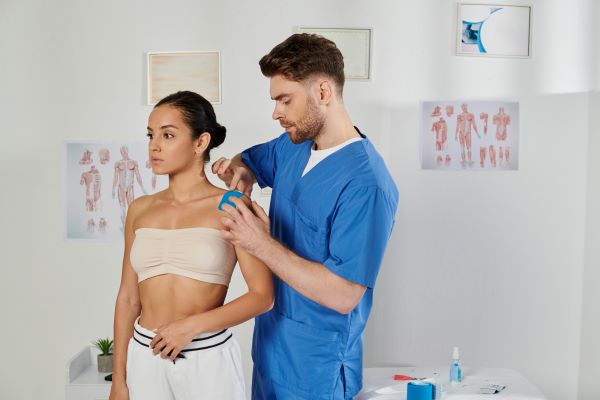
Post-surgical rehabilitation is another critical area where physical therapy shows its immense value. After surgery, patients often face challenges like reduced mobility, pain, and a slow return to daily activities. Physical therapists are instrumental in this phase, providing tailored rehabilitation programs that accelerate the recovery process. They work closely with surgical teams to understand the specifics of each surgery, which allows them to design effective, patient-specific rehabilitation plans. These plans focus not only on healing but also on regaining strength and functionality in the affected area.
Physical therapy post-surgery is not just about physical recovery; it also encompasses patient education and emotional support. Understanding the recovery process and being actively involved in rehabilitation can significantly improve outcomes. Therapists guide patients through each phase of recovery, setting realistic goals and providing the motivation needed to achieve them. This comprehensive approach ensures that patients return to their normal lives safely and effectively, reducing the risk of complications and promoting long-term health benefits.
Preventing Injuries And Reinjury

Injury prevention is a fundamental aspect of physical therapy. Therapists possess the expertise to identify potential risk factors for injuries and address them proactively. This preventative approach is particularly beneficial for individuals who engage in repetitive activities, either through work or sports, which can lead to overuse injuries. By analyzing movement patterns and identifying areas of weakness or imbalance, physical therapists can design specific exercise programs. These programs strengthen vulnerable areas, improve flexibility, and teach proper techniques to prevent injuries.
In addition to preventing new injuries, physical therapy is instrumental in avoiding reinjury. Patients who have experienced previous injuries are often at a higher risk of facing the same issue again. Therapists not only focus on the complete healing of the injury but also on educating patients about safe practices and exercises to prevent recurrence. This education includes lifestyle modifications, ergonomic advice, and techniques to improve body mechanics. By empowering patients with this knowledge, physical therapy plays a crucial role in promoting long-term health and preventing future injuries.
Support For Age-Related Issues

As individuals age, they often encounter a range of physical challenges, such as arthritis, osteoporosis, and balance disorders. Physical therapy offers substantial support in managing these age-related issues. Therapists specialize in techniques that help alleviate pain, improve mobility, and maintain independence in the elderly. Tailored exercise programs are designed to strengthen muscles, improve joint function, and enhance balance, directly addressing the common concerns associated with aging.
d_paragraph - under_second_paragraph -->Moreover, physical therapy for older adults is not just about managing symptoms; it’s about empowering them to lead an active and independent lifestyle. Therapists provide guidance on safe exercises, lifestyle modifications, and home adaptations to reduce the risk of falls and other injuries. This proactive approach helps older adults maintain their health and independence for longer, enhancing their quality of life and overall well-being.
Advantages For Athletes And Active Individuals

Athletes and active individuals benefit greatly from the specialized approaches of physical therapy. For this demographic, therapy is not only about injury recovery; it’s also about performance enhancement and injury prevention. Physical therapists understand the high demands of sports and physical activities, tailoring their approach to meet these specific needs. From optimizing movement patterns to strengthening key muscle groups, therapists work to enhance athletic performance while reducing the risk of injury.
Furthermore, in the event of an injury, sports physical therapy focuses on efficient and effective recovery strategies, ensuring a quick return to sport. Rehabilitation plans are designed to not only address the injury but also to prevent similar issues in the future. This comprehensive approach is essential for athletes, as it helps maintain their performance levels and prolongs their sporting careers.
The Bottom Line
Physical therapy offers a wide array of benefits, addressing a range of health concerns from acute injuries and post-surgical rehabilitation to chronic pain management and age-related physical issues. It’s not just a reactive measure for injury or surgery but a proactive approach to overall physical well-being. Through personalized treatment plans, specialized modalities, and patient education, physical therapists empower individuals to take an active role in their health and recovery. This field of healthcare plays a vital role in improving quality of life, enhancing physical functionality, and promoting long-term health benefits.