

Avoid Outdoor Air Pollution Exposure
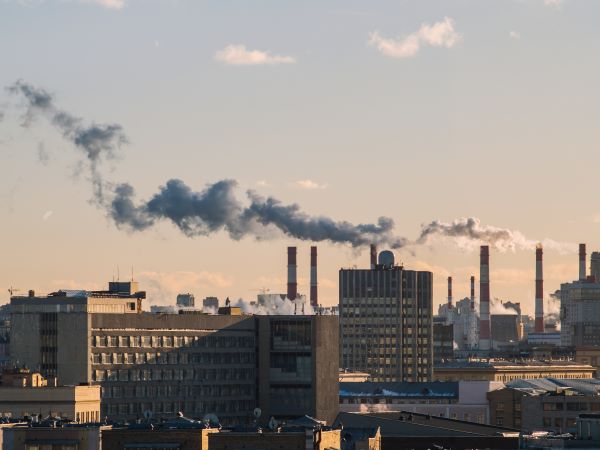
The hazards associated with outdoor air pollution are a growing concern, particularly for individuals residing in urban areas. Pollutants such as particulate matter, ozone, and nitrogen dioxide have been linked to a range of adverse health effects, including exacerbation of asthma, bronchitis, and other respiratory diseases. Awareness and understanding of the risks posed by these pollutants are crucial for minimizing their impact on lung health. By staying informed about local air quality indexes and planning outdoor activities accordingly, individuals can significantly reduce their exposure to harmful air pollutants.
Adopting protective measures during periods of high pollution is essential for maintaining lung health. Strategies such as wearing masks designed to filter out particulate matter, utilizing air purifiers at home, and selecting indoor exercise options can greatly diminish the inhalation of pollutants. Additionally, planting greenery around living spaces can act as a natural air filter, contributing to cleaner air both indoors and outdoors. These proactive steps can help safeguard respiratory health against the detrimental effects of air pollution.
Exercise Regularly

Engaging in regular physical activity is paramount for sustaining healthy lungs. Exercise enhances cardiovascular health and ensures the efficient functioning of respiratory muscles, facilitating a greater exchange of oxygen and carbon dioxide. Aerobic exercises, in particular, are known to improve endurance and lung capacity, making it easier for the body to utilize oxygen and expel waste gases. For individuals with chronic lung conditions, tailored exercise programs can offer significant improvements in quality of life and symptom management.
Creating a consistent exercise regimen is critical for reaping the full benefits of physical activity on lung health. Activities such as brisk walking, cycling, swimming, and jogging are highly effective in boosting respiratory strength and efficiency. Starting with moderate intensity and gradually increasing the duration and difficulty of workouts can help avoid injury and ensure steady progress. Moreover, engaging in outdoor activities when air quality is good combines the advantages of physical exercise with exposure to fresh air, further enhancing lung function.
Maintain Healthy Weight

The relationship between body weight and lung health is often overlooked. Excessive weight can lead to increased pressure on the lungs and diaphragm, making breathing more laborious and potentially exacerbating respiratory conditions. Managing body weight through a balanced diet and regular exercise is essential for minimizing these risks and ensuring optimal lung function. Moreover, obesity has been linked to a higher incidence of asthma and obstructive sleep apnea, underscoring the importance of weight management in respiratory health.
Adopting lifestyle changes that promote a healthy weight can significantly improve lung capacity and efficiency. A diet rich in fruits, vegetables, and lean proteins, combined with regular physical activity, can help achieve and maintain a weight that supports lung health. Additionally, these changes can lead to reduced inflammation in the body, further benefiting respiratory function. For those struggling with weight management, seeking guidance from healthcare professionals can provide personalized strategies and support.
The Bottom Line
Lung health is fundamental to overall well-being and quality of life. Through simple yet effective techniques such as deep breathing exercises, minimizing exposure to outdoor air pollution, regular physical activity, and maintaining a healthy weight, individuals can significantly improve their lung function and resilience against respiratory conditions. Each of these strategies offers a pathway to enhanced respiratory health, empowering individuals to take control of their well-being. Adopting these practices may require some adjustments to daily routines, but the benefits they deliver in terms of lung health and general wellness are well worth the effort. By prioritizing lung health, individuals can enjoy a more active, vibrant, and fulfilling life.