
Social Withdrawal or Isolation

Stress can cause people to retreat from their usual social interactions, even if they don’t consciously realize it. You might find yourself declining invitations to meet friends, avoiding family gatherings, or simply feeling less inclined to engage in conversations. This tendency to withdraw is often subtle at first and can be mistaken for a need for solitude or relaxation. However, prolonged social isolation is a sign that stress is taking over, and it can exacerbate feelings of loneliness or disconnection.
When under stress, the brain prioritizes survival responses, leaving little energy for socializing or maintaining relationships. Over time, stress can diminish your ability to enjoy social interactions, making them feel like a burden rather than a source of comfort. This withdrawal can feed into a cycle of increased stress, as isolation removes social support, which is crucial for managing emotional well-being. Recognizing early signs of social withdrawal can help you break the cycle and reconnect with your support system.
Loss of Interest in Hobbies or Activities

One of the more subtle signs of stress is losing interest in hobbies or activities that once brought joy and fulfillment. You might find that you no longer feel excited about engaging in your favorite pastimes, whether it’s reading, exercising, or pursuing a creative hobby. This loss of interest can easily be dismissed as burnout or a temporary lull, but it may be an indicator that stress is depleting your emotional energy. When stress becomes overwhelming, even activities that usually relieve it can feel like a chore.
The brain’s reward system is directly affected by stress, leading to a decrease in dopamine, which plays a role in motivation and pleasure. As stress drains your mental and physical energy, engaging in hobbies or fun activities can start to feel exhausting rather than enjoyable. Ignoring this sign of stress can lead to long-term emotional disengagement and a reduced quality of life. It’s important to reintroduce pleasurable activities at a manageable pace to help reduce stress and regain a sense of joy and fulfillment.
Changes in Appetite and Eating Habits

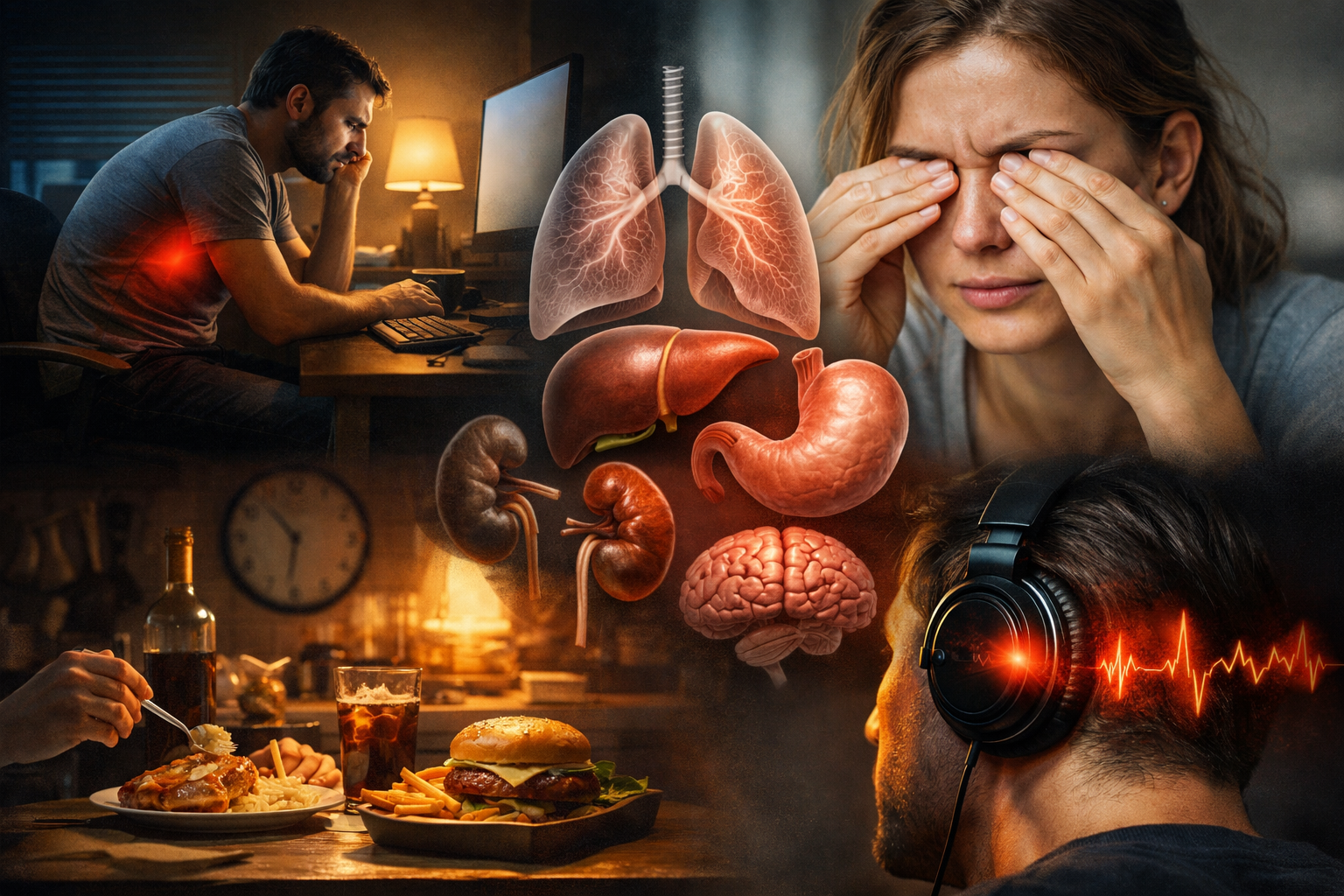
Stress often disrupts eating habits in ways that might seem subtle at first but can have long-term effects on health. Some people find themselves eating more, particularly seeking out comfort foods high in sugar or fat, while others may lose their appetite altogether. These shifts in eating patterns are the body’s way of coping with stress, but they can easily be overlooked or brushed off as changes in routine or mood. If left unchecked, stress-induced eating habits can contribute to weight changes, digestive problems, and a range of other health issues.
Emotional eating is a common response to stress, as people turn to food as a way to self-soothe. On the flip side, high levels of stress can suppress appetite, leading to skipped meals or poor nutritional intake. Both overeating and undereating are signs that stress is affecting your relationship with food, and neither should be ignored. Recognizing these changes and addressing the underlying stress can help restore balance to your eating habits and prevent long-term health consequences.
Don’t Let Stress Sneak Up on You
Recognizing the subtle signs of stress is essential for maintaining both mental and physical well-being. By addressing these signals early, you can prevent stress from escalating into more serious health problems. Take proactive steps to manage stress through relaxation techniques, regular physical activity, and seeking support when needed. It’s essential to stay in tune with your body and mind, noticing when something feels off. The earlier you catch these signs, the better equipped you’ll be to handle stress effectively and maintain long-term balance.