Knee pain and joint stiffness often become more noticeable after 50, but that doesn’t mean they have to limit your mobility. Strengthening your knees can reduce discomfort, protect your joints, and help you stay active well into your later years. Many exercises claim to improve joint health, but not all are suitable for aging bodies. High-impact routines can do more harm than good, especially when cartilage has begun to wear down. That’s why it’s important to choose movements that support joint function without adding unnecessary strain. One simple, effective exercise rises above the rest for its ability to strengthen your knees safely. It requires no gym, no equipment, and only a few minutes a day.
Why Knee Strength Declines With Age

As the body ages, it naturally begins to lose muscle mass, a condition known as sarcopenia, which weakens the muscles surrounding the knee. Without strong muscles to support them, the joints take on more impact during everyday movements. Over time, the cartilage that cushions the knee can also thin out, leading to discomfort and a grinding sensation. These changes make the knee more vulnerable to injury and chronic pain.
In addition to muscle loss and cartilage wear, the amount of lubricating fluid in the joint decreases with age. This can cause the knees to feel stiff, especially after periods of rest or inactivity. Long hours of sitting or a sedentary lifestyle only worsen the issue by reducing circulation to the joint. As these factors build up over the years, knee strength and flexibility gradually decline without regular, targeted movement.
The Dangers of Ignoring Weak Knees
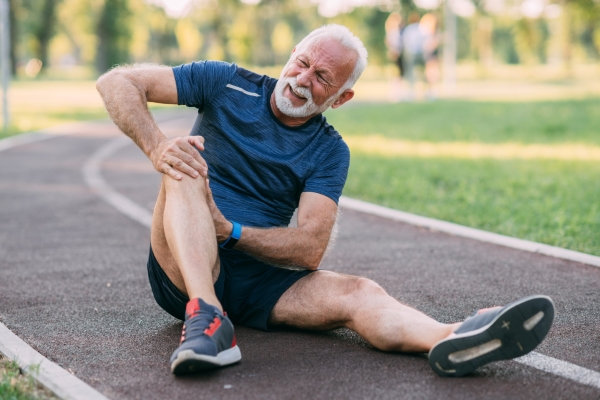
When knee strength begins to decline, many people unknowingly adjust their movements to avoid discomfort, which can lead to poor posture and imbalance. This shift in how you move increases your risk of falling, one of the leading causes of serious injuries in older adults. Weak knees may also lead to instability when walking, climbing stairs, or standing up, which can limit your independence. Over time, this hesitation can reduce physical activity and contribute to faster physical decline.
Chronic knee pain or weakness can trigger a reliance on pain medications, which often come with their own health risks. You might also begin to favor one leg, putting extra stress on the hips and lower back. This compensation leads to a chain reaction of joint discomfort throughout the body. Addressing knee weakness early not only prevents these issues but also supports full-body health as you age.
What Makes a Knee-Safe Exercise After 50?
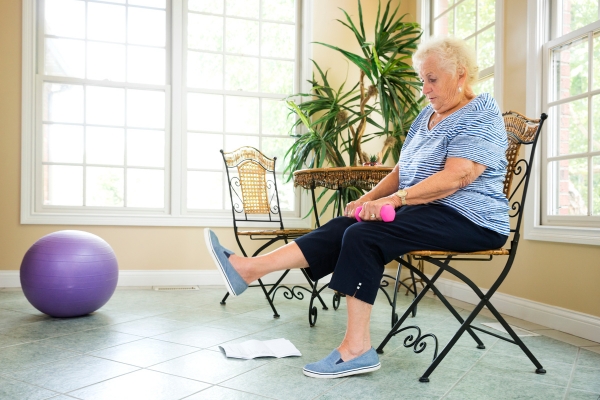
Exercises that are gentle on the joints while still building muscle strength are the most effective for aging knees. Movements should focus on improving stability, balance, and joint support rather than pushing for high-impact performance. Low-impact exercises reduce the risk of inflammation and joint damage, which is crucial when cartilage is already compromised. The goal is to strengthen the muscles that surround the knee without aggravating the joint itself.
A good knee-friendly exercise should also encourage natural movement patterns that mimic daily life. It should be easy to modify based on your current fitness level and performed with control, not speed. Proper alignment of the hips, knees, and ankles is essential to protect the joint during the motion. An ideal movement will leave you feeling stronger without any lingering discomfort or strain.