Contents
The Role of Strength Training in Reducing Belly Fat

Many people overlook strength training when trying to lose belly fat, assuming that lifting weights will not help with fat loss as much as cardio does. However, strength training is one of the most effective ways to reshape the body and accelerate fat loss. Unlike cardio, which primarily burns calories during the workout, strength training builds muscle, which increases metabolism and helps the body burn more calories even at rest. The more lean muscle a person has, the more efficiently their body burns fat, making it easier to maintain a leaner midsection over time.
In addition to boosting metabolism, strength training improves insulin sensitivity, which plays a crucial role in fat storage. When the body becomes more insulin-sensitive, it is better at processing carbohydrates and using them for energy rather than storing them as fat. This is particularly important for reducing belly fat, as excess insulin production is linked to fat accumulation in the abdominal area. Compound movements like squats, deadlifts, and presses engage multiple muscle groups, leading to greater calorie burn and muscle development, both of which contribute to long-term fat loss.
Nutrition and Lifestyle Matter More Than Just Cardio

Many people assume that burning calories through cardio is enough to lose belly fat, but nutrition and lifestyle habits play an even greater role in determining body composition. A diet high in protein, healthy fats, and fiber helps control hunger, stabilize blood sugar levels, and promote fat loss. In contrast, diets rich in processed foods, refined sugars, and alcohol contribute to fat accumulation, particularly around the midsection. Without proper nutrition, even the most intense cardio workouts will have little effect on reducing belly fat.
In addition to diet, sleep, and stress management are critical factors that influence fat storage. Poor sleep can disrupt hormone levels, increasing cravings for unhealthy foods and slowing metabolism. Chronic stress leads to elevated cortisol levels, which encourages the body to store fat in the abdominal area. By prioritizing quality sleep, managing stress through relaxation techniques, and maintaining a nutrient-dense diet, individuals can create a sustainable environment for fat loss that goes beyond cardio alone.
The Right Way to Approach Fat Loss for Sustainable Results
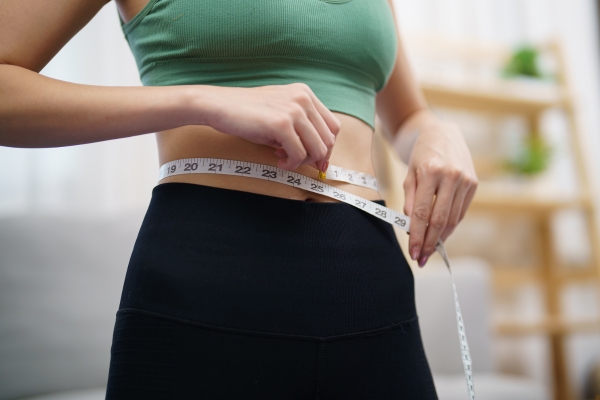
For long-term fat loss, a balanced approach that includes strength training, moderate cardio, and proper nutrition is essential. Instead of focusing solely on calorie burn, individuals should prioritize building lean muscle, which naturally boosts metabolism and aids in fat loss. Incorporating strength training at least three times a week, along with a well-structured diet, helps create a sustainable calorie deficit without excessive cardio. This prevents metabolic slowdown and ensures that fat loss comes from stored body fat rather than muscle tissue.
Tracking progress through body composition rather than just the scale is another key factor in achieving sustainable results. Many people get discouraged when they do not see significant changes in their weight, but muscle gain can offset fat loss on the scale. Measuring body fat percentage, taking progress photos, and monitoring strength improvements provide a clearer picture of progress. By adopting a comprehensive approach that includes strength training, proper nutrition, and lifestyle adjustments, individuals can achieve long-lasting fat loss while maintaining overall health and well-being.
Breaking the Cycle of Belly Fat and Cardio Overload
Relying solely on cardio to lose belly fat is a common mistake that leads to frustration and minimal results. The primary reason many struggle with stubborn fat is an unbalanced approach—neglecting diet, strength training, and overall lifestyle habits. Excessive cardio can increase cortisol levels, leading to more fat storage, while poor nutrition sabotages progress. The key to effective fat loss is a combination of strength training, a nutrient-dense diet, stress management, and quality sleep. By shifting focus from endless cardio sessions to a well-rounded strategy, individuals can finally achieve sustainable fat loss and a leaner, healthier body.