

Step 4: Improve Flexibility and Mobility
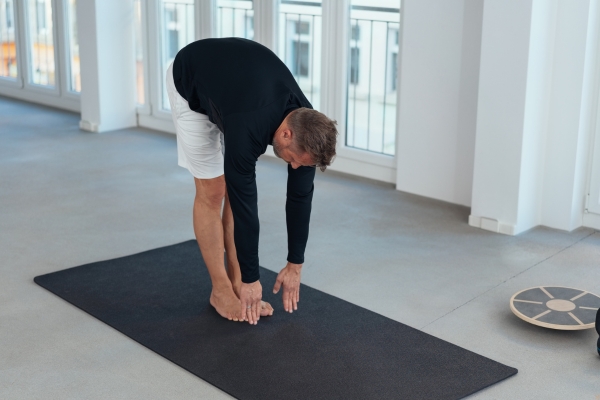
Posture is not just about strength—it also relies on flexibility and mobility to keep the body aligned and pain-free. Tight muscles, particularly in the chest, shoulders, and hip flexors, can pull the body out of its natural posture, making it harder to maintain an upright position. Limited mobility in the spine and joints forces the body to compensate, leading to further postural issues and discomfort. For example, tight hip flexors from prolonged sitting can tilt the pelvis forward, causing excessive lower back arching. Addressing these imbalances through stretching and mobility work is crucial for maintaining good posture.
A well-balanced routine should include stretches that target problem areas contributing to poor posture. Chest stretches help counteract rounded shoulders, while hip flexor and hamstring stretches improve lower body alignment. Foam rolling can release muscle tightness and improve blood circulation, helping the muscles recover and maintain flexibility. Additionally, incorporating mobility drills—such as spinal twists and shoulder rotations—can improve the range of motion in key joints. By consistently working on flexibility and mobility, individuals can ensure that their body remains in proper alignment throughout the day.
Step 5: Build Long-Term Postural Awareness and Habits

Correcting poor posture is not a one-time fix—it requires ongoing awareness and consistent habits to make lasting changes. Many people unknowingly fall back into bad posture throughout the day, especially during long periods of sitting or standing. Developing mindfulness about posture is essential for reinforcing proper alignment. Simple strategies, such as setting reminders to check posture, using posture-correcting apps, or performing a quick body scan every hour, can help individuals stay on track. Over time, these small actions become second nature, making good posture a daily habit.
Beyond awareness, creating a sustainable routine that incorporates posture-strengthening exercises and ergonomic adjustments is key to long-term success. Engaging in activities like yoga, Pilates, or strength training can provide ongoing reinforcement for healthy posture. Additionally, seeking professional guidance from a physical therapist or chiropractor can offer personalized recommendations for postural corrections. By continuously prioritizing posture awareness and integrating these habits into everyday life, individuals can prevent recurring issues and maintain optimal spinal health for years to come.
Step 6: Take Action Before It’s Too Late

Posture problems can have long-term consequences if left unaddressed, leading to chronic pain, mobility limitations, and even permanent spinal deformities. Many people do not realize the impact of poor posture until they experience discomfort or stiffness that affects their daily activities. By taking action early, individuals can prevent these long-term complications and improve overall well-being. Correcting posture not only enhances physical health but also boosts confidence, energy levels, and mental clarity. Making changes now is far easier than trying to reverse years of postural damage later in life.
To see lasting results, consistency is key. Implementing the five-step plan—identifying poor posture, strengthening key muscles, adjusting the environment, improving flexibility, and building awareness—provides a comprehensive solution for postural correction. Small daily efforts, such as sitting up straight, stretching regularly, and staying active, add up to significant improvements over time. Those who commit to these habits will not only fix their posture but also enjoy a healthier, more comfortable life. Taking control of posture today ensures a stronger, pain-free future before it’s too late.
Take Control of Your Posture for a Pain-Free Future
Fixing poor posture requires dedication, but the long-term benefits make every effort worthwhile. By following this five-step plan—identifying postural mistakes, strengthening key muscles, adjusting the environment, improving flexibility, and building awareness—anyone can correct their posture and prevent chronic pain. The key to success is consistency, as small daily improvements lead to lasting change. Ignoring posture issues can result in permanent discomfort and mobility problems, but taking action now can ensure a healthier, more confident future. Start making these changes today and experience the difference good posture can make in your overall well-being.