Dehydration

Despite their popularity among athletes and those leading active lifestyles, energy drinks pose a significant risk of dehydration. Caffeine acts as a diuretic, which can lead to increased urine production and fluid loss, particularly when consumed in the large quantities found in energy drinks. The loss of fluids can be even more pronounced during exercise when the body is already expelling water through sweat. Inadequate replacement of these fluids can result in dehydration, which impairs physical performance and can have serious health consequences if not promptly addressed.
The symptoms of dehydration range from mild to severe and include dizziness, dry mouth, lethargy, and in extreme cases, heat stroke. Despite the intended use of energy drinks to enhance performance and endurance, they may paradoxically lead to a decline in physical capabilities due to the dehydrating effects of their ingredients. Athletes and consumers should be wary of the deceptive nature of these drinks and consider alternative hydration strategies that maintain fluid balance without the adverse effects of excessive caffeine.
Tooth Decay
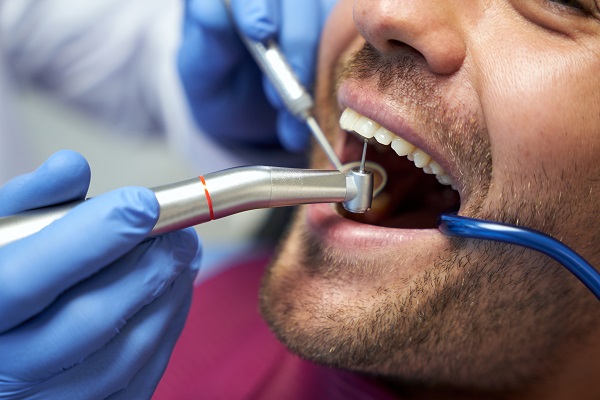
Energy drinks present a substantial risk to dental health, contributing to tooth decay at an alarming rate. The high sugar content in these drinks provides a rich environment for bacteria to thrive, producing acid that erodes tooth enamel. The acidic nature of energy drinks further compounds this problem, leading to a dual assault on the structural integrity of teeth. As enamel wears away, teeth become more susceptible to cavities, sensitivity, and ultimately, decay. Frequent consumers of energy drinks may find themselves facing significant dental issues over time, necessitating more frequent visits to the dentist and potentially expensive treatments.
Moreover, it’s not just the sugar and acid alone that are problematic but their combined and prolonged contact with teeth. Many people sip energy drinks slowly throughout the day, continuously bathing their teeth in harmful substances. This constant exposure prevents saliva from neutralizing the acid and repairing the enamel, setting the stage for dental erosion. Good dental hygiene practices can help mitigate these effects, but the best strategy for oral health is to limit the consumption of these potentially damaging beverages.
Weight Gain And Metabolic Issues

Energy drinks can be a hidden source of excessive calories, which contribute to weight gain and related health issues. Often high in sugars and calories, these beverages can add a significant caloric load that is easy to overlook. When consumed in large quantities or as a regular part of one’s diet, the additional calories from energy drinks can lead to an increase in body weight. This weight gain is not just a matter of aesthetics but is also linked with serious health conditions, including metabolic syndrome, type 2 diabetes, and cardiovascular disease.
The metabolic impact of energy drinks extends beyond weight gain. Regular intake of these high-sugar beverages can lead to spikes in blood sugar levels and can impair insulin sensitivity over time. This disruption to the body’s metabolic processes increases the risk of developing type 2 diabetes and other metabolic disorders. The temporary energy spike that these drinks provide comes at the cost of long-term health and metabolic balance. It is essential to recognize the caloric and sugar content of these drinks and the potential they have to disrupt metabolic health.
The Bottom Line
The allure of energy drinks as a quick source of stamina and alertness belies the substantial health risks they pose. From addiction and high blood pressure to mental health and dental deterioration, the consequences of their consumption are wide-reaching. It is crucial for individuals to be cognizant of these potential dangers and to make informed choices. Moderation, awareness, and education can serve as the primary defenses against the adverse effects of energy drinks. Alternatives such as natural energizers, sufficient rest, and a balanced diet offer a sustainable approach to maintaining energy levels without compromising health.