
Regulating Blood Pressure And pH Levels

Electrolytes, particularly sodium, play a key role in maintaining and regulating blood pressure. Sodium helps to control the total amount of water in your body. Too much sodium can lead to high blood pressure, while too little can cause low blood pressure.
Lastly, electrolytes are vital for maintaining the body’s pH levels. They help keep the acidity or alkalinity of your blood within a healthy range. This balance is crucial for all the body’s physiological processes. Too much acidity (low pH) or alkalinity (high pH) can lead to serious health problems.
Where To Find Electrolytes
Fruits And Vegetables

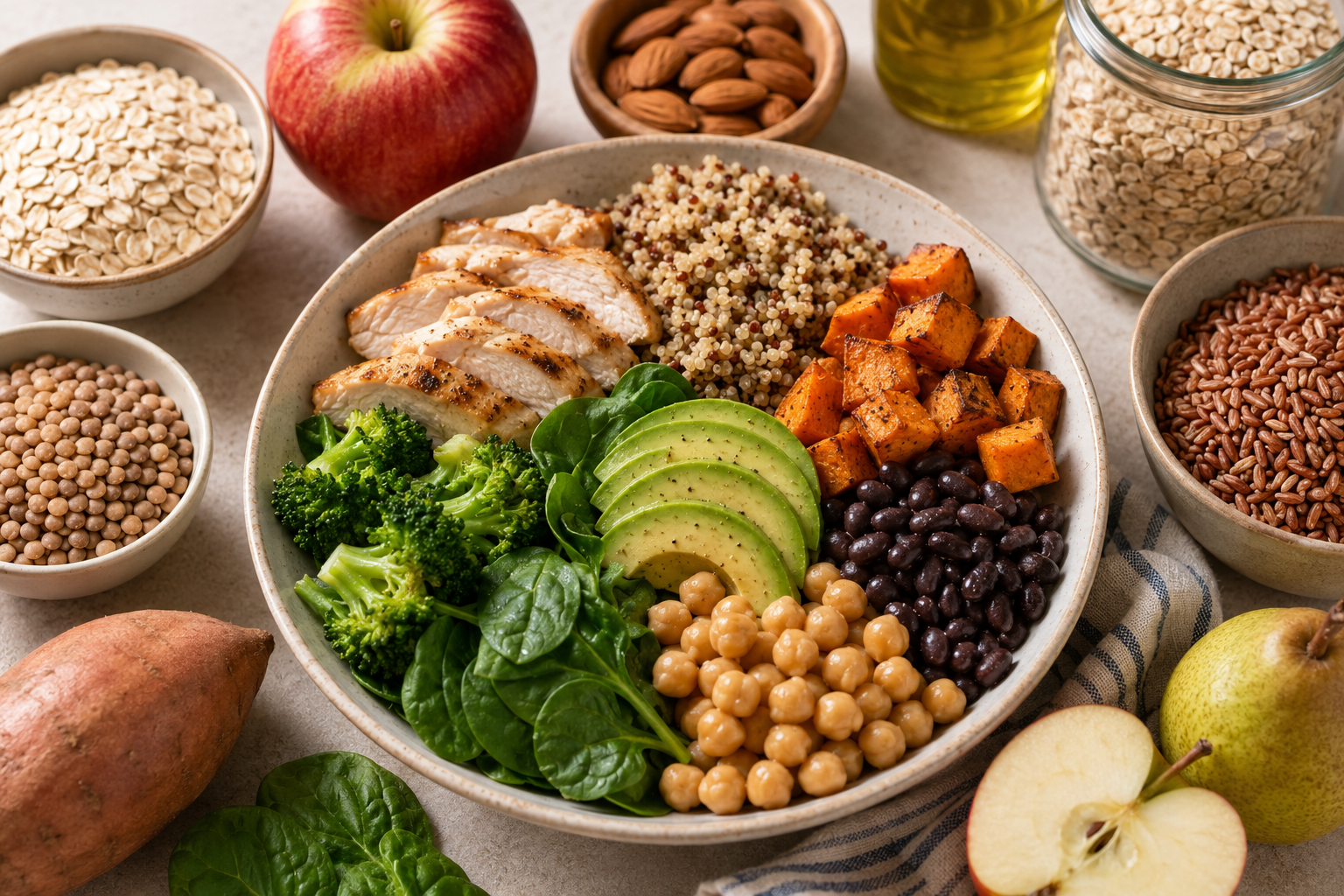
Fruits and vegetables are excellent sources of electrolytes. Bananas are known for their high potassium content. Oranges not only provide vitamin C but are also a good source of calcium. Spinach is rich in magnesium. Including a variety of fruits and vegetables in your diet can help ensure an adequate intake of these important minerals.
Beyond being rich in electrolytes, fruits and vegetables are also packed with other essential nutrients, like dietary fiber and various vitamins, that promote overall health. Therefore, regularly consuming a variety of fruits and vegetables can not only help maintain electrolyte balance but also contribute to a balanced, nutrient-rich diet.
Dairy Products
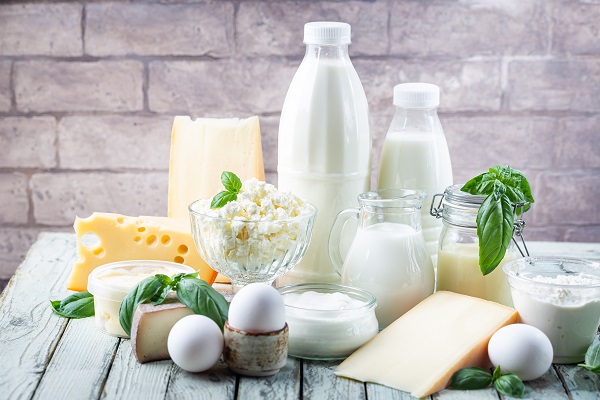
Dairy products are an important source of several electrolytes, particularly calcium. Milk, cheese, and yogurt are all high in calcium, which is essential for bone health and muscle function. Moreover, dairy products also contain other electrolytes like potassium and phosphorus.
Dairy products also provide high-quality protein and other nutrients like vitamin D and B vitamins. Therefore, including dairy in your diet can help you meet your electrolyte needs while also providing other essential nutrients. However, for those who are lactose intolerant or choose not to consume dairy, there are plenty of other sources of electrolytes available.
Meat An
d Poultry
Meat and poultry are excellent sources of sodium and chloride, two electrolytes that are essential for fluid balance and nerve function. They also provide other electrolytes like potassium and phosphorus. Therefore, including these foods in your diet can help ensure an adequate intake of these important minerals.
While meat and poultry are good sources of electrolytes, they should be consumed in moderation due to their high saturated fat and cholesterol content. Opt for lean cuts of meat and skinless poultry whenever possible to reduce your intake of these less healthy components.
Beverages And Supplements

Certain beverages, like coconut water and sports drinks, can also help replenish electrolyte levels, especially after intense physical activity. Coconut water is naturally rich in potassium and other electrolytes, making it a great natural option.
While supplements can be another source of electrolytes, they should be used with caution. Supplements can help fill in the gaps if your diet is lacking in certain areas, but they are not meant to replace a balanced diet. Before starting any supplement regimen, it is best to consult with a healthcare provider.
Conclusion: The Essential Role of Electrolytes
In conclusion, electrolytes are essential for various functions in your body. Ensuring a balanced intake of electrolytes from various food sources can help maintain your overall health and well-being. Always remember, the key to good health is a balanced and varied diet.