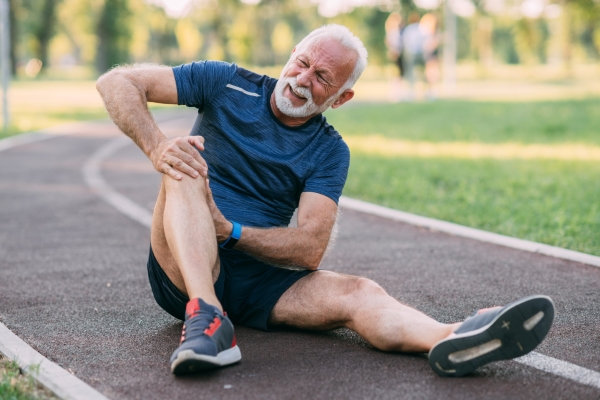

Slow resistance training, a method emphasizing slow and controlled movements, has garnered significant attention in the fitness community. This approach, known for its effectiveness in building strength, endurance, and reducing injury risk, offers a unique perspective on exercise. By focusing on the quality of each movement rather than the quantity, practitioners can achieve remarkable results. This blog post delves into the myriad benefits of slow resistance training, highlighting its impact on physical health and overall well-being.
Increases Strength And Endurance

Slow resistance training plays a pivotal role in enhancing muscular strength. This method relies on performing exercises with slow, deliberate movements, maximizing muscle tension and engagement. Such an approach ensures that every muscle fiber is effectively recruited, leading to stronger, more resilient muscles. By emphasizing time under tension rather than rapid, repetitive movements, this training method significantly improves muscular strength.
In addition to strength, slow resistance training remarkably boosts muscular endurance. The sustained tension on muscles during these exercises teaches them to withstand prolonged periods of activity. This training not only conditions muscles to be more efficient but also enhances their ability to perform under stress for extended durations. Individuals practicing slow resistance training often notice a marked improvement in their ability to perform daily activities and sports with greater ease and less fatigue.
Reduces Injury Risk

One of the most significant advantages of slow resistance training is the reduced risk of injury. By focusing on controlled movements, the likelihood of accidents caused by excessive momentum or improper form is greatly diminished. This training emphasizes precision over speed, allowing for better muscle control and reducing the strain on tendons and ligaments, which are often compromised in faster, more explosive exercises.
Moreover, slow resistance training is instrumental in promoting correct form and posture. Each exercise requires careful attention to alignment and technique, fostering a deeper understanding of how the body moves and functions. This awareness not only minimizes the risk of immediate injuries but also contributes to long-term musculoskeletal health, preventing chronic issues that can arise from poor exercise habits.
Improves Metabolic Rate And Fat Loss

Slow resistance training significantly boosts metabolic rate by increasing lean muscle mass. Muscles require more energy to maintain than fat, meaning the more muscle mass one has, the more calories are burned at rest. This elevated metabolic rate continues long after the workout, contributing to more effective weight management and fat loss. This method proves especially beneficial for those looking to lose weight and keep it off, as it combines muscle building with fat burning.
The impact of slow resistance training on fat loss is also noteworthy. The intensity of these workouts, characterized by prolonged muscle tension, leads to a higher calorie burn both during and after exercise. This phenomenon, known as the afterburn effect, results in sustained fat burning post-workout. Regular practice of this training method not only aids in reducing body fat but also helps in sculpting a leaner, more toned physique.