
Muscle Loss

The body’s response to fasting includes the conservation of energy, and at times, this can mean turning to muscle protein as a fuel source. This is especially true when glycogen stores are depleted and calorie intake is too low to sustain muscle mass. Athletes and those engaged in regular physical activity need to be particularly cautious, as intermittent fasting may impair recovery and performance. Over time, this can lead to muscle breakdown, which not only affects physical strength and endurance but also metabolic health, as muscle tissue plays a key role in glucose metabolism.
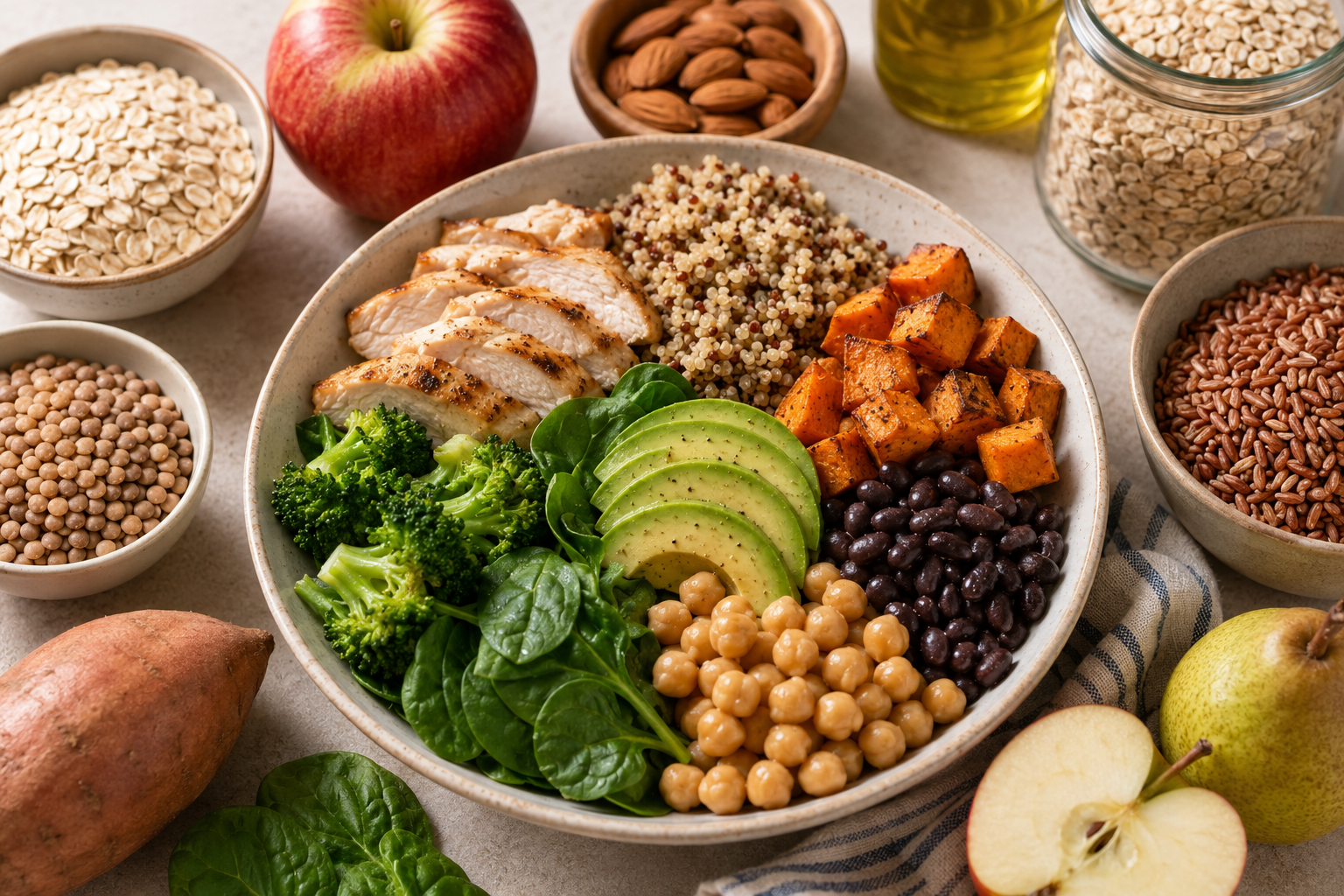
Strategies to preserve muscle mass include timing protein intake to coincide with periods immediately after resistance training, when muscles are most receptive to protein synthesis. Moreover, it is important to ensure that the diet contains adequate protein spread throughout the eating window to provide a constant source of amino acids, essential for muscle repair and growth. These measures are not only important for athletes but also for aging adults, for whom muscle preservation is crucial for maintaining mobility and independence.
Hormonal Imbalances

Intermittent fasting can have profound effects on hormonal balance, which governs a wide array of bodily functions. Hormones like insulin, which regulates blood sugar levels, can become more sensitive with fasting, which is beneficial in some respects but may pose risks if not carefully managed, especially in individuals with diabetes or metabolic disorders. Additionally, adrenal hormones, including cortisol, which can influence stress responses, may become chronically elevated during prolonged periods without food, potentially leading to issues like adrenal fatigue.
The impact on reproductive hormones should not be overlooked. Women may experience changes in their menstrual cycles due to the stress response triggered by intermittent fasting. This stress can disrupt the secretion of gonadotropins, hormones that control the menstrual cycle, potentially leading to irregular periods or amenorrhea. In men, there can be a decrease in testosterone levels, which is essential not only for reproductive health but also for muscle mass, bone density, and overall vitality.
Risk Of Eating Disorders
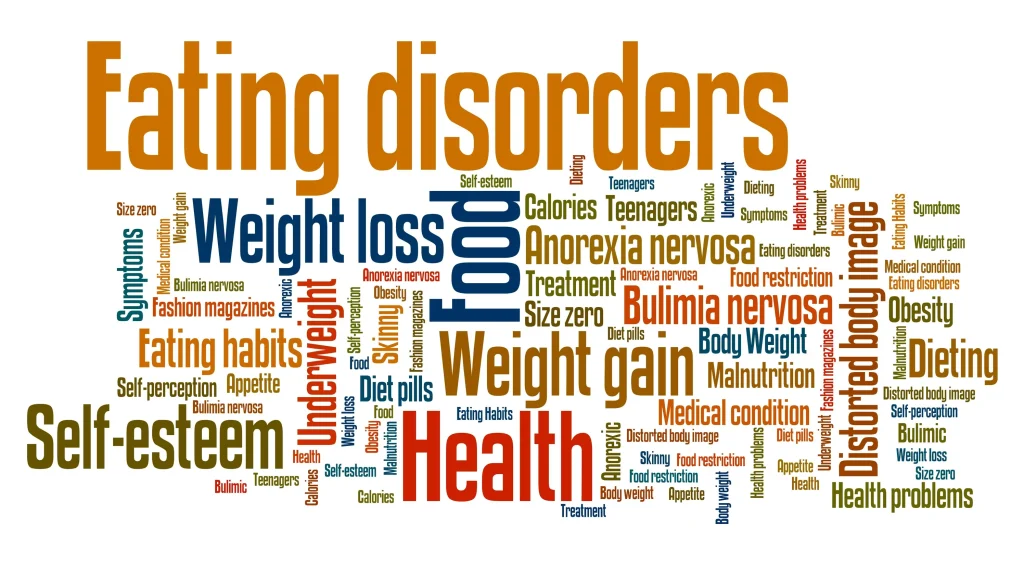
The structured nature of intermittent fasting might, paradoxically, trigger disordered eating patterns in susceptible individuals. The rigid rules about when to eat can be a slippery slope into an unhealthy preoccupation with food and obsessive behavior. Some might find the fasting and feasting cycle to create a psychological environment conducive to binge eating, followed by guilt and a period of excessive restriction, a pattern that can evolve into an eating disorder.
It is essential for individuals to remain vigilant about their relationship with food while practicing intermittent fasting. Any signs of disordered eating should be taken seriously, and professional help should be sought. The key to a healthy diet is not just in the timing of meals but in the approach to eating itself, which should be flexible and forgiving to prevent the development of unhealthy habits that can last a lifetime.
The Bottom Line
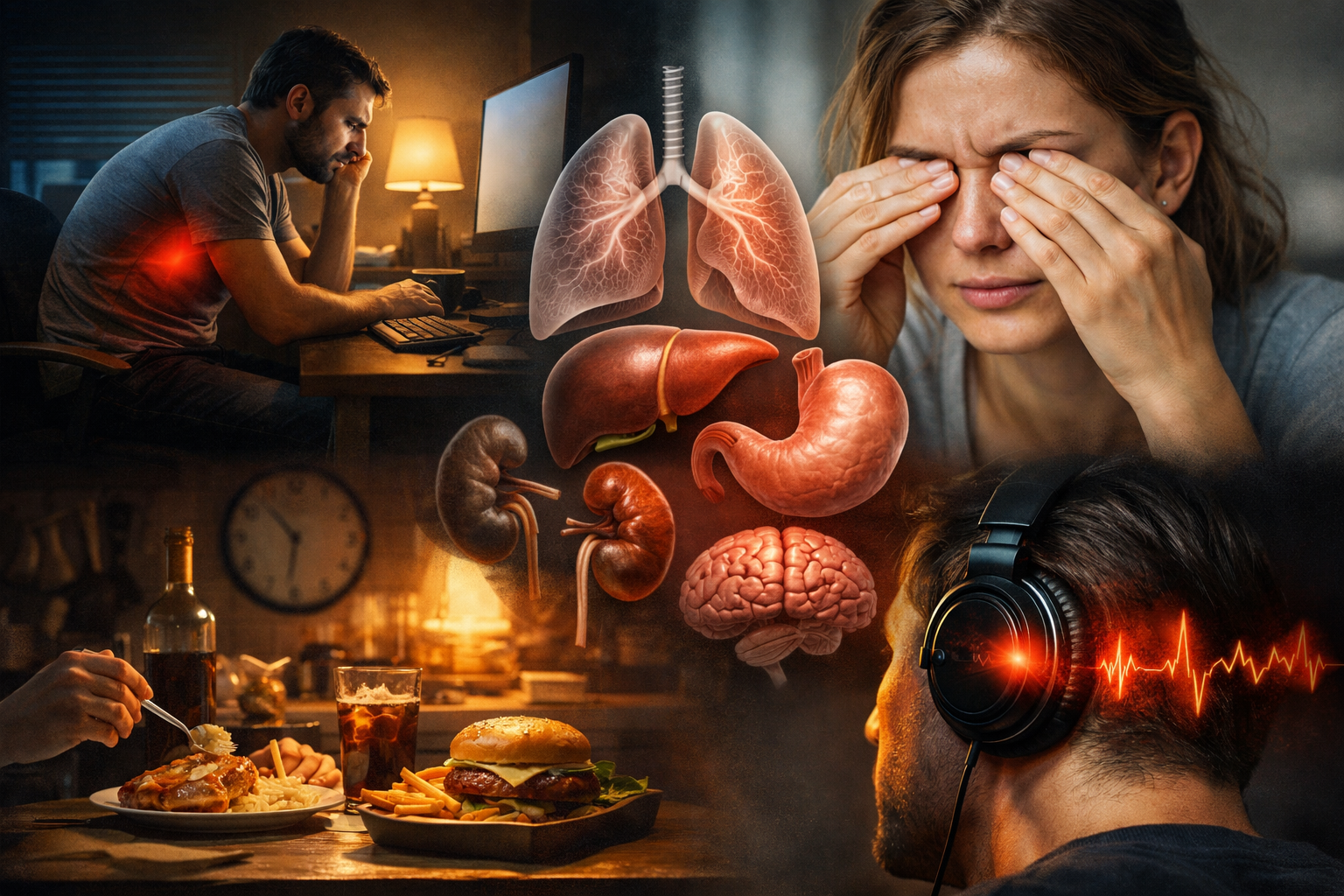
While intermittent fasting presents many potential benefits, it’s not without its risks. From nutrient deficiencies to hormonal imbalances, the impact on the body can be significant. It is vital for anyone considering this eating pattern to approach it with caution, armed with knowledge and in consultation with a healthcare provider, particularly if there are pre-existing health issues. Acknowledging the possible adverse effects is an essential step in fostering a sustainable and healthy approach to intermittent fasting.