

If you have spent time trying to get your body in shape, you probably have a foam roller tucked away in a closet. But, if you’re like most people, you don’t use it nearly as often as you should. A foam roller is an excellent tool for self-massage and can help improve flexibility, circulation, and range of motion. In this article, you will learn different tips for using a foam roller correctly to benefit from this simple piece of equipment!
The Benefits Of Using A Foam Roller
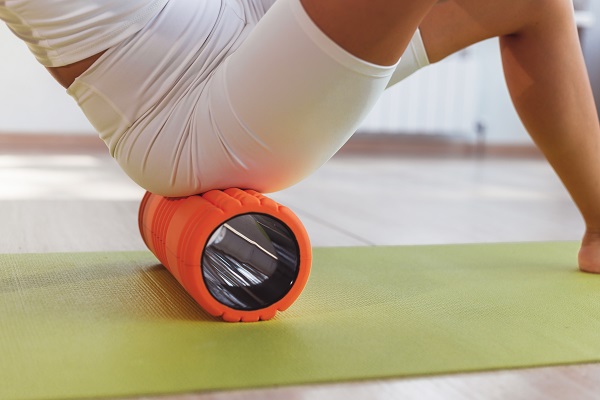
Foam rollers are a popular tool for self-massage, providing a way to knead out knots and tension in muscles. But foam rolling can do more than feel good—it can also help improve your range of motion, increase circulation, and reduce inflammation. In addition, by gently pressing into muscles and connective tissue, foam rolling can help to release built-up stress and tension.
The repetitive motion of rolling can help to increase blood flow and improve circulation. A foam roller’s gentle pressure can also help reduce inflammation by stimulating the release of lymph fluid. As a result, foam rolling can be an effective way to relieve pain and promote healing.
Tips To Use A Foam Roller Correctly
If you have never really used a foam roller or have just found it uncomfortable in the past, here are a few tips to help you get started:
Choose The Right Style Of Foam Roller

With so many different types and styles on the market, choosing the right foam roller can be challenging. There are three main types of foam rollers: cylindrical, half-round, and grid. Cylindrical foam rollers are the most common and are great for general use. Half-round foam rollers are ideal for targeting specific muscles, and grid foam rollers are perfect for a deep-tissue massage.
There are also different densities of foam rollers, from soft to firm. Softer foam rollers are better for beginners, while former ones are better for experienced users. Ultimately
, the best foam roller is the one that meets your needs and preferences.Find The Right Muscle

When using a foam roller to massage your muscles, finding the right muscle to focus on is crucial. For example, if you use the roller on your back, you should focus on the erector spinae muscle. To find this muscle, locate the bony ridge that runs along your spine. The erector spinae muscle is located just above this ridge.
Once you have found the right muscle, slowly roll the foam roller up and down your back, applying as much pressure as possible. As you roll, try to relax your muscles. Foam rolling can be painful at first, but with time and practice, you can loosen up tight muscles and relieve pain.
Keep Control Of Your Body

One of the most important things to remember when using a foam roller is maintaining control of your body. This means keeping your back straight, your head up, and your core engaged. The last thing you want is to roll too far and wind up in an uncomfortable position. Another thing to keep in mind is to use slow, steady strokes.
Going too fast will not allow the roller to work out the knots and kinks in your muscles. Instead, it will just aggravate the tissues and make them more inflamed. Finally, make sure to listen to your body; if something feels too painful, back off and try a different area. Foam rolling can be incredibly effective in reducing pain and improving flexibility, but only if done correctly.
Related Posts

Everyday Habits That Could Be Slowing Down Your Weight Loss

Health & Wellness Guide Everyday Habits That Could Be Slowing Down Your Weight Loss Identifying hidden lifestyle patterns that may undermine your fitness goals despite…

How to Lose Belly Fat Without Giving Up Carbs

Health & Wellness Guide How to Lose Belly Fat Without Giving Up Carbs The science behind carbohydrate quality, soluble fiber, and what research actually says…

The Biggest Mistakes That Slow Down Your Metabolism
Health & Wellness The Biggest Mistakes That Slow Down Your Metabolism Common habits and oversights that research links to reduced metabolic efficiency — and what…