It’s no secret that carbs and weight loss often come with confusion and controversy. From fad diets to misleading headlines, it’s easy to fall into the trap of misinformation, with many people asking: Are carbs our friends or foes? This article aims to debunk the myths and reveal the truth about carbs and their role in weight loss. Let’s dive in and separate fact from fiction.
Contents
Unraveling The Truth About Carbs And Weight Loss

Carbohydrates, often called carbs, are one of the three primary macronutrients, alongside proteins and fats. They are our body’s primary energy source, fueling everything from your morning jog to your afternoon brainstorming session. But not all carbs are created equal. They are typically classified into simple and complex carbs. Simple carbs, such as those found in sugary drinks and pastries, are quickly absorbed by the body, causing a rapid spike in blood sugar. On the other hand, complex carbs, like those in whole grains and legumes, are absorbed more slowly, providing a steady release of energy.
The truth about carbs lies in understanding their type and their effects on our bodies. While it’s easy to paint all carbs with the same brush, it’s important to understand that their impact on our weight and overall health can vary significantly. Consuming too many simple carbs can lead to weight gain and other health issues, while a diet rich in complex carbs can support sustainable weight loss and overall health.
The Truth About Carbs: Understanding The Glycemic Index
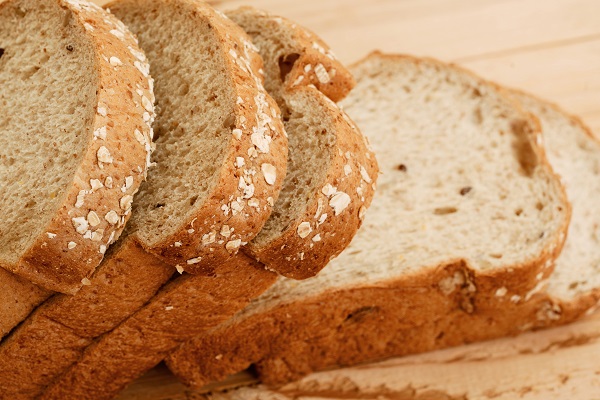
The Glycemic Index (GI) is an essential tool in understanding carbs’ impact on our bodies. The GI measures how quickly food raises blood sugar levels. Foods with a high GI, like white bread and sugary drinks, cause a rapid rise in blood sugar. Conversely, low GI foods, such as brown rice and oats, result in a slower, more gradual rise in blood sugar.
This knowledge can be a game-changer in your weight management journey. When our bodies experience rapid spikes and crashes in blood sugar, it can lead to increased hunger and potential overeating. However, by choosing low GI, complex carbs, we can maintain steadier blood sugar levels, manage hunger, and ultimately support weight loss.
Myth: All Carbs Are Bad For Weight Loss

One of the most persistent myths about carbs is that they’re inherently bad for weight loss. However, this is a gross oversimplification. As we’ve mentioned before, not all carbs are created equal. While it’s true that overconsumption of simple carbs can contribute to weight gain, it doesn’t mean that all carbs should be shunned.
Indeed, many foods rich in complex carbs are also packed with essential nutrients. Whole grains, fruits, vegetables, and legumes are substantial sources of carbs, fiber, vitamins, and minerals. When incorporated into a balanced diet, these foods can contribute to a feeling of fullness and provide sustained energy, both of which are beneficial for weight loss.
Fact: Fiber-Rich Carbs Can Aid In Weight Loss
The truth about carbs is that they’re not all villains in the weight loss journey. Fiber-rich carbs can be heroes. Dietary fiber, particularly soluble fiber, slows the absorption of sugar into your bloodstream and reduces the likelihood of blood sugar spikes. This can help control hunger, making you feel full for longer.
Foods like oats, legumes, fruits, and vegetables are all excellent sources of dietary fiber. Including these in your meals can aid in weight loss and contribute to a healthier gut, improved digestion, and reduced risk of chronic diseases like heart disease and type 2 diabetes. Remember, the key is not to avoid carbs but to choose the right ones.