Vitamin E
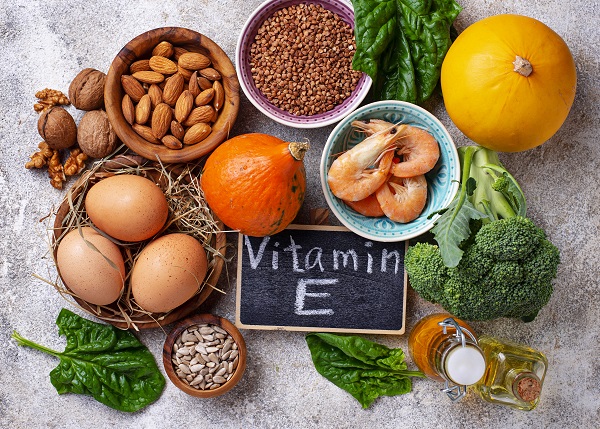
Sources: Vitamin E is found in a variety of foods, including vegetable oils, nuts, seeds, and leafy green vegetables.
Function: Vitamin E is an antioxidant that helps to protect cells from damage. It also helps to maintain healthy skin and to support the immune system.
Deficiency and Toxicity: A deficiency of vitamin E is rare, but it can lead to problems with nerve function and muscle weakness. An excess of vitamin E can be toxic and lead to symptoms such as nausea, diarrhea, and fatigue.
Minerals
Calcium
Sources: Calcium is found in various foods, including dairy products, leafy green vegetables, and fortified foods.
Function: Calcium is needed for forming and maintaining strong bones and teeth and for proper muscle and nerve function. It also helps with blood clotting and regulating heart rate and blood pressure.
Deficiency and Toxicity: A deficiency of calcium can lead to osteoporosis and weak bones, while an excess of calcium can lead to kidney stones and other health problems.
Iron
Sources: Iron is in a variety of foods, including red meat, poultry, fish, and fortified cereals.
Function: Iron is needed to produce hemoglobin, a protein in red blood cells that carries oxygen to the body’s tissues. It also helps to support the immune system and to maintain energy levels.
Deficiency and Toxicity: An iron deficiency can lead to anemia, while an excess of iron can be toxic and lead to symptoms such as abdominal pain and fatigue.
Magnesium
to, (max-width: 576px) 100vw, 576px">
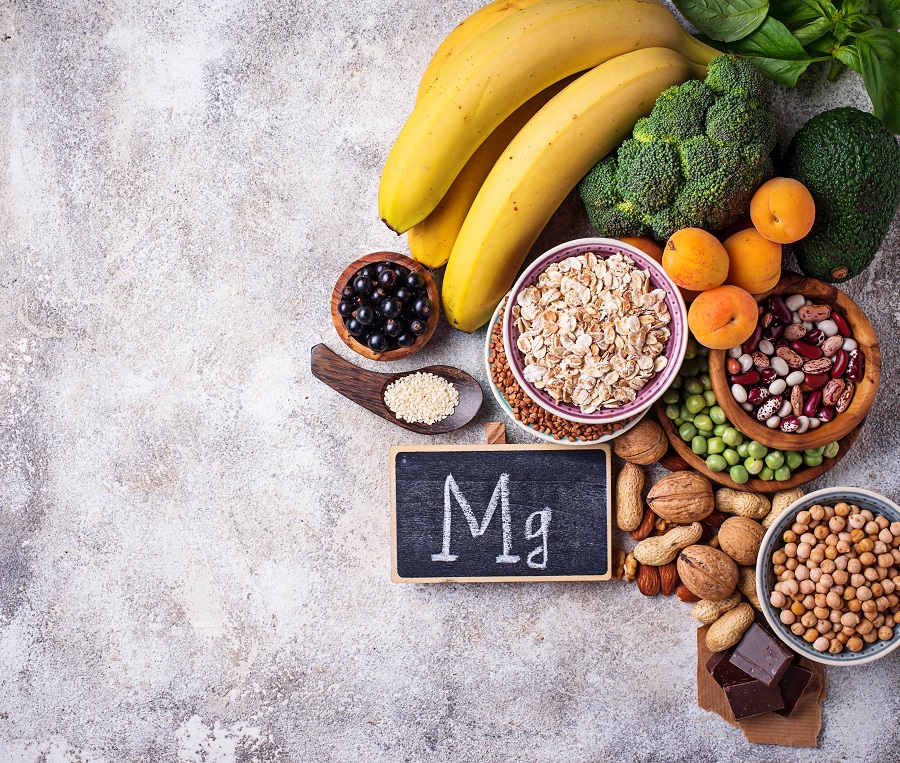
Sources: Magnesium is found in various foods, including nuts, leafy green vegetables, and whole grains.
Function: Magnesium is needed for proper muscle and nerve function, as well as for the formation of strong bones and teeth. It also helps regulate heart rate and blood pressure, which are needed to produce energy in the body.
Deficiency and Toxicity: A magnesium deficiency can lead to muscle cramps, fatigue, and weakness, while an excess of magnesium can lead to symptoms such as nausea and diarrhea.
Potassium
Sources: Potassium is found in various foods, including bananas, oranges, potatoes, and leafy green vegetables.
Function: Potassium is needed for proper muscle and nerve function and for regulating heart rate and blood pressure. It also helps to maintain proper fluid balance in the body.
Deficiency and Toxicity: A potassium deficiency can lead to muscle weakness and cramps, while an excess of potassium can lead to heart palpitations and other health problems.
Zinc
Sources: Zinc is in various foods, including meat, poultry, shellfish, and whole grains.
Function: Zinc is needed for proper immune function, as well as for the production of DNA and RNA. It also helps with wound healing and the sense of taste and smell.
Deficiency and Toxicity: A zinc deficiency can lead to growth problems, a weakened immune system, and problems with taste and smell, while an excess of zinc can lead to nausea and other health problems.
These Vitamins & Minerals Are Essential For A Healthy Body!
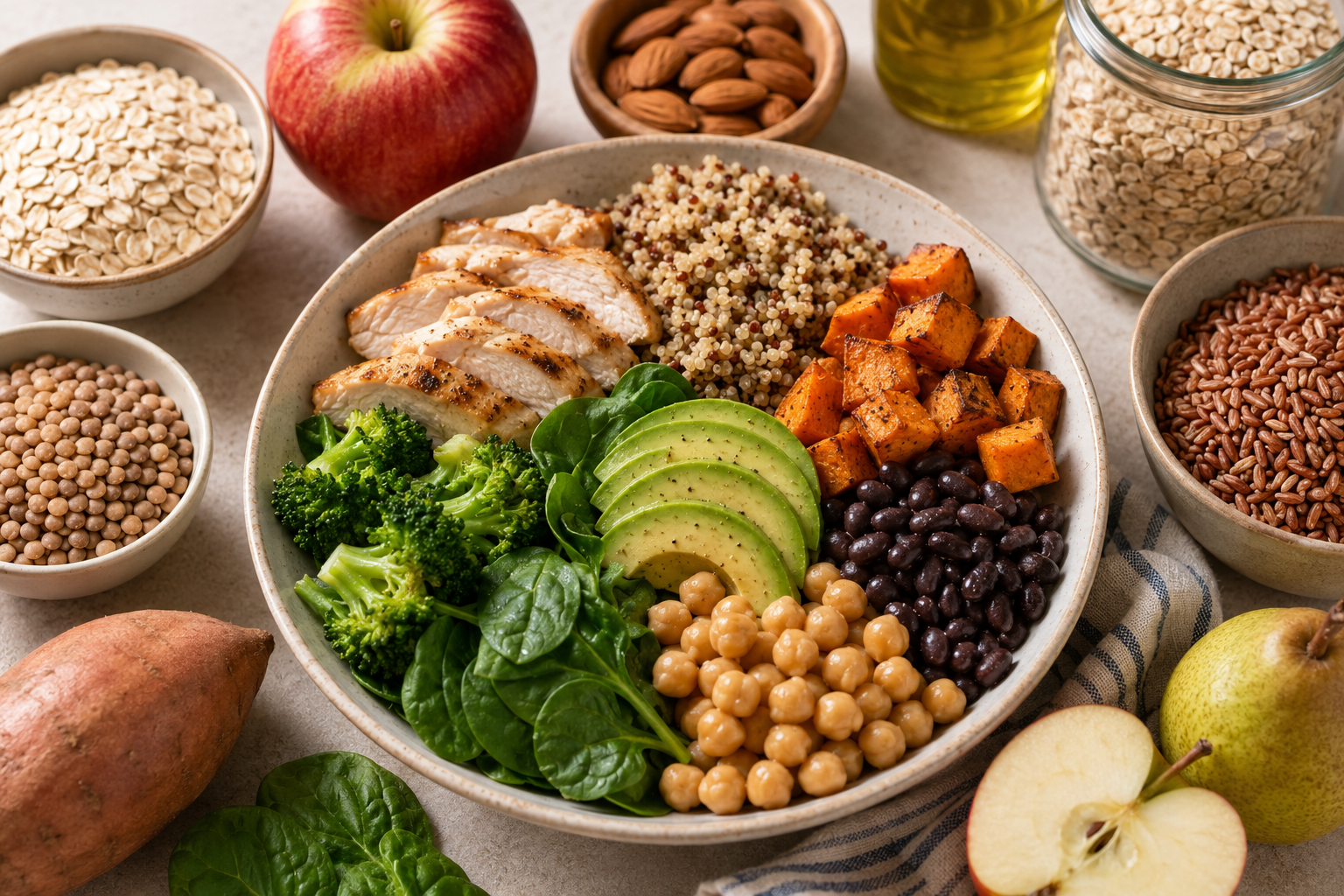
In conclusion, vitamins and minerals are essential nutrients needed for the body’s proper function. They can be obtained from diet or supplements, and it is vital to ensure that you get enough of each nutrient to maintain good health. By eating a balanced diet that includes a variety of foods, you can ensure that you are getting the vitamins and minerals your body needs to function properly.